
Quick Takeaways (13 min read)
- ▸Industry demand for 2027–28 favours fewer parks, longer stays, and conservation-led slow safari design over multi-park sprints
- ▸Plan three or more nights in key areas: day one is orientation, and the trip opens up from day two or three
- ▸Match style to preference: immersion, migration, calving, family pace, photography, beach reset, west, primates, or Lake Natron
- ▸Peak migration camps and gorilla permits often need 10–12 months of lead time for 2027 and 2028 peak months
- ▸Porcupine Tours designs private journeys around depth, local guiding, and support for the School of St. Jude
The African safari most people still picture is a sprint: four parks in five days, a different lodge every night, and a mental checklist of Big Five sightings before the next transfer. That model still sells. For travellers booking 2027 and 2028, it is no longer the model that delivers the richest memories. Industry research across luxury and specialist operators points the same way. Guests want fewer destinations, longer stays, quieter vehicles, and a clearer sense that their journey supports conservation and communities. In short, they want a slow safari: selected places, experienced intensively, without the exhaustion of constant packing.
At Porcupine Tours we have felt that shift for years in conversations with guests from Europe, the United States, and German speaking markets. People arrive tired of rushed travel. They want to understand an elephant herd, not just photograph it once. They want a guide who has time to wait for a lion pride to wake. They want evening light on the same plains they watched at dawn. That philosophy sits close to Tanzania's own pace of life, which we explore in our piece on Swahili time and pole pole. This guide turns that idea into eleven concrete safari styles for 2027 and 2028, each matched to a real preference rather than a generic ranking by price.
Why Slow Safari Matters Now
A slow safari is not a softer trip. It is a more intentional one. Instead of collecting parks, you commit to landscapes. Instead of racing between lodges, you give a camp three, four, or five nights so the rhythm of the bush can settle into your body. Guides repeatedly tell the same truth: the first day is orientation. Only from the second or third day do guests start noticing termite architecture, bird alarm calls, and the social politics inside a herd. That is when safari becomes education rather than a slideshow.
The wider market agrees. Recent Africa travel trend reports describe a move away from high volume multi park circuits toward conservation led itineraries, private or low density areas, and longer stays in fewer places. Luxury is being redefined as privacy, personalization, and purpose. Crowded river crossings still draw cameras. The travellers who return home most restored are usually those who also spent unhurried mornings in quieter sectors, walked with a ranger, or simply watched light change across the same kopje for several evenings.
For Porcupine Tours this is not a marketing fashion. We are a family run company based in Tanzania. Every booking supports the School of St. Jude through a fixed contribution from our income. Guests who travel more slowly tend to spend more time with local guides, ask better questions, and leave with a clearer sense of why wildlife tourism must work for communities as well as visitors. Depth of experience and depth of impact travel together.
Most guests only begin to relax into a camp on day two or three, which is why one night lodge hops rarely deliver the safari people thought they booked.
A slow safari is not a softer trip. It is a more intentional one.
Slow Safari Principles
Matching Style to Preference
There is no single best safari for everyone. There is a best safari for how you travel. First time visitors often want the northern circuit's reliable wildlife and clear geography. Photographers need light, private space, and the patience to return to the same subjects. Families need flexible timing and lodges that forgive early bedtimes. Couples often want adventure followed by ocean recovery. Returning guests may crave western wilderness, primates, or off circuit lakes rather than another crowded crater afternoon.
Use three questions before you fall in love with a brochure map. How many nights can you truly spare after flights? Which season matches the spectacle you care about most? Do you want variety of landscapes, or depth in one ecosystem? If your answer to the last question is depth, resist the urge to add every park "while you are there." A well paced Serengeti stay with a single crater day often outperforms a blur of one night stops.
We also design around honesty. Short itineraries exist for travellers with limited leave. They can be excellent when expectations are clear. They are not the ideal first introduction to Tanzania if you have the option of a week or more. The eleven styles below cover both ends of that spectrum, with slow design as the default recommendation wherever your calendar allows.
Northern Immersion and Classic Circuits
1. The Slow Northern Immersion
This is the style we most want guests to consider for 2027 and 2028. Build your trip around multi night stays in the Serengeti, add Ngorongoro Crater when the caldera day will feel like a climax rather than a stop, and include Tarangire only when elephant country deserves its own daylight hours. The point is not to refuse famous parks. The point is to refuse rushing them. Our Jewels of Tanzania six day circuit is a strong base for first timers who still want a coherent northern story without treating every night as a transfer hotel.
2. Classic First Safari at a Humane Pace
If this is your first African safari, you want confidence: open plains, Big Five possibility, and guides who know how to read a first timer's energy. A private vehicle on a route such as our Classic Big Five and Cats Safari keeps Serengeti and Ngorongoro in focus. Stretch to six or seven days whenever you can. The crater remains one of Africa's densest wildlife arenas; the Serengeti rewards the guest who is not watching the clock for the next lodge check in.
3. Family Safari with Flexible Rhythm
Tanzania suits families because wildlife is often visible without marathon searches, and many northern lodges understand children. The secret is pacing. Private vehicles let you return for lunch, skip a second long drive, or linger when a giraffe family holds everyone's attention. Pair crater reliability with Serengeti space, keep road days honest, and consider a beach extension if younger travellers need a soft landing. Slow safari thinking helps families more than almost any other group: less packing stress, more shared wonder.
4. Photographic and Light Led Safari
Photographers already practise slow travel whether they use the phrase or not. They need window seats, time at a sighting, and the freedom to revisit subjects in different light. A dawn hot air balloon over the plains, followed by patient vehicle work, can define a portfolio. Private guiding matters here more than thread count. Seasonal choices matter too: migration crossings for drama, calving plains for predator intensity, green season for skies and fewer vehicles as we outline in our green season guide.

A private vehicle is the single most effective upgrade for pace, because it lets you linger, rest, and leave when the light or the animals ask you to.
Migration and Calving Journeys
5. Great Migration River Crossings
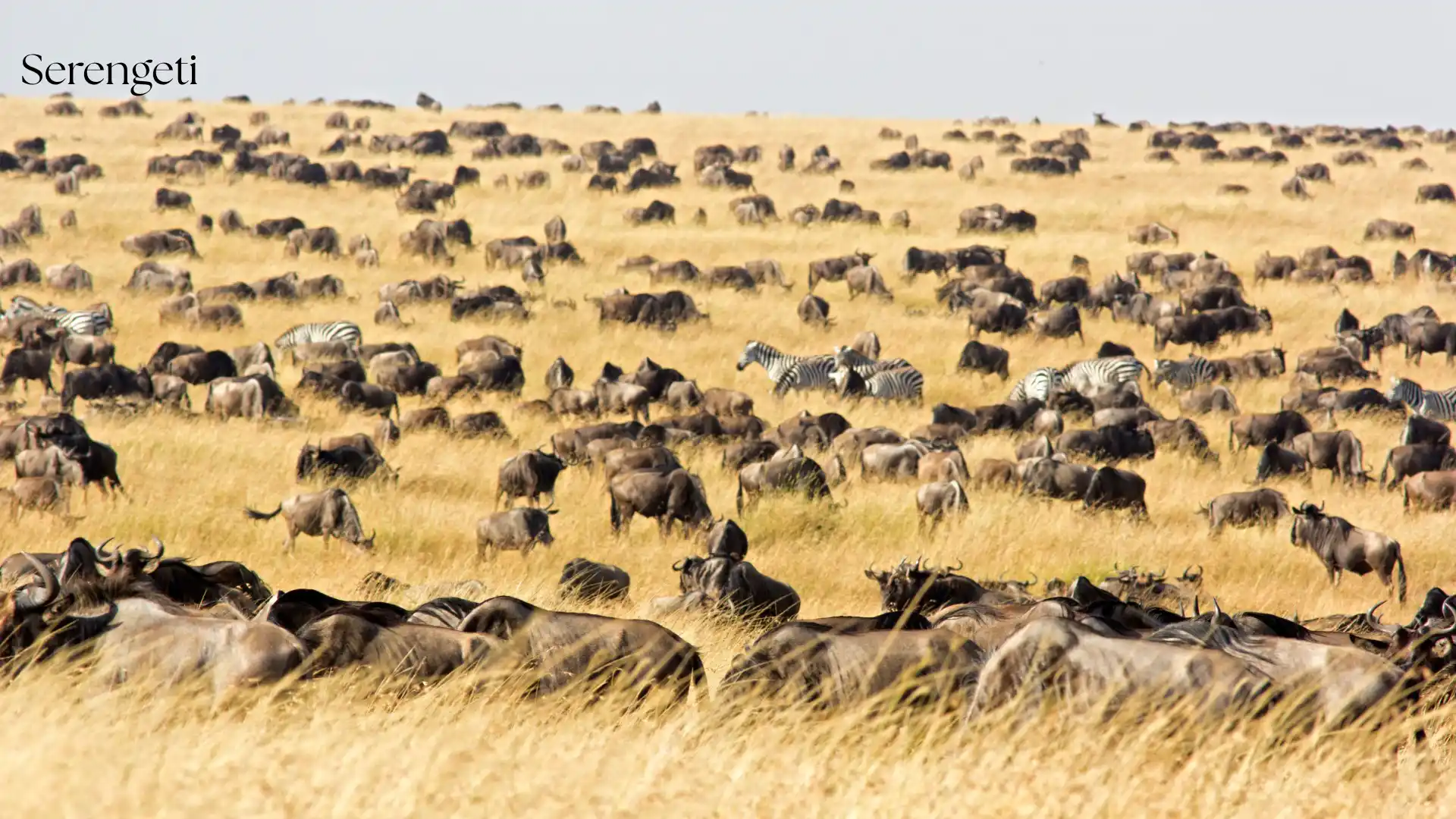
From roughly July through October, northern Serengeti herds mass toward the Mara River and stage crossings that remain among the planet's great wildlife events. The mistake is treating a crossing like a guaranteed appointment. Herds move on grass and water, not on tour operator calendars. You need enough nights in the right sector to wait, watch, and still enjoy big cats and plains life if a crossing happens on a different morning. Our Following the Wildebeest Migration itinerary and longer migration combinations are built around that patience. For deeper context, read our Great Migration guide.
6. Calving Season on the Southern Plains
From late January into March, the southern Serengeti and Ndutu plains become a nursery and a hunting ground. Hundreds of thousands of calves arrive in a short window, and predators follow with focused intensity. This is one of the finest seasons for guests who care about behaviour rather than a single iconic river leap. Our 7 Day Calving Migration Safari gives Ndutu and Serengeti room to breathe, with Ngorongoro as a powerful closing chapter. Details of the season sit in our Ndutu calving article.
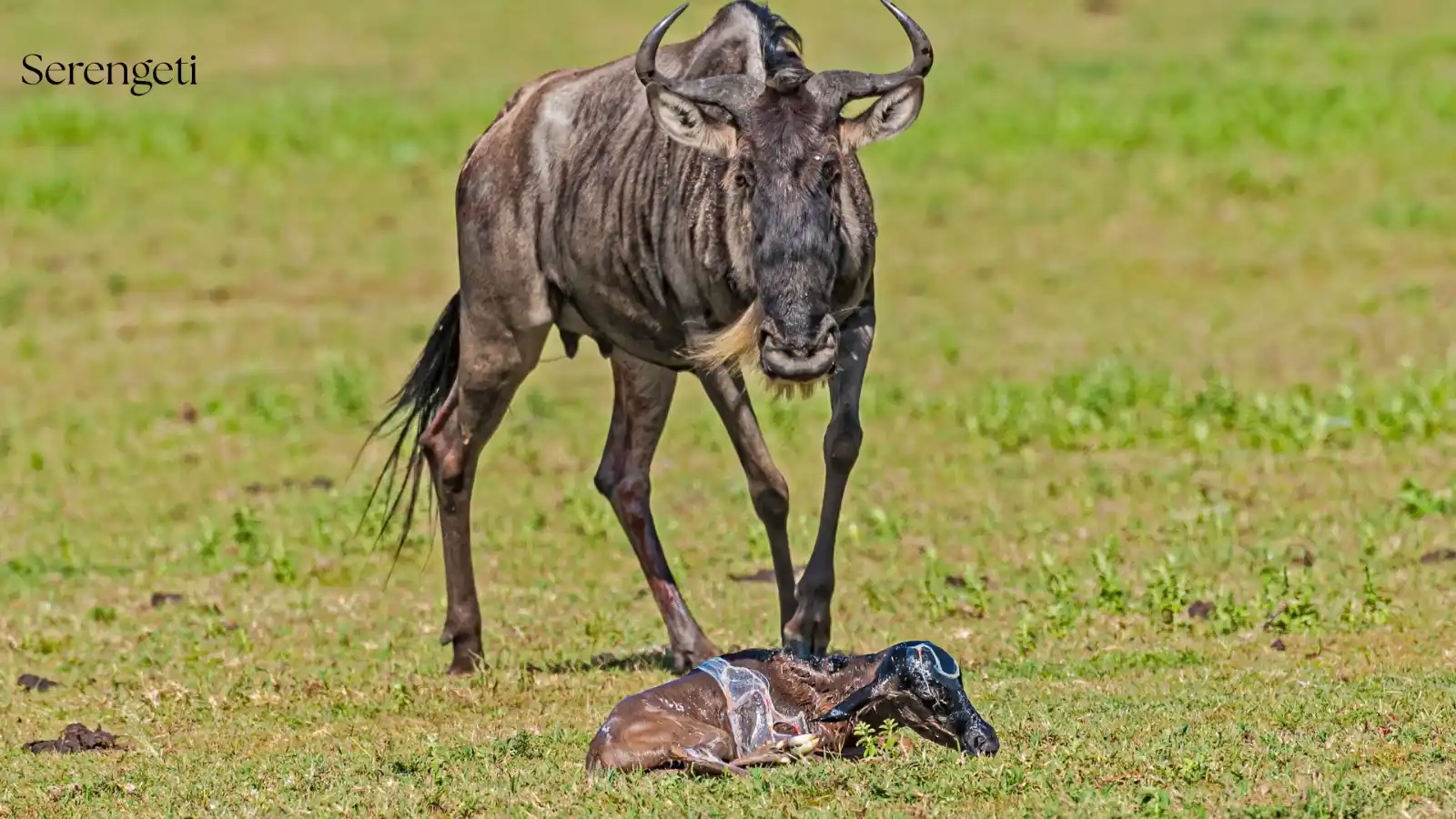
Herds move on grass and water, not on tour operator calendars.
Migration Windows to Remember
Wilderness Beach and Primates
7. Safari and Zanzibar Reset
After early mornings and dusty tracks, the Indian Ocean is not an afterthought. It is part of the emotional design of the trip. Several nights on Zanzibar let the nervous system catch up with what the eyes have seen. Stone Town, spice farms, and quiet beach days create a second Tanzania that couples and milestone travellers often remember as clearly as the lions. Our 11 Day Safari with Zanzibar and Migration and Zanzibar combinations are built for that arc. More planning notes live in our safari and Zanzibar guide.
8. Western Tanzania Wilderness
For travellers who have done the northern postcard, or who already know they prefer remoteness, the west offers a different country: chimpanzee forest on the shores of Lake Tanganyika, dry season drama in Katavi, and a sense of expedition that the main circuit cannot fake. Our 10 Day Western Tanzania Expedition centres on Mahale and the lake wilderness we celebrate in our Lake Tanganyika article. This is slow travel by geography as much as by philosophy. Flights replace long road days. Camps are intimate. Wildlife encounters feel earned.
9. Intimate Bush Immersion and Fly Camping
Sometimes the most memorable nights are the simplest: canvas, stars, and the soundtrack of a reserve after engines stop. Fly camping and walking focused days suit guests who want sensory closeness more than lodge amenities. Our 3 Day Fly Camping Safari in Tarangire works as a concentrated immersion or as an extension beside a longer northern itinerary. It is an ideal illustration of slow safari values: one landscape, multiple ways of moving through it, and time to feel small in the right way.
10. Uganda Gorilla and Chimpanzee Extension
East Africa's primate chapter belongs in any serious 2027 or 2028 shortlist for travellers who want rarity and purpose. Tracking mountain gorillas in Bwindi and chimpanzees in Kibale is physically demanding and emotionally precise. Permits are limited. Guides set a respectful distance. Our 6 Day Gorilla and Chimpanzee Adventure pairs forest trekking with the kind of focus that checklist tourism cannot dilute. Many guests combine a Tanzania plains safari with a Uganda primate coda when time and budget allow.
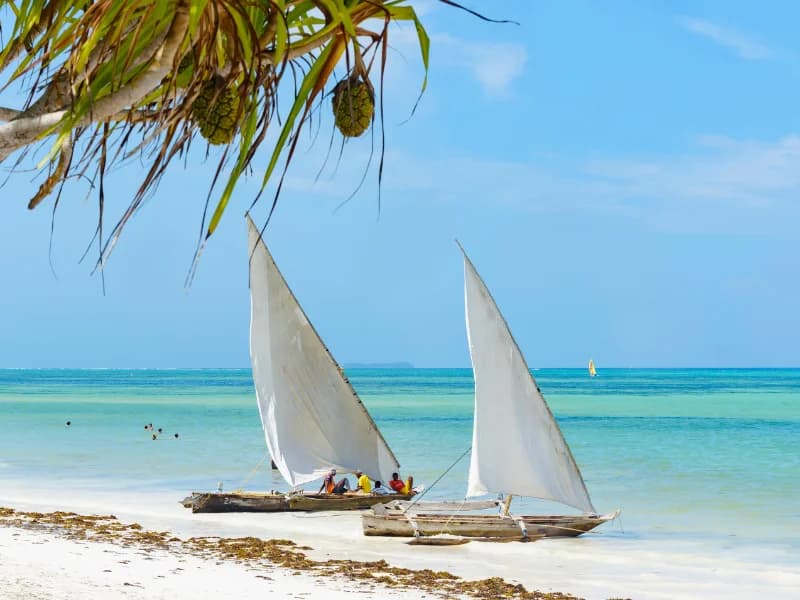
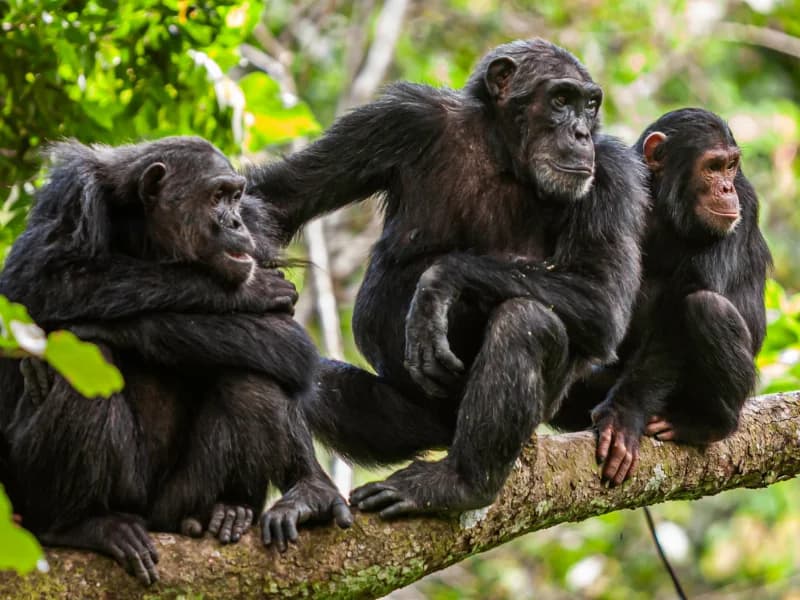
Western Tanzania and primate forests reward travellers who already know the northern circuit, or who prefer solitude over famous park density from the start.
Lake Natron and the Quiet North
11. Lake Natron, Northern Migration, and Crater Country
Lake Natron is the itinerary we add when guests want the north without only repeating the same highway lodges. The soda lake sits in a stark Rift Valley landscape of flamingos, Ol Doinyo Lengai, and Maasai country that feels far from the Serengeti's busiest junctions. Pairing Lake Natron with northern Serengeti migration positioning and a Ngorongoro finale creates a journey with contrast: mineral red shores, river crossing country, and the green bowl of the crater. Our 9 Day Lake Natron, Northern Serengeti Migration and Ngorongoro Safari is designed exactly for that mix. It suits photographers, return visitors, and anyone who wants migration drama without a purely conventional route.
This eleventh style also answers a quiet anxiety many thoughtful travellers share. They want the Great Migration, but they do not want every day of their holiday to feel like peak season traffic. Natron days slow the pulse. Northern Serengeti nights put you where the herds may cross. Ngorongoro closes with concentrated wildlife that still astonishes even jaded safari goers. Done with enough nights in each place, it is a slow safari wearing spectacular clothes.
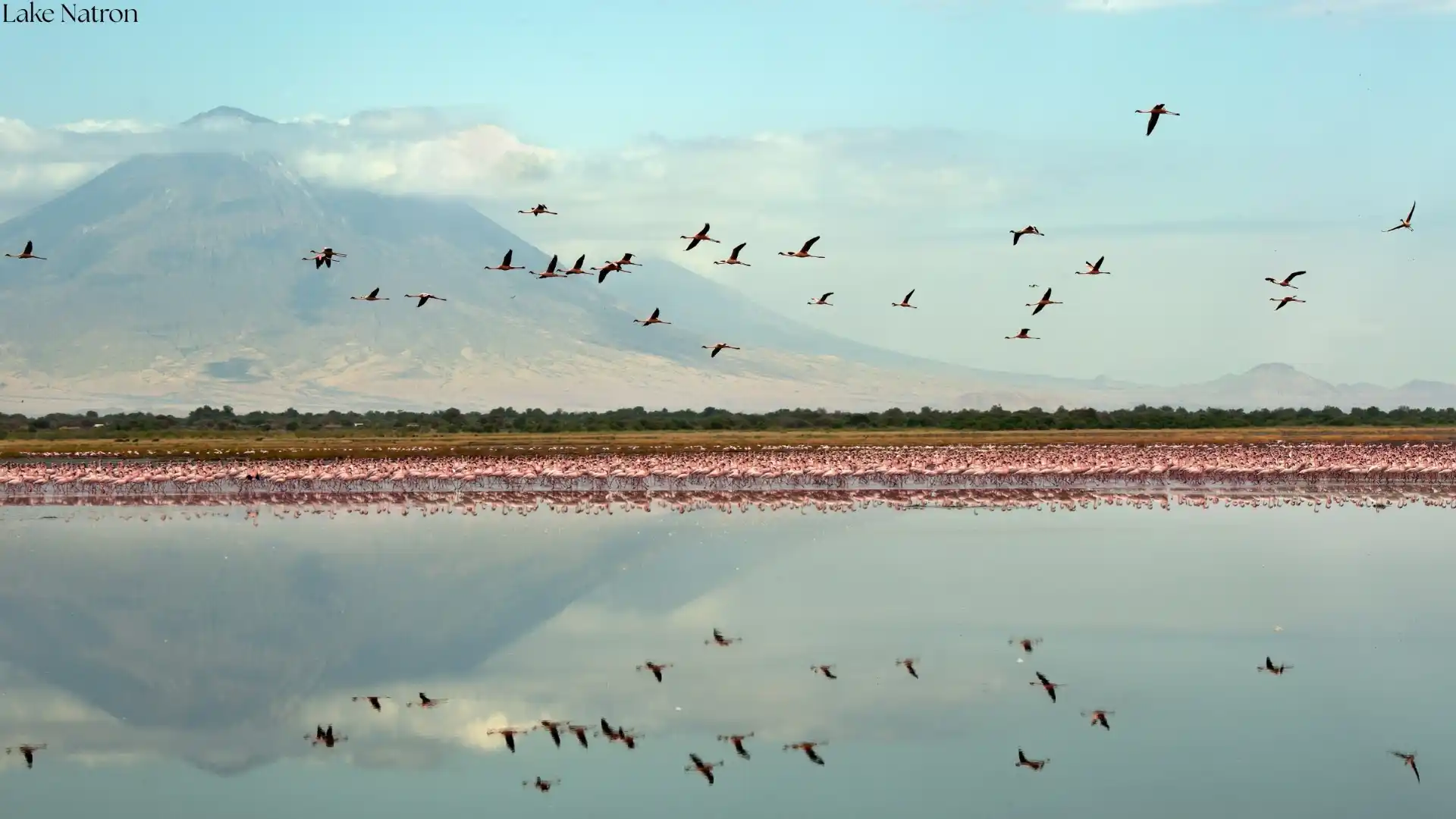
Lake Natron slows the pulse before northern Serengeti nights put you where the herds may cross.
Who Should Consider Lake Natron
Booking Your 2027 or 2028 Safari
Peak migration camps and the best family rooms book early, often ten to twelve months ahead for July through October. Calving season lodges around Ndutu also fill for February and March. If you want private vehicles, specific balloon dates, or gorilla permits, treat planning as part of the holiday, not an afterthought. Shoulder months can deliver outstanding wildlife with fewer vehicles and a more natural slow pace, especially for guests who prioritise immersion over a single famous spectacle.
When you contact us, tell us your non negotiables first: season, trip length, who is travelling, and whether you care more about migration drama, quiet wilderness, beach recovery, or primates. We will not pretend a five day dash through four parks is the same experience as a nine day immersion. We will show you which of these eleven styles fits your dates, then adjust nights, camps, and flying sectors until the itinerary feels spacious rather than stuffed.
For 2027 and 2028, book migration and permit heavy trips a year ahead, then protect your pace by refusing unnecessary one night lodge hops.
The best safari of the next two years will not be the one that ticks the most parks. It will be the one that gives selected places enough time to change you.
Porcupine Tours plans private journeys across Tanzania and selected East African extensions. Browse our full set of safari itineraries, explore destination pages for the Serengeti, Ngorongoro, and Zanzibar, or contact us with your preferred months for 2027 or 2028. We will help you choose depth over distance. It will be the one that gives selected places enough time to change you.
Written by Porcupine Tours — Your local Tanzania safari experts
Get in touch to plan your safari
