Serengeti National Park Safari
Tanzania's Premier Wildlife Destination
A Serengeti safari is Tanzania's most iconic wildlife experience. A Serengeti safari is Africa's most iconic wildlife experience — and for good reason. Spanning 14,750 square kilometres of pristine savanna, the Serengeti National Park hosts the Great Migration, where over two million wildebeest, zebras, and gazelles thunder across endless plains in one of nature's most breathtaking spectacles. The Serengeti — meaning 'endless plains' in the Maasai language — is Tanzania's oldest national park and a UNESCO World Heritage Site, established in 1952 to protect one of Earth's most extraordinary ecosystems. Beyond the migration, the Serengeti is home to Africa's densest lion population, with over 3,000 individuals roaming the plains, alongside leopards draped over acacia branches, cheetahs sprinting across open grasslands, and massive herds of elephants and buffalo. Whether you visit during the dramatic calving season in the southern plains (December–March), the Grumeti River crossings of the western corridor (June–July), or the legendary Mara River crossings in the north (August–October), a Serengeti safari delivers unforgettable wildlife encounters at every season of the year.
Why Choose a Serengeti National Park Safari?
There are places in the world that change you — and the Serengeti is one of them. Standing on the open plains as a thousand wildebeest thunder past, dust rising into the golden African light, you understand immediately why this landscape has captivated explorers, scientists, and dreamers for generations. The Serengeti ecosystem stretches across 30,000 square kilometres of interconnected wilderness — from the park itself into the Ngorongoro Conservation Area to the south and Kenya's Maasai Mara to the north — creating one of the largest and most intact wildlife refuges on Earth.
The park's fame rests on two extraordinary wildlife phenomena. The first is the Great Wildebeest Migration, rightfully called one of the Seven Natural Wonders of Africa. Each year, an estimated 1.5 to 2 million wildebeest, joined by 200,000 zebras and 300,000 Thomson's gazelles, follow ancient instincts across the ecosystem in a relentless search for fresh grass and water. This circular journey takes them through the calving grounds of the southern Serengeti in January, north through the central plains in April, into the western corridor by June, and finally to the dramatic Mara River crossings of the north by August — where they must brave lurking crocodiles to continue their journey.
The second extraordinary phenomenon is the Serengeti's predator density. Africa's Big Cat Capital earns its title with good reason: no other place on Earth offers as reliable a chance to witness lions, leopards, and cheetahs in a single safari. The Seronera Valley — the park's central nervous system — concentrates wildlife around permanent water sources year-round, making it the beating heart of Serengeti game viewing.
Beyond the headline species, the Serengeti rewards those who look closely. Five hundred species of birds fill the sky — from lilac-breasted rollers perched on bare branches to martial eagles soaring overhead. Bat-eared foxes emerge at dusk. Honey badgers move fearlessly through the grass. The detail and abundance of this ecosystem is humbling.
Porcupine Tours has guided families, photographers, and wildlife enthusiasts through every corner of the Serengeti for years. Our Tanzanian guides know not just where the animals are — they understand their behaviour, their stories, and the subtle seasonal shifts that determine where the best action unfolds. We work exclusively with intimate, owner-run camps that position you directly in the wildlife action, whether that means falling asleep to lion roars in the northern Mara region or watching the sunrise over the southern plains during calving season. A Serengeti safari with us is not a tour — it's an immersive encounter with the natural world at its most raw and magnificent.
Serengeti National Park Safari Highlights
Regions to Explore
Central Serengeti (Seronera)
The Seronera Valley is the year-round heartbeat of Serengeti game viewing — and arguably the best place in Africa to see leopards. Permanent water flows through the valley even in the dry season, drawing wildlife from across the plains and concentrating predator activity along the riverine vegetation. Leopards are almost routine here: look up into any spreading acacia tree and you may find one draped languidly over a branch, surveying its territory with cool indifference. Lions are equally abundant, with multiple resident prides that have been studied and documented by researchers for decades.
The central Serengeti is easily reached by road from Arusha and hosts the park's main infrastructure — Seronera airstrip receives daily flights from Arusha and Kilimanjaro, and the network of game drive roads is extensive. Mobile camps, permanent lodges, and public campsites all cluster in this region, making it the most accessible part of the park. The open grassland plains stretching south of Seronera transform into the wildebeest calving grounds in December–March, while in the dry season enormous herds graze here before continuing their northward journey. For first-time Serengeti visitors, the central region is the ideal base: diverse habitats, reliable predator sightings, and the full spectrum of safari accommodation from luxury lodge to authentic tented camp.
Northern Serengeti (Kogatende)
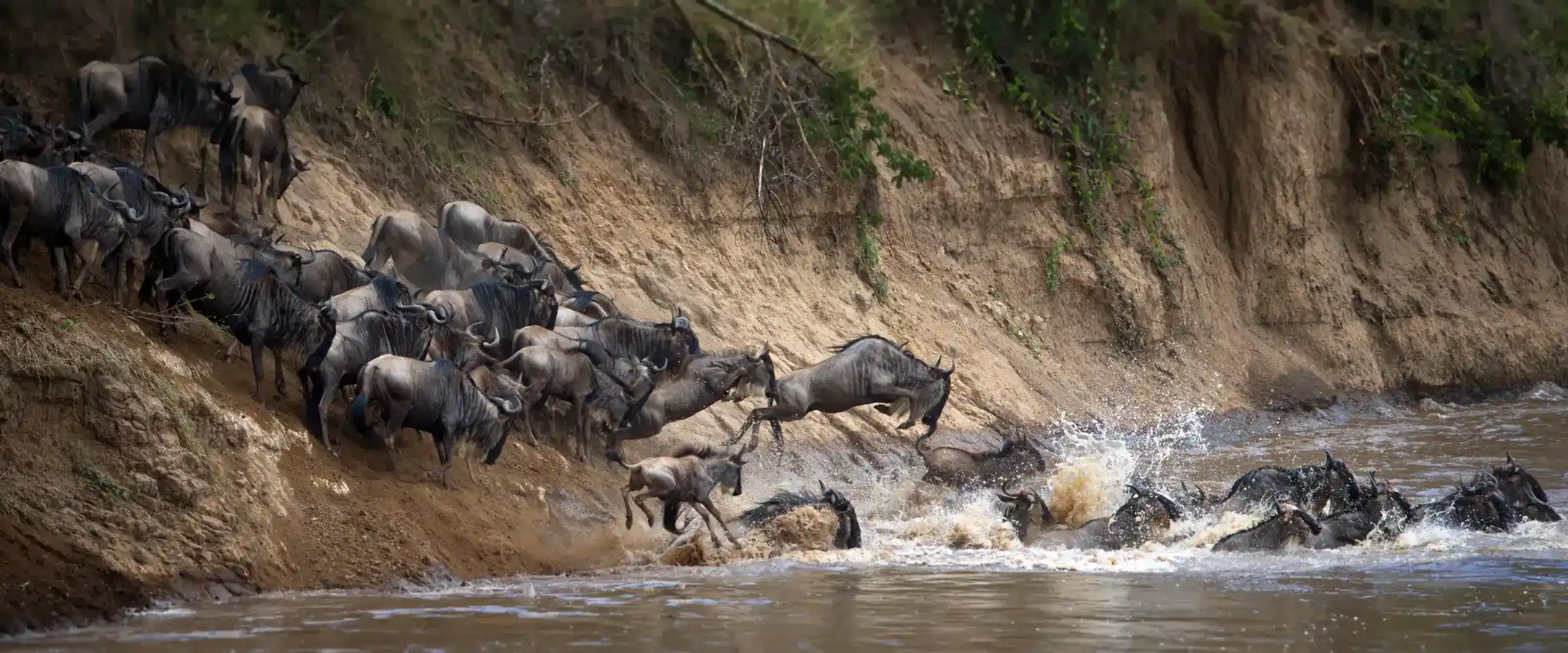
Remote, raw, and riveting — the northern Serengeti around Kogatende and the Lamai Wedge is where the Serengeti safari experience reaches its dramatic peak. From July to October, the Great Migration arrives in force at the Mara River, and the scenes that unfold are unlike anything else in the natural world. Thousands of wildebeest gather at the banks, working up the collective courage to plunge into the crocodile-filled waters — then, in an explosive moment of instinct, they leap. The chaos of churning water, snapping crocodiles, and panic-stricken animals is visceral, primal, and utterly unforgettable.
The northern Serengeti shares an unfenced border with Kenya's Maasai Mara, and wildlife flows freely between the two ecosystems, creating a mega-reserve of extraordinary richness. Lion prides here are large and nomadic, following the migration feast. Elephants, topi, and eland roam the rolling hills. Because the northern region is more remote — typically accessed via small aircraft from Arusha or a full-day drive — visitor numbers are far lower, and the wilderness experience is more exclusive. Luxury tented camps in the north offer fly-camping, bush walks, and private conservancy areas where night drives are permitted, taking the Serengeti safari experience to another level entirely.
Western Corridor (Grumeti)
The Western Corridor of the Serengeti is the park's least-visited and most rewarding secret. Stretching west towards Lake Victoria, this long arm of the park is traversed by the Great Migration from May to July as the wildebeest push westward in search of long grass. The Grumeti River — the region's defining feature — hosts some of East Africa's largest Nile crocodiles, ancient and massive, lurking beneath the surface in anticipation of the crossing. Unlike the Mara River crossings in the north, the Grumeti crossings tend to be smaller in scale but no less dramatic, featuring intense predation in extremely confined river sections.
The western corridor is also superb for resident wildlife year-round: massive elephant herds congregate at the Grumeti River, while topi, impala, and waterbuck graze the open plains. Colobus monkeys crash through the riverine forest canopy — an unusual sight in the Serengeti. Birding here is exceptional, with African fish eagle, malachite kingfisher, and green-backed heron along the river. The relative lack of tourist traffic creates a genuine sense of wilderness, with game drives often uninterrupted by other vehicles. This is the Serengeti for those who seek solitude — a region that rewards patience spectacularly.
Southern Serengeti (Ndutu)
Every year between December and March, the southern Serengeti undergoes a transformation that wildlife photographers travel across the globe to witness: calving season. Over 500,000 wildebeest calves are born here in just two to three months — a population explosion so fast it temporarily overwhelms even the Serengeti's enormous predator population. Calves can stand within minutes of birth and run within hours — an evolutionary adaptation to relentless predator pressure. The resulting drama is extraordinary: cheetah mothers teaching cubs to hunt, lion prides feasting daily, spotted hyenas cackling through the night.
The southern Serengeti merges into the Ndutu area of the Ngorongoro Conservation Area, expanding the landscape into an immense open plain of short-grass savanna — ideal cheetah territory. These open plains concentrate wildebeest and zebra in massive aggregations of hundreds of thousands, creating a spectacle that rivals the migration crossings in sheer scale. The region around Lake Ndutu and Lake Masek provides permanent water, attracting flamingos, pelicans, and diverse waterbirds alongside the savanna species. Short-grass plains allow near-ground-level viewing — exceptional for photography. The southern Serengeti is typically combined with a Ngorongoro Crater descent, creating one of Tanzania's great classic safari circuits.
Migration Routes
Follow the Great Migration through the Serengeti ecosystem
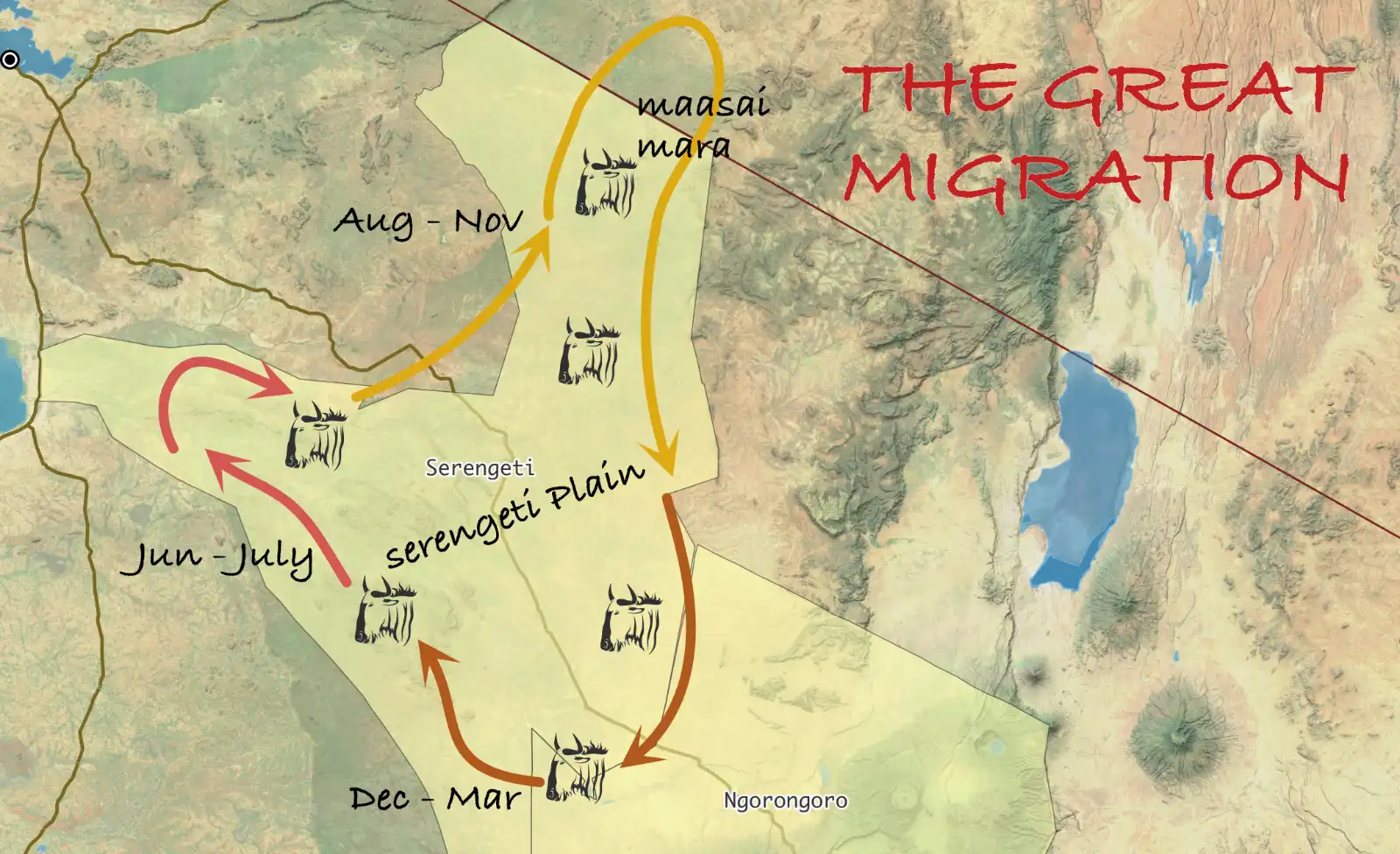
Great Migration Calendar
January-March
Calving season transforms the short-grass southern plains around Ndutu. Over 500,000 wildebeest calves are born in just 2–3 months — more than 8,000 per day at peak. This extraordinary birth rate temporarily overwhelms predators, but simultaneously provides a constant feast for lions, cheetahs, leopards, and hyenas. Predator action is ferocious and relentless. The open short-grass plains allow exceptional visibility and photographer-friendly lighting at golden hour, making this arguably the finest season for Serengeti wildlife photography.
April-May
The long rains arrive across the Serengeti, bringing lush green landscapes and dispersing herds widely across the central plains. While animals are more spread out and some tracks become muddy, this is low season with fewer tourists and significantly discounted rates. The green season has its own magic: multiple newborn species, spectacular wildflower blooms, and extraordinary birding as migratory species arrive. Predators continue hunting actively but are harder to track in the long grass. Fly-in camps make this season logistically straightforward and rewarding.
June-July
The western corridor comes alive as the migration pushes towards the Grumeti River. Dry season begins, grass shortens dramatically, and wildlife concentrates around water sources — improving game viewing across the entire park. The Grumeti River crossings pit wildebeest against Africa's largest Nile crocodiles in explosive encounters. Central Seronera reaches peak form with exceptional big cat sightings as lions become more active in the cooler temperatures. This is high safari season: excellent road conditions, clear skies, and outstanding wildlife viewing across every region.
August-October
The climax of the Great Migration unfolds in the northern Serengeti as over a million animals converge on the Mara River. Crossings happen repeatedly — sometimes multiple times a day — as wildebeest mass on the banks before plunging into crocodile-filled waters below. This is the Serengeti's most dramatic period, drawing visitors from around the world to Kogatende and the Lamai Wedge. Resident wildlife peaks: lion prides are large and well-fed, elephant herds graze the rolling hills, and leopard sightings complement the migration spectacle perfectly.
November-December
The short rains (November) briefly green up the Serengeti as the migration begins its return journey south. This transitional period offers some of the park's most diverse viewing: wildebeest moving in long columns across the central and southern plains, predators following in their wake, and the landscape transforming from brown to brilliant green almost overnight. By December the herds reach the southern plains and calving season begins anew, completing the annual cycle. Short rains are generally brief and rarely disrupt game drives, keeping this an excellent period for safaris.
Activities & Experiences
Did You Know?
Size: 14,750 km² (5,700 square miles) — larger than the state of Connecticut
Established: 1952 as Tanzania's first and oldest national park
UNESCO World Heritage Site since 1981 and UNESCO Biosphere Reserve
Home to over 3,000 lions — Africa's highest lion density on the continent
More than 500 bird species recorded, including 34 raptor species
Annual migration: 1.5–2 million wildebeest, 200,000 zebras, 300,000 Thomson's gazelles
The name 'Serengeti' derives from the Maasai word 'siringet' meaning 'endless plains'
Part of the 30,000 km² Serengeti-Mara ecosystem shared with Kenya's Maasai Mara
Approximately 4,500 leopards — the highest density of leopards in East Africa
Over 500,000 wildebeest calves born in the southern Serengeti each January–March
The Serengeti has been continuously inhabited by Maasai pastoralists for centuries
Cheetah sprints recorded at up to 120 km/h — the fastest land animal on Earth
Planning Your Visit
Recommended Stay
Minimum 3 days; ideal 4–5 days to explore multiple regions. Allow 10–14 days to combine with Ngorongoro Crater, Tarangire, and a Zanzibar beach extension.
Getting There
Fly-in: daily scheduled flights from Arusha (1 hour) or Kilimanjaro (1.5 hours) to Seronera, Kogatende, or Grumeti airstrips via Coastal Aviation and Auric Air. Drive: 6–8 hours from Arusha via the Ngorongoro Crater rim — a scenic route we often incorporate as part of a longer itinerary.
Accommodation Options
Luxury: Four Seasons Safari Lodge Serengeti, Singita Grumeti, Nomad Serengeti. Mid-range: Serengeti Serena Safari Lodge, Kubu Kubu Tented Lodge. Budget: Kati Kati Tented Camp, Seronera Wildlife Lodge. Mobile camps positioned along the migration route offer the most authentic immersive experience.
Important to Know
Park conservation fee: $60 USD per person per day, payable by card at the gate. No off-road driving except in designated areas. Night drives are not permitted inside the national park — only in adjacent private concession areas. 24-hour park entry is available.
Best Time to Visit
Year-round (Peak: June-October for migration river crossings, December-March for calving season)
Wildlife
All Big Five including black rhino, plus cheetahs, wild dogs, wildebeest, zebras, giraffes, hippos, crocodiles, and 500+ bird species
Serengeti National Park Safari FAQs
How much does a Serengeti safari cost?
Serengeti safari packages with Porcupine Tours typically range from $450–900 per person per day, depending on accommodation style (tented camp to luxury lodge), season, and group size. A 4-day Serengeti safari combined with Ngorongoro Crater averages $3,000–5,500 per person all-inclusive. Peak months (July–October, December–March) command premium rates due to migration demand. Green season (April–May) offers discounts of 20–40% with equally excellent wildlife. As a family-run operator booking direct, we eliminate agency markups — what you pay goes towards your safari experience, not commission fees.
When is the best time to visit the Serengeti?
The best time for a Serengeti safari depends on what you want to witness. June–October is peak dry season: excellent road conditions, wildlife concentrated at water sources, and the spectacular Mara River crossings in the north (July–October). December–March brings the calving season in the southern Serengeti — possibly the most intense wildlife event on Earth — with fierce predator action and tens of thousands of newborn wildebeest. April–May offers lush green landscapes, minimal crowds, and discounted rates. The Serengeti rewards visitors in every month — the question is which experience speaks to you most.
How many days do you need for a Serengeti safari?
We recommend a minimum of 4 days for a Serengeti safari — enough time to explore the central Seronera area and one additional region (north or south) without feeling rushed. A 5–6 day safari allows you to follow the migration or position yourself in the optimal zone for the season. Most guests combine the Serengeti with Ngorongoro Crater, Tarangire, and a Zanzibar beach extension, building a 10–14 day Tanzania itinerary covering multiple ecosystems. Porcupine Tours designs fully custom itineraries based on your travel dates and priorities.
What is the Great Migration and when does it happen?
The Great Migration is the annual movement of over 1.5 million wildebeest, 200,000 zebras, and 300,000 Thomson's gazelles across the Serengeti-Mara ecosystem — a circular journey of roughly 3,000 kilometres following rainfall and fresh grass. The spectacle unfolds year-round: calving season (January–March, southern Serengeti), the Grumeti River crossings (June–July, western corridor), and the famous Mara River crossings (August–October, northern Serengeti). The migration has no clear start or finish — it is a continuous cycle driven by ancient instinct and ecological rhythm.
Can you see the Big Five in the Serengeti?
Yes — the Serengeti is one of Africa's best destinations for Big Five sightings. Lions are spotted on almost every game drive, particularly in the Seronera Valley where multiple resident prides hold territories. Leopards are regularly seen in acacia trees along the Seronera River — the central Serengeti may be Africa's most reliable location for leopard sightings. Elephants are abundant throughout the park, especially at water sources. Cape buffalo graze in large herds across the open plains. Black rhino, while rare, are present in the southern reaches of the park near the Ngorongoro boundary. Many guests complete the Big Five in a single Serengeti day.
How do I get to Serengeti National Park?
Most visitors fly into the Serengeti via small aircraft from Arusha or Kilimanjaro International Airport. Daily scheduled flights by Coastal Aviation and Auric Air serve Seronera airstrip (central Serengeti) in approximately 1 hour from Arusha. Kogatende and Grumeti airstrips serve the northern and western regions respectively. Alternatively, the scenic road journey from Arusha takes 6–8 hours, passing through Ngorongoro Conservation Area — a route Porcupine Tours often incorporates as part of a longer safari itinerary. We arrange all transfers from your arrival airport for a seamless journey.
Serengeti National Park Safari Tours & Packages
Explore our carefully crafted itineraries featuring Serengeti National Park
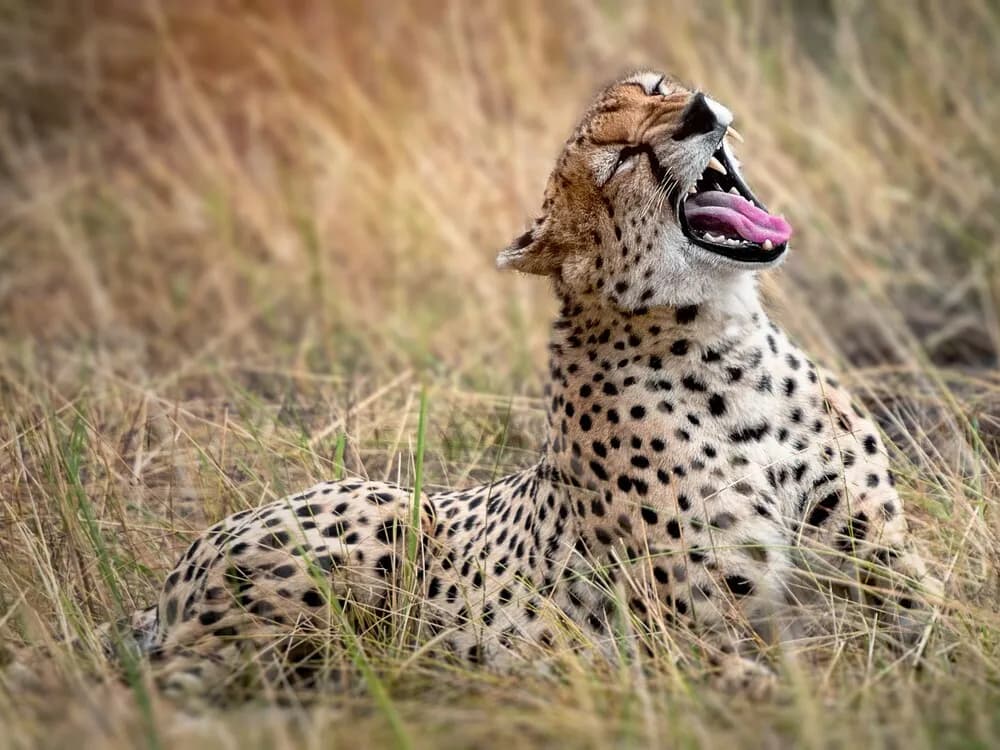
11-Day Safari & Zanzibar
Experience the ultimate Tanzania adventure combining world-class wildlife safaris with pristine tropical beaches. Explore Tarangire, Serengeti, and Ngorongoro Crater, then relax on Zanzibar's stunning beaches.
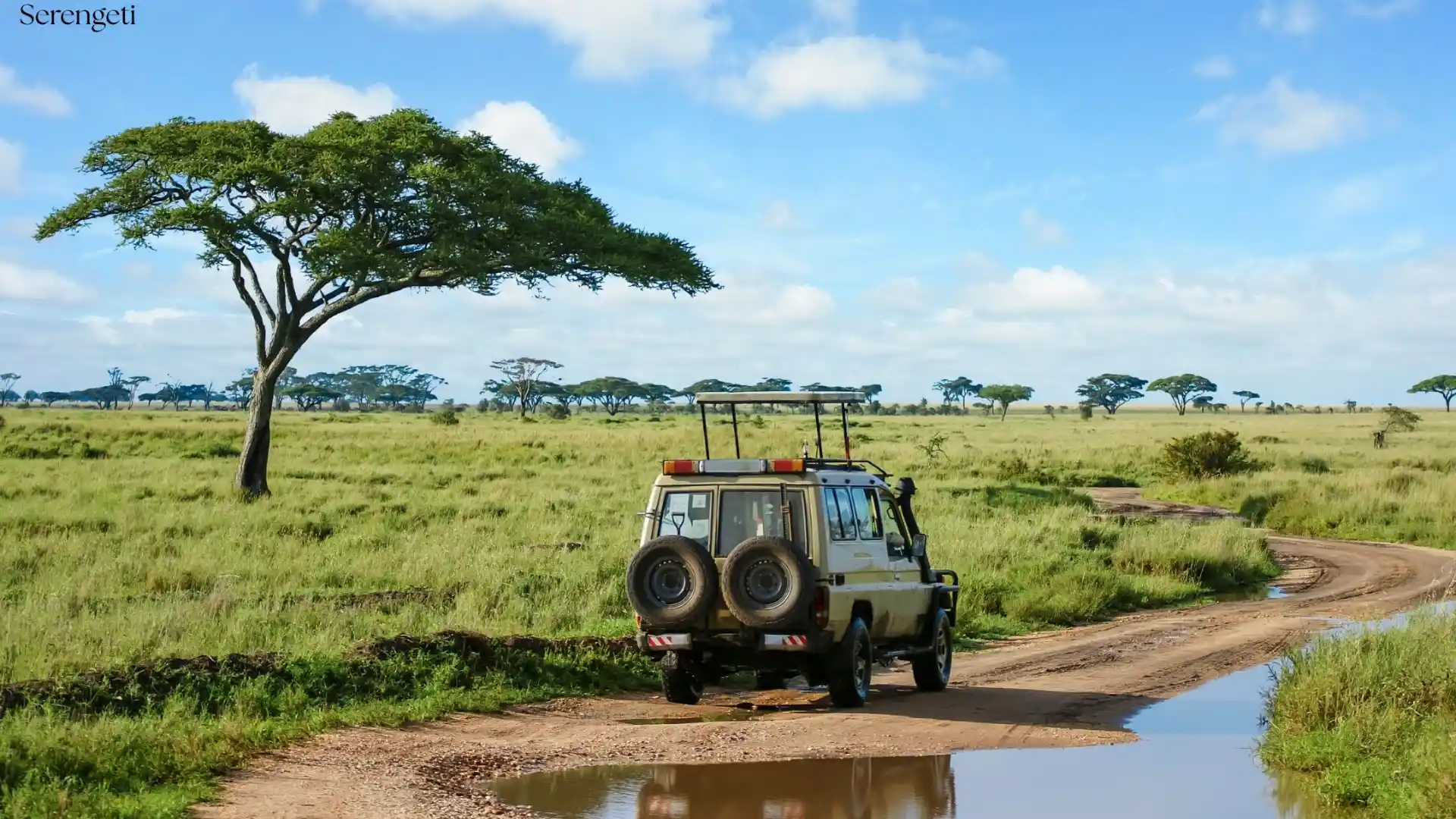
4-Day Bush Safari
Experience Tanzania's most iconic wildlife destinations in just 4 days. Explore the endless Serengeti plains, witness the Great Migration, and descend into the spectacular Ngorongoro Crater.

5-Day Northern Circuit
Private 5-day Tanzania safari covering all four iconic parks: Tarangire, Lake Manyara, Central Serengeti and Ngorongoro Crater. Full board, expert guide, from $1,850.
5-Day Big Five & Cats
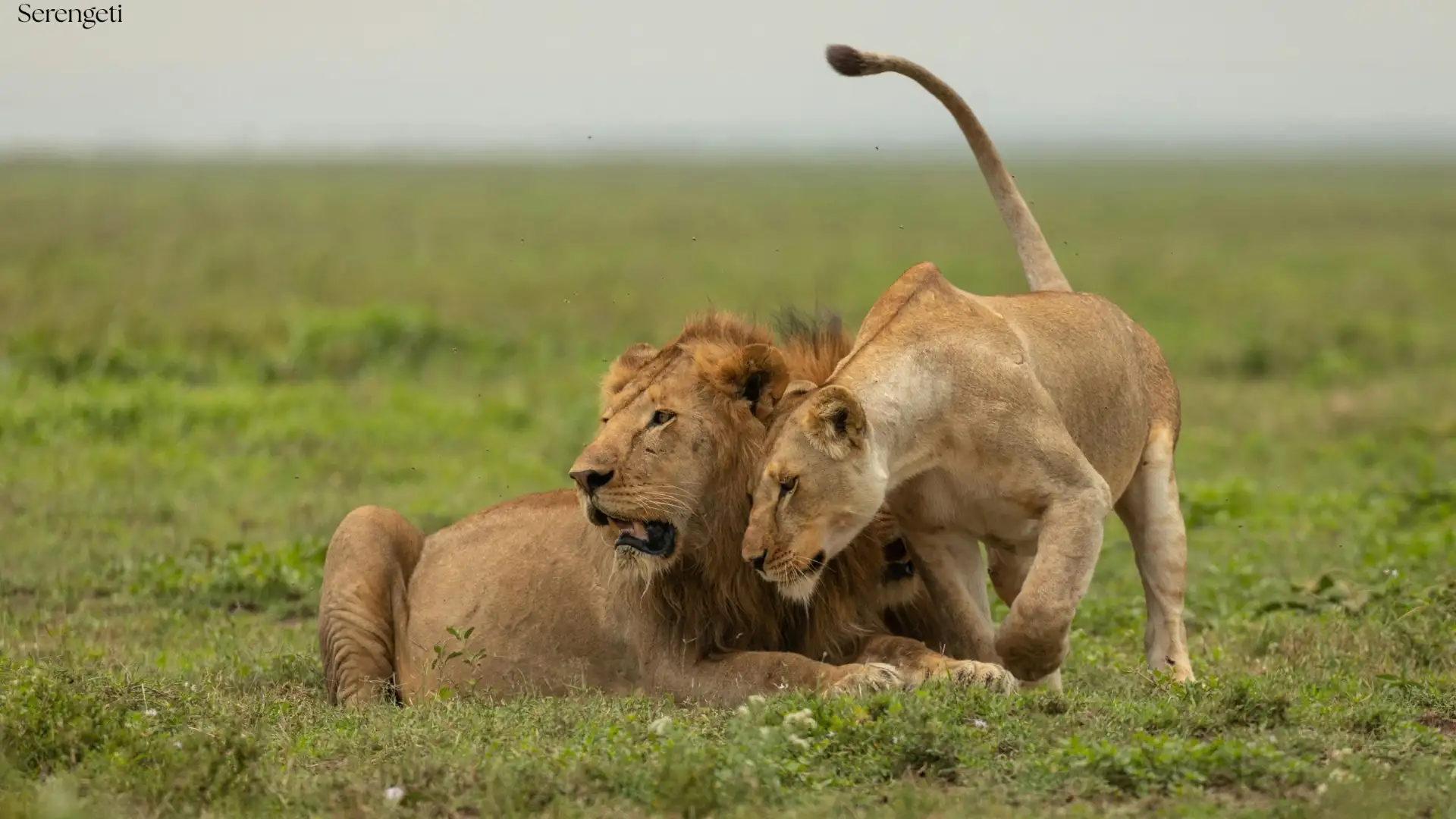
Private 5-day Tanzania safari to Central Serengeti and Ngorongoro Crater. Big Five, big cats, your own 4x4 and guide, mid-range camps from USD $2,100.
5-Day Migration Safari
Follow the Great Wildebeest Migration through Northern and Central Serengeti, Ngorongoro Crater, and Tarangire on a private 5-day safari from USD $2,744.
Explore More Tanzania Safari Destinations
Combine Serengeti National Park with these incredible wildlife areas
Ngorongoro Crater
Northern Tanzania
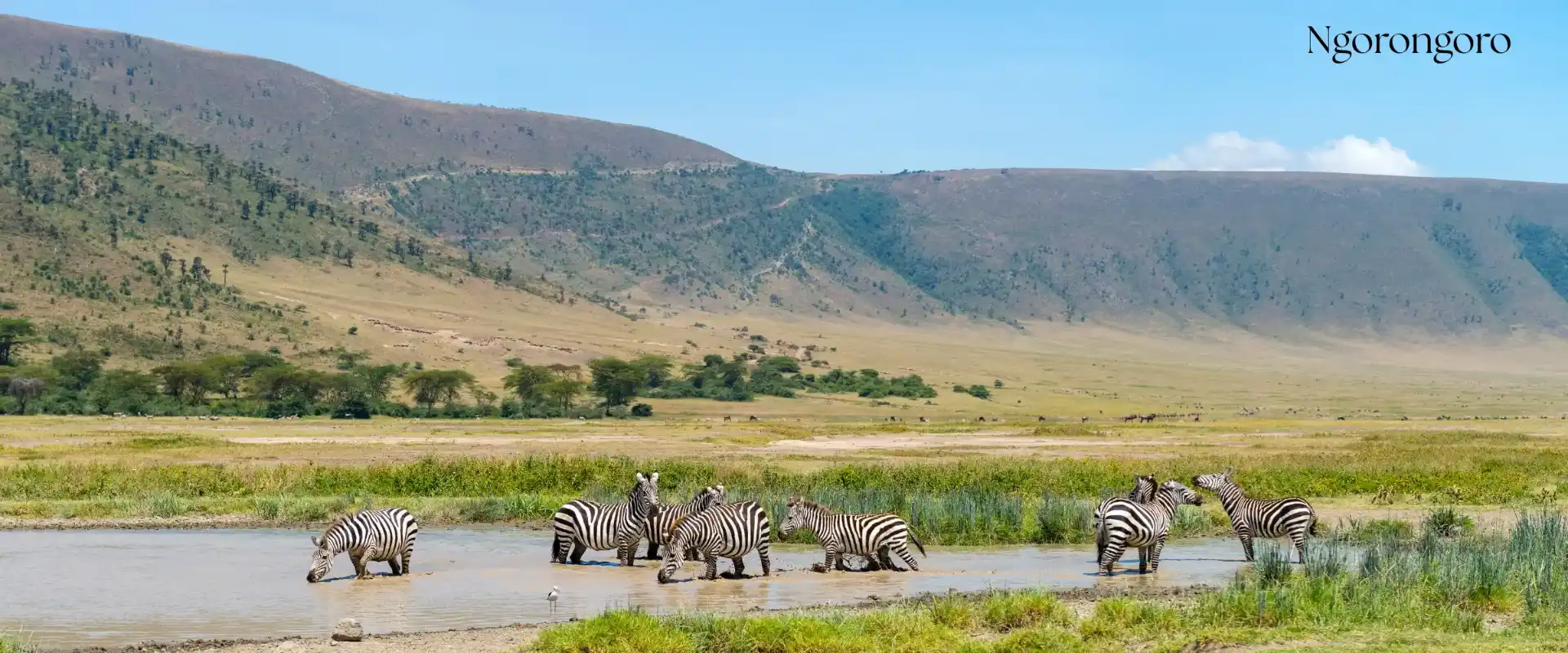
Descend into Africa's Eden - a UNESCO World Heritage Site where a volcanic caldera collapsed 3 million years ago, creating the world's largest intact crater. This natural amphitheater spans 260 square kilometers and hosts the highest concentration of wildlife in Africa, making it the best place to see the Big Five in Tanzania.
Tarangire National Park
Northern Tanzania
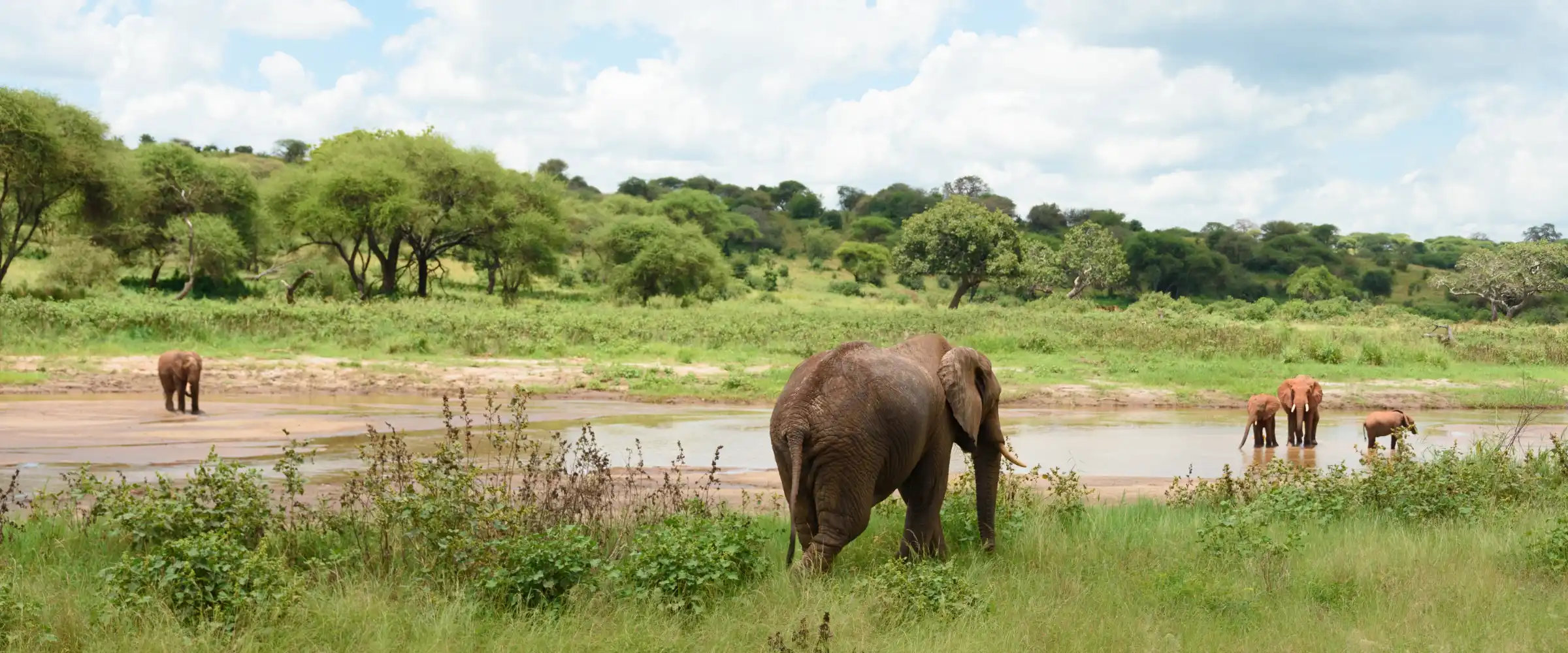
Discover Northern Tanzania's best-kept secret - a vast, uncrowded wilderness famous for spectacular elephant concentrations, ancient baobab forests, and authentic safari experiences. During peak season (July-October), up to 3,000 elephants gather along the Tarangire River, creating one of Africa's greatest wildlife spectacles.
Lake Natron
Northern Tanzania
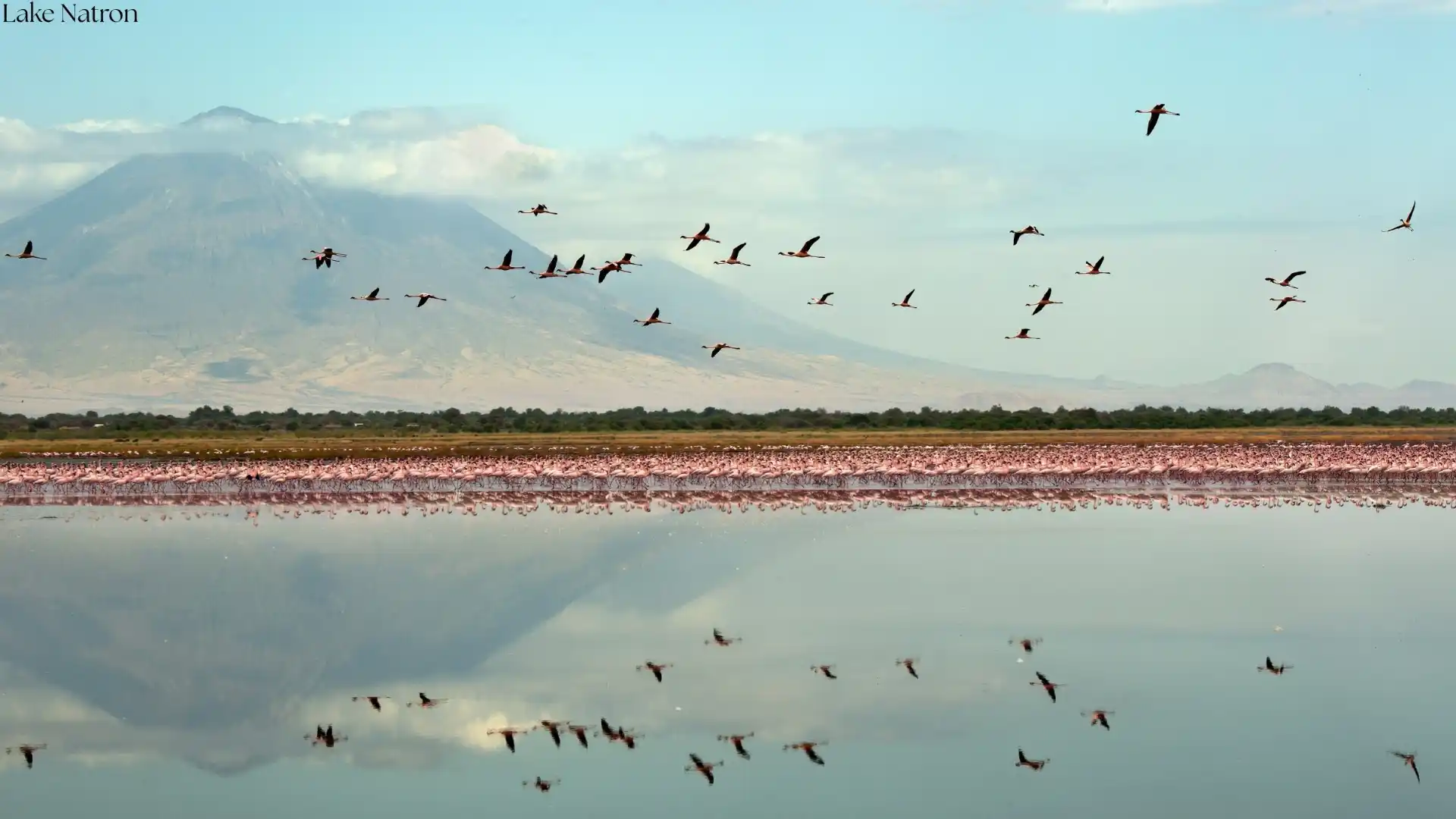
Discover Lake Natron's otherworldly red alkaline landscapes and Ol Doinyo Lengai volcano. Home to 2.5 million flamingos in remote Tanzanian wilderness.
Experience Serengeti National Park
Contact us to create your personalized safari adventure
Get Your Custom Quote