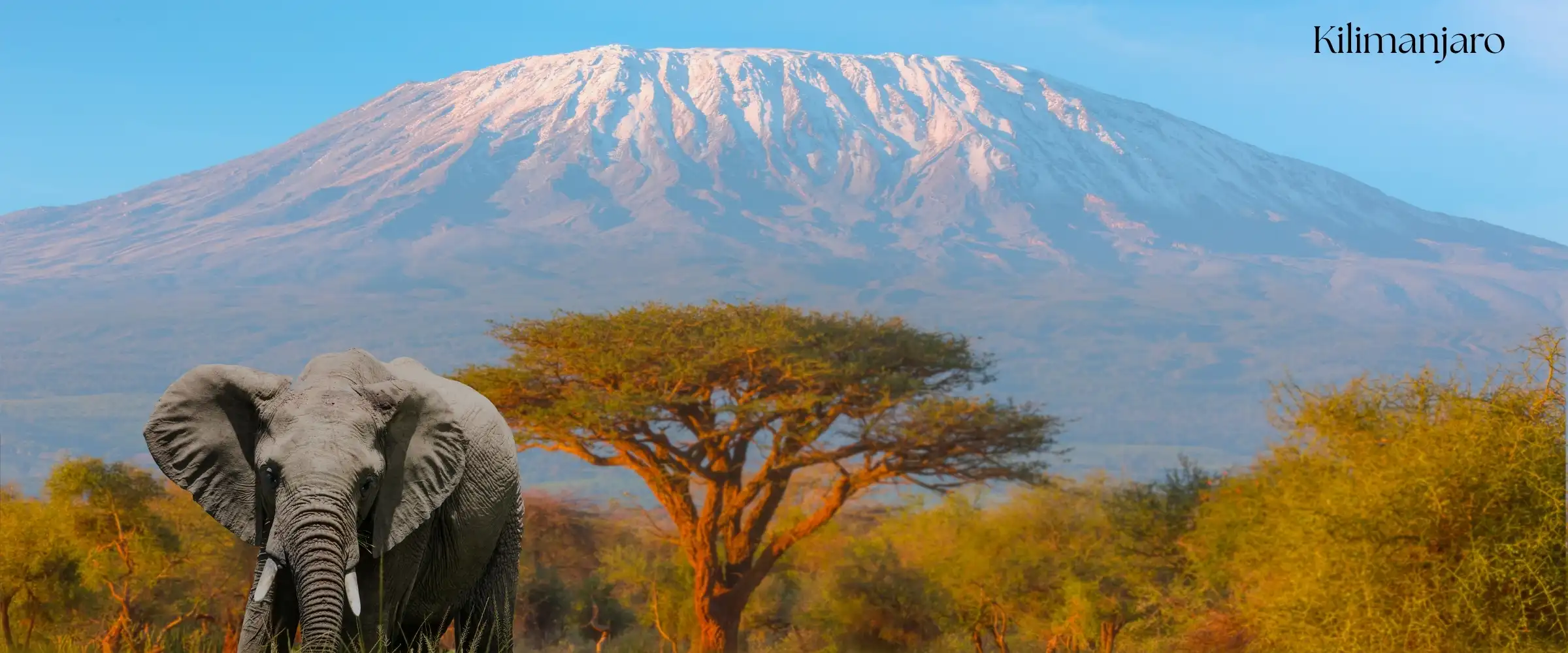
Kilimanjaro National Park Safari
Tanzania's Premier Wildlife Destination
Stand atop Africa at 5,895m on the world's highest free-standing mountain - a dormant volcano crowned with glaciers despite sitting just three degrees from the equator. Kilimanjaro requires no technical climbing skills, yet challenges 75,000+ climbers annually with high altitude and extreme conditions. From rainforest to arctic summit, this is bucket-list mountaineering at its finest.
Why Choose a Kilimanjaro National Park Safari?
Kilimanjaro National Park protects Africa's most iconic mountain - a massive free-standing volcano rising from cultivated plains to 5,895m, creating one of the world's most dramatic elevation gains. Unlike Everest or other major peaks, Kilimanjaro requires zero technical climbing experience - it's an extreme high-altitude trek rather than a climb. The journey ascends through five distinct climate zones: cultivated farmlands, lush rainforest, heath and moorland, alpine desert, and arctic summit zone with permanent glaciers. While summit success rates vary by route (60-85%), proper acclimatization and pacing make this challenging but achievable goal accessible to fit adventurers worldwide.
Kilimanjaro National Park Safari Highlights
Regions to Explore
Summit Routes - Uhuru Peak
Seven routes lead to Africa's rooftop at 5,895m. Lemosho Route (7-8 days, 85% success) offers best scenery and acclimatization. Machame Route (6-7 days, most popular but crowded). Rongai Route (6-7 days, northern approach, drier conditions). Northern Circuit (8-9 days, highest success rate 95%, most scenic, least crowded). Marangu Route (5-6 days, 'Coca-Cola route,' hut accommodation, lower success 60%). Each route traverses different terrain - choose based on time, budget, and desired experience.
Shira Plateau - Day Trek Destination
The spectacular Shira Plateau at 3,600-3,800m offers stunning day trek opportunities for those wanting a Kilimanjaro taste without summit commitment. Drive to 3,500m, then trek across this ancient volcanic caldera with dramatic views of Kibo Peak and the Western Breach. Visit Shira 1 Camp (3,505m) on a comfortable but exciting 4-6 hour round trip through otherworldly moorland landscapes. Experience high altitude, stunning photography, and afro-alpine vegetation without multi-day commitment. Perfect introduction to Kilimanjaro's magic.
Rainforest Zone (1,800-2,800m)
Dense montane rainforest cloaks Kilimanjaro's lower slopes with giant ferns, endemic trees, and moss-draped branches. This perpetually misty zone supports colobus monkeys, blue monkeys, and occasional elephants. The forest teems with life - 140 mammal species and hundreds of birds. Most routes begin here, offering gentle acclimatization as you trek through this verdant wonderland before emerging onto the moorland.
Alpine Desert to Arctic Summit (4,000-5,895m)
Above 4,000m, vegetation vanishes into surreal alpine desert - loose scree, volcanic rocks, and bizarre temperature extremes. Summit night begins around midnight for the brutal 6-7 hour push to Uhuru Peak, arriving at sunrise. Stand atop Africa as glaciers glisten in dawn light, with views stretching into Kenya. The descent back through all climate zones in a single day feels like traveling from Arctic to tropics.
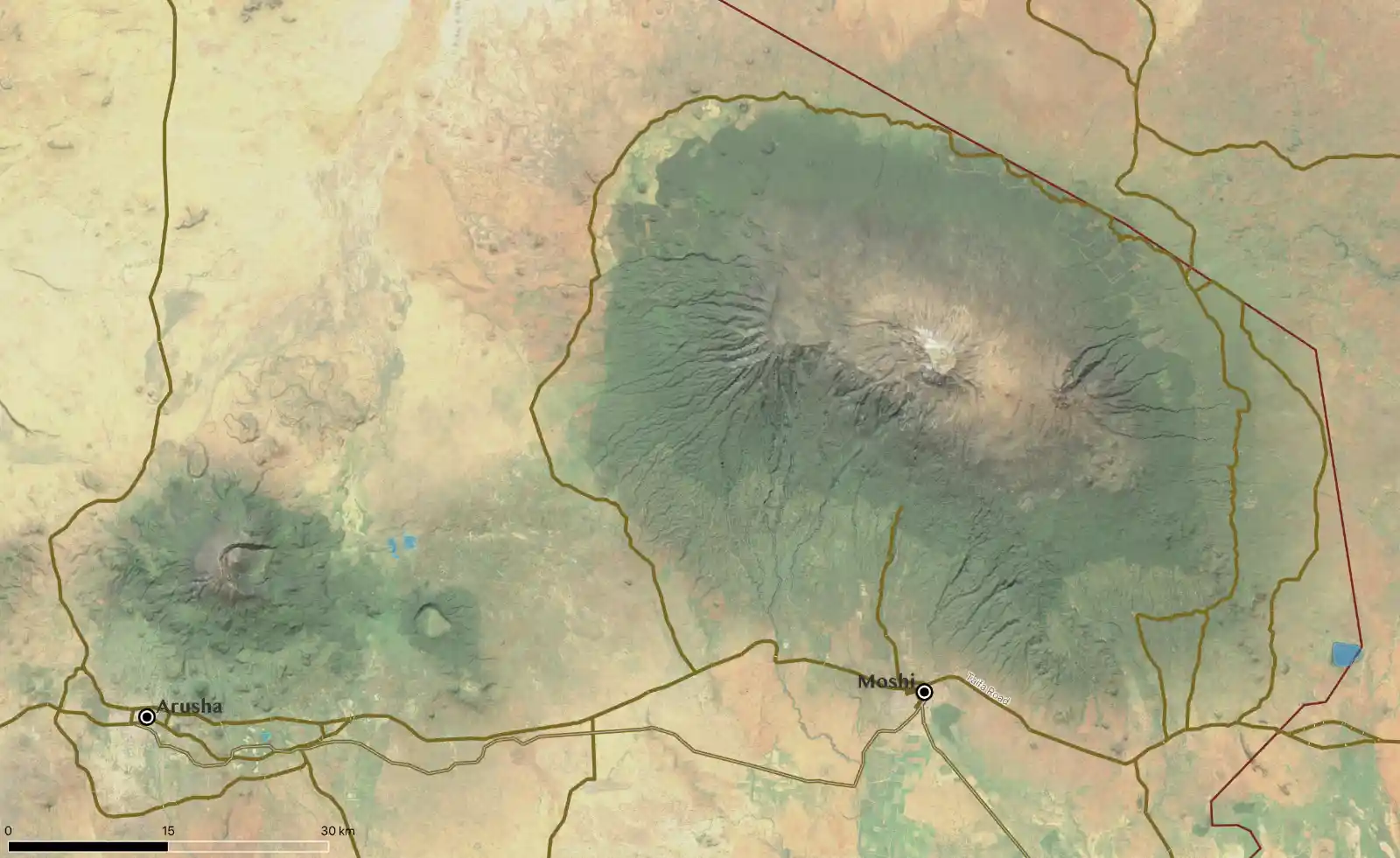
Climbing Routes & Topography
Multiple paths to Africa's rooftop - from rainforest to arctic summit
Activities & Experiences
Did You Know?
Height: 5,895m (19,341ft) - Africa's highest peak, world's tallest free-standing mountain
Established: 1973 as national park, UNESCO World Heritage Site 1987
Age: ~1 million years old, last major eruption 360,000 years ago
Three volcanic cones: Kibo (dormant), Mawenzi (extinct), Shira (extinct)
Glaciers: Retreating rapidly - may disappear by 2030s due to climate change
Climate zones: 5 distinct zones from tropical rainforest to arctic summit
Annual climbers: 75,000+ attempt summit yearly, 60-85% succeed depending on route
Temperature extremes: +30°C at base, -20°C at summit
No technical skills: Walking trek only - no ropes, ice axes, or mountaineering experience needed
Altitude sickness: Primary challenge and main reason for failed summit attempts
Name origin: Possibly 'Kilima Njaro' (Swahili) meaning 'Mountain of Greatness'
Highest point: Uhuru Peak on Kibo's crater rim - 'Uhuru' means 'freedom' in Swahili
Planning Your Visit
Recommended Stay
Summit expeditions: 5-9 days (Marangu 5-6, Machame/Rongai 6-7, Lemosho 7-8, Northern Circuit 8-9 days). Longer routes offer better acclimatization and higher success rates. Day treks: Shira Plateau (full day), Marangu waterfall (half day). Add 2-3 days buffer for itinerary flexibility.
Getting There
Kilimanjaro International Airport (JRO) serves the region, 45km from Moshi town (main climbing base). Drive from Arusha (1.5 hours). Different routes have different start points - Lemosho/Shira from west, Machame from south, Rongai from north. All logistics arranged by licensed operators (required by law).
Accommodation Options
Pre/post-climb accommodation in Moshi or Arusha. Moshi options: Kilimanjaro Mountain Resort ($150-250/night), Ameg Lodge ($80-120/night). Arusha options: numerous (see Arusha NP listings). On mountain: Marangu Route has huts (basic but weatherproof). All other routes use camping (porters carry all equipment, clients carry only daypack).
Important to Know
All climbs require licensed guide/operator (solo climbing prohibited). Park fees $850-1,200 per climber depending on route/duration. Porters mandatory (ethical operators provide fair wages/conditions). Minimum age 10 years (not recommended). Medical check-up advised. Altitude sickness affects 75% of climbers to some degree - 'pole pole' (slowly slowly) essential. Day treks require park entry ($60-70/day) and guide.
Best Time to Visit
January-March & June-October (dry seasons, clear summit views). Avoid April-May (heavy rains). December acceptable but can be cold.
Wildlife
Blue monkeys, black & white colobus monkeys, elephants (lower forests), buffalo, leopards (rarely seen), duikers, eland (moorland zones), abundant birdlife including sunbirds, white-necked ravens
Kilimanjaro National Park Safari Tours & Packages
Explore our carefully crafted itineraries featuring Kilimanjaro National Park
11-Day Safari & Zanzibar
Experience the ultimate Tanzania adventure combining world-class wildlife safaris with pristine tropical beaches. Explore Tarangire, Serengeti, and Ngorongoro Crater, then relax on Zanzibar's stunning beaches.
6-Day Jewels of Tanzania
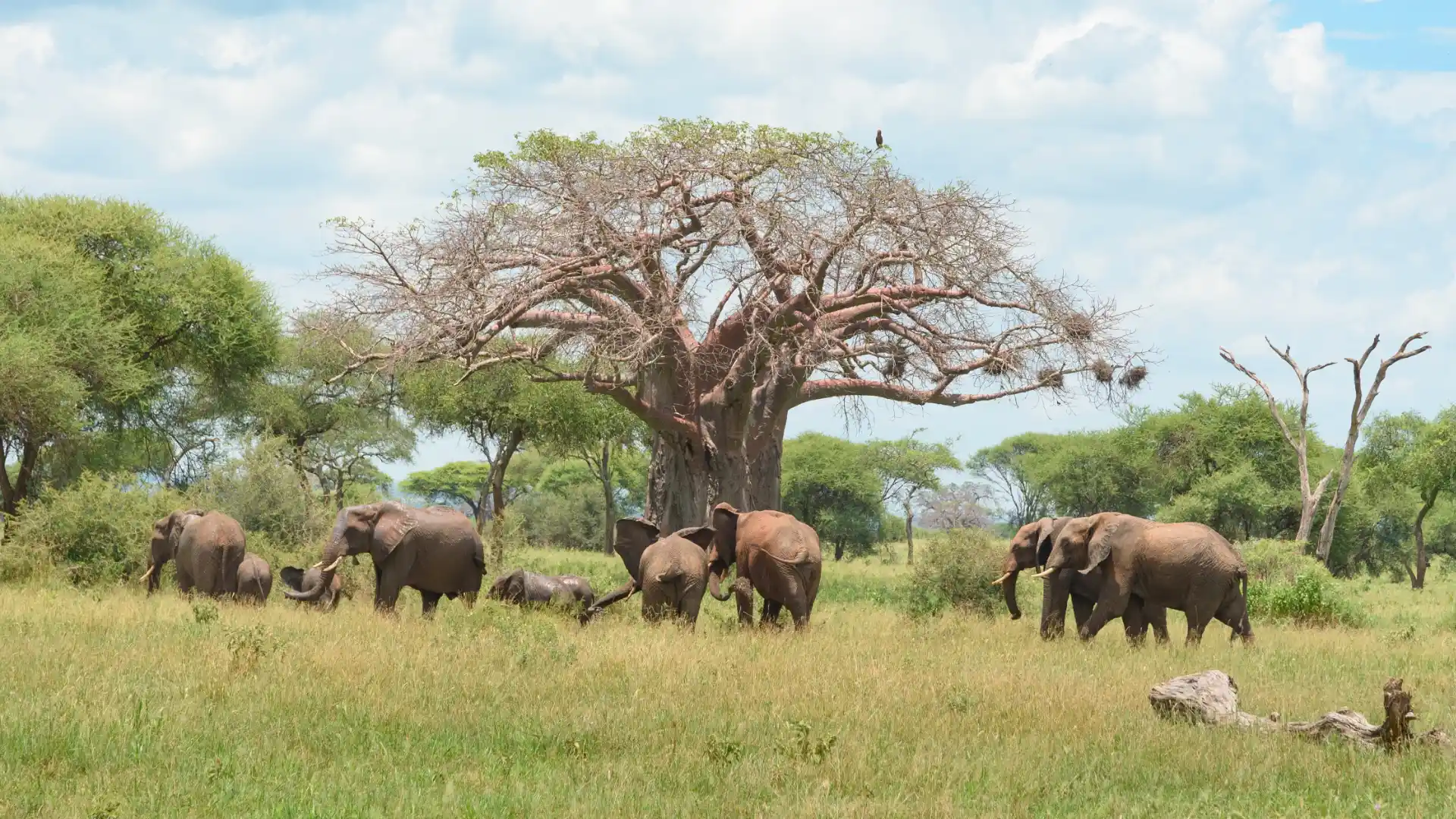
Experience Tanzania's Northern Circuit highlights on this 6-day safari. Tarangire's elephants, Lake Manyara's lions, Serengeti plains and Ngorongoro Crater. From $2,150.
4-Day Bush Safari
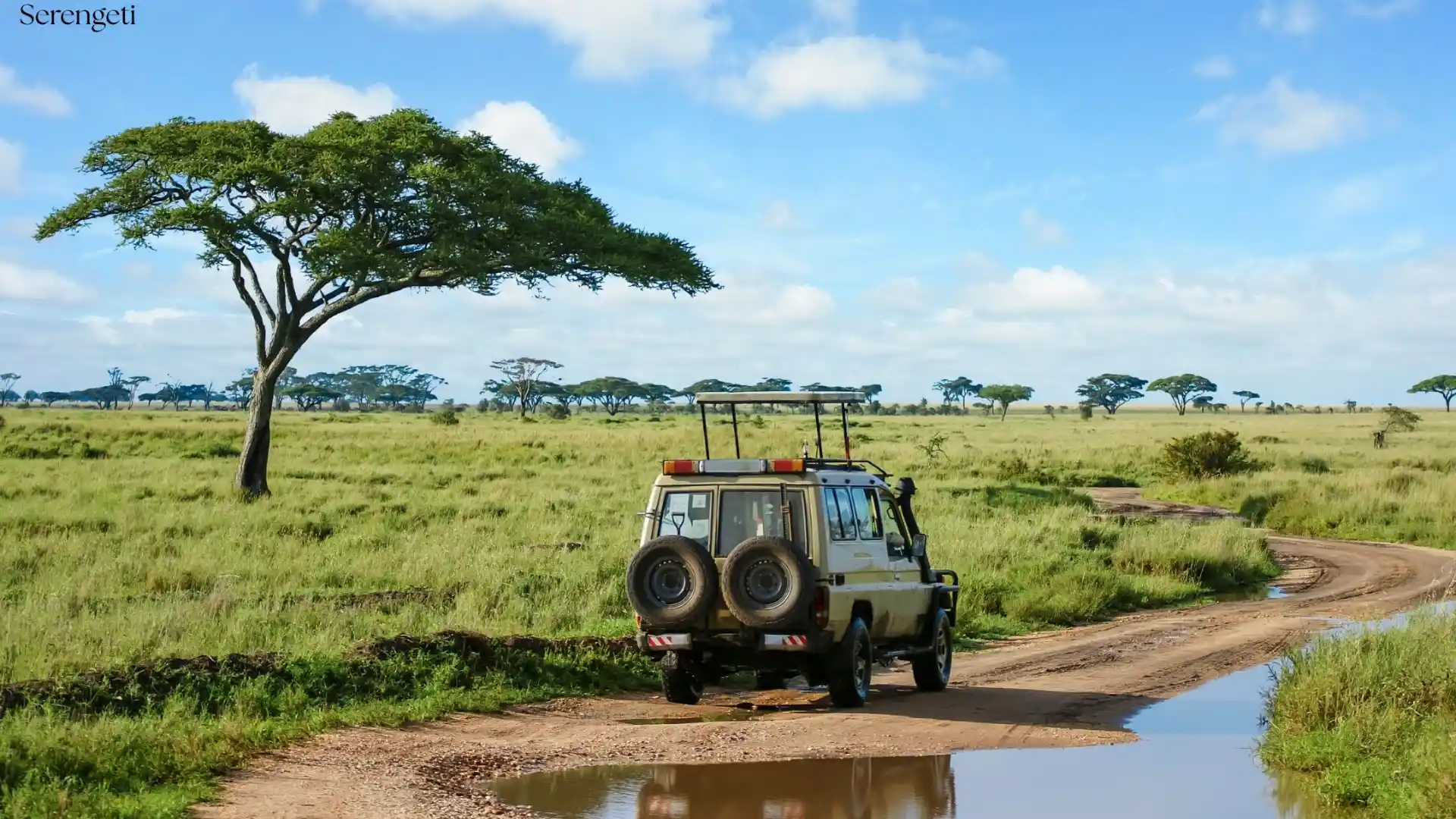
Experience Tanzania's most iconic wildlife destinations in just 4 days. Explore the endless Serengeti plains, witness the Great Migration, and descend into the spectacular Ngorongoro Crater.
Explore More Tanzania Safari Destinations
Combine Kilimanjaro National Park with these incredible wildlife areas
Arusha National Park
Northern Tanzania
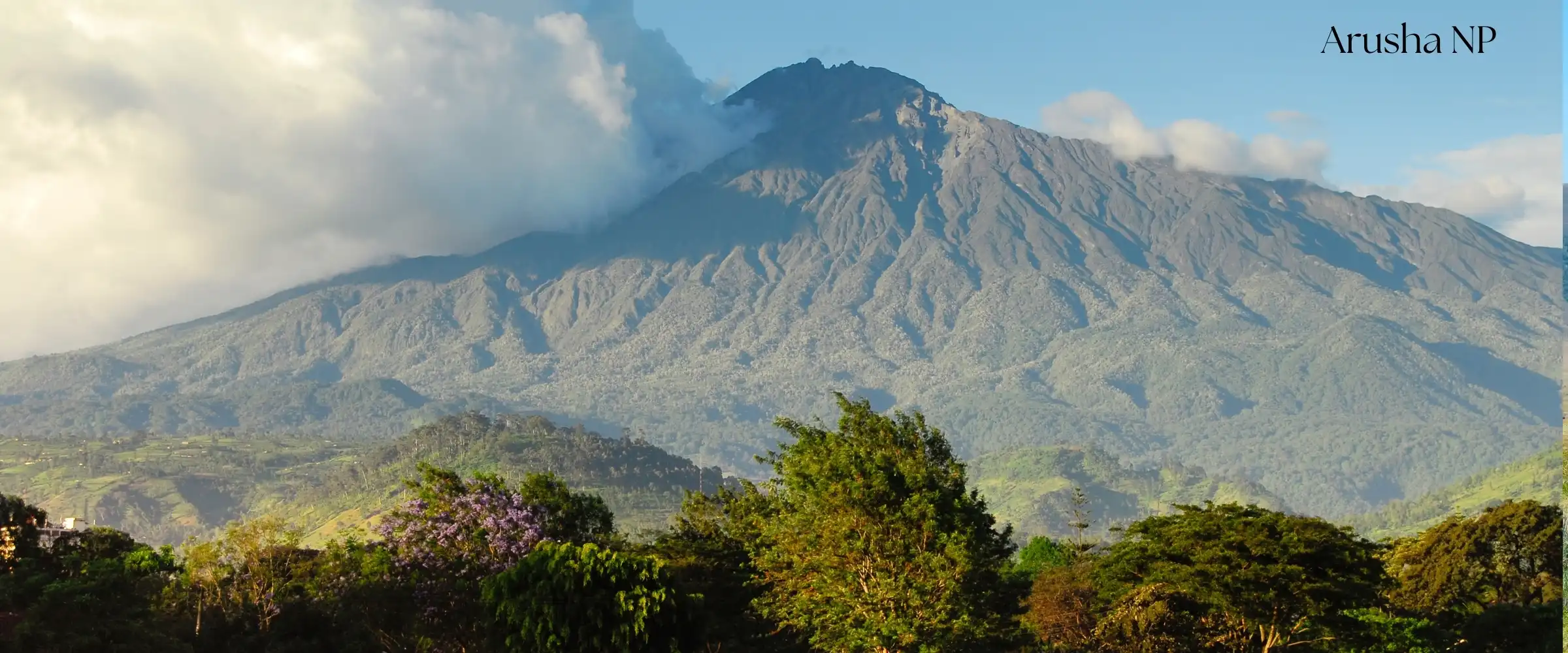
Discover Tanzania's most accessible yet dramatically diverse national park, where Mount Meru's volcanic majesty dominates landscapes ranging from pristine montane forests to sparkling alkaline lakes. Just 45 minutes from Arusha, this compact 137 km² gem offers walking safaris, canoeing adventures, and remarkable wildlife encounters - the perfect Northern Circuit introduction or day trip.
Amboseli National Park
Kenya
Witness Africa's iconic image - massive elephant herds crossing dusty plains with snow-capped Mount Kilimanjaro rising majestically in the background. Amboseli offers the best views of Africa's highest peak from Kenya, combined with exceptional elephant encounters in this 392 km² park.
Experience Kilimanjaro National Park
Contact us to create your personalized safari adventure
Get Your Custom Quote