
5-Day Northern Circuit
Tarangire • Lake Manyara • Central Serengeti • Ngorongoro Crater
Trip Summary
- •Tarangire National Park
- •Lake Manyara National Park
- •Central Serengeti
- •Ngorongoro Crater
Day-by-Day Overview
Pricing
From USD $1,850
The Porcupine Difference
Family-run, Tanzanian-grounded
Johannes and Jacqueline Weigl live this country. Your guide grew up in these landscapes — not a call centre abroad.
Direct booking, no middlemen
Book with us directly for transparent pricing and personal communication from first enquiry to final transfer.
Every trip supports St. Jude
A portion of every safari funds the School of St. Jude in Arusha — education for nearly 1,800 children.
What's Included
- Private 4x4 safari vehicle with pop-up roof
- Professional English-speaking driver-guide
- All national park entry fees
- Ngorongoro Crater conservation and service fees
- 4 nights accommodation (full board Days 2–4, breakfast + lunch Day 5)
- Bottled water and soft drinks on all game drives
- Binoculars for wildlife viewing
- Airport arrival and departure transfers
- All government taxes and levies
Not Included
- International flight tickets
- Tanzania visa (USD 50–100 depending on nationality)
- Travel, medical and baggage insurance
- Gratuities for guide and lodge staff (USD 20–30/day customary)
- Alcoholic beverages (unless specified by accommodation)
- Optional activities: balloon safari, Maasai village visit, night game drive
- Personal items, laundry and telephone charges
Optional Add-ons
- + - Extend to 6 days by adding an overnight at Marera Valley Lodge on the Ngorongoro rim. Day 6 becomes a relaxed Lake Manyara morning game drive before returning to Arusha — a dramatically more comfortable finale than the long Day 5 drive. Add $250/person.
- + - Float over the Serengeti at dawn in a hot-air balloon, landing for a champagne bush breakfast. One of East Africa's most iconic experiences. Pre-bookable; subject to availability.
Essential Travel Info
- Morning game drives start at 06:30 — the cold at this hour (around 15°C) is real
- bring a light fleece or softshell jacket that packs small.
- Midday temperatures reach 28–30°C.
- Neutral colours (khaki, olive, beige, dark green) are best for game viewing
- avoid white and bright colours.
- A telephoto lens of 300–400mm will serve you well for wildlife photography
- your guide will position the vehicle to maximise light and distance.
- Bring USD cash (post-2006 notes only) for gratuities: USD 20–30 per day for your guide is the local standard.
- Carry a reusable water bottle — filtered water is provided throughout.
- Apply sunscreen before your first game drive
- the altitude of the Ngorongoro highlands (2,300m) intensifies UV exposure significantly.
Safari Overview
Tanzania's Northern Circuit is the most celebrated safari route on the continent — and for good reason. In five days, you will stand inside the world's largest intact volcanic caldera, watch lion prides rule the endless Serengeti plains, see elephant herds hundreds strong under ancient baobab trees, and witness flamingos staining a rift-valley lake rose-pink. This is Africa's greatest wildlife stage, and this itinerary puts you front-row for all of it.
What makes this safari special is the two-night Serengeti stay at its heart. Most budget tours rush through in a single day; we give you a full, undisturbed day on the plains — no transfer, no clock-watching, just you, your private guide, and 14,750 square kilometres of wild Tanzania. Combined with a half-day Lake Manyara game drive on the way in, a dedicated Ngorongoro Crater descent, and Tarangire's legendary elephant herds, you leave having seen every key ecosystem of the northern circuit in depth.
This is a fully private safari — your own vehicle, your own guide, your own pace. We are Johannes and Jacqueline Weigl, a German-Tanzanian family who have been running safaris since 2016. Our guides are not just drivers; they are naturalists who grew up in these landscapes. A portion of every booking goes directly to the School of St. Jude in Arusha. When you travel with Porcupine, your trip makes a tangible difference.
Safari Highlights
Tarangire Elephant Herds
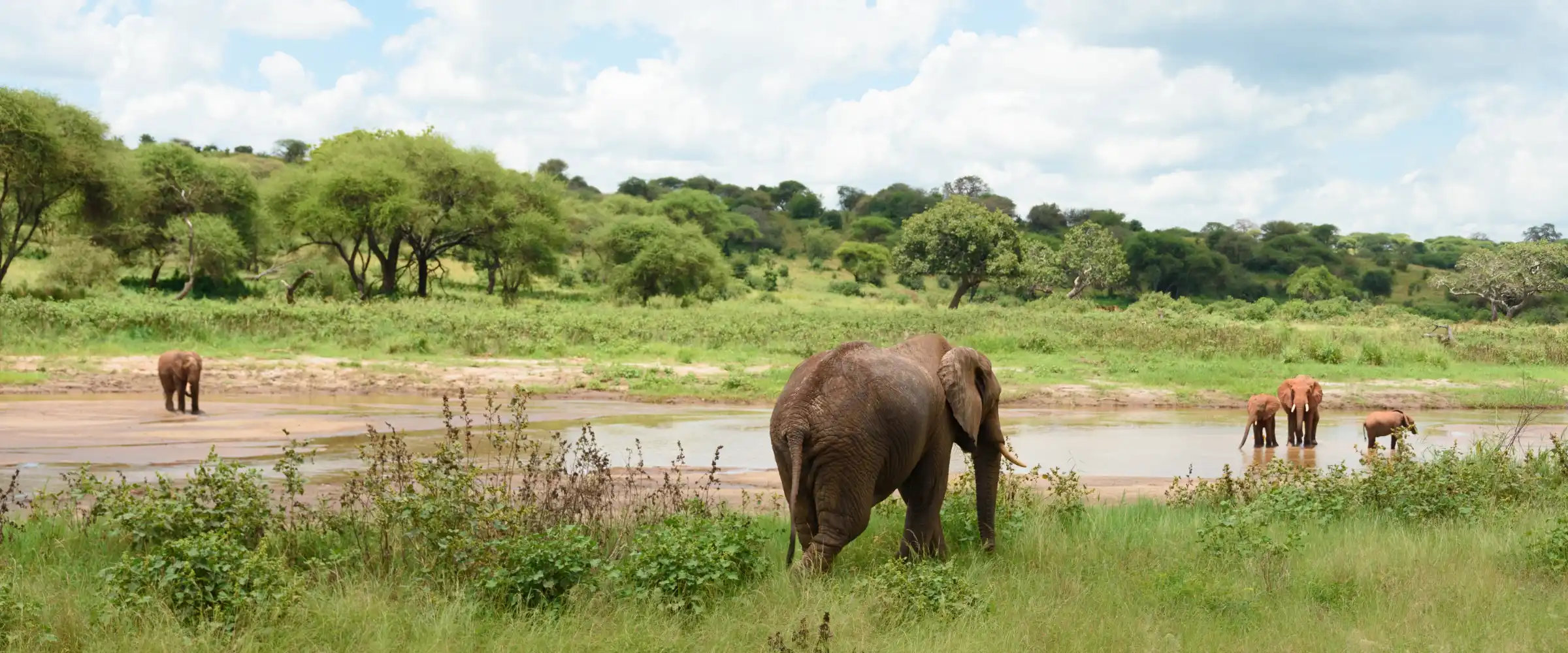
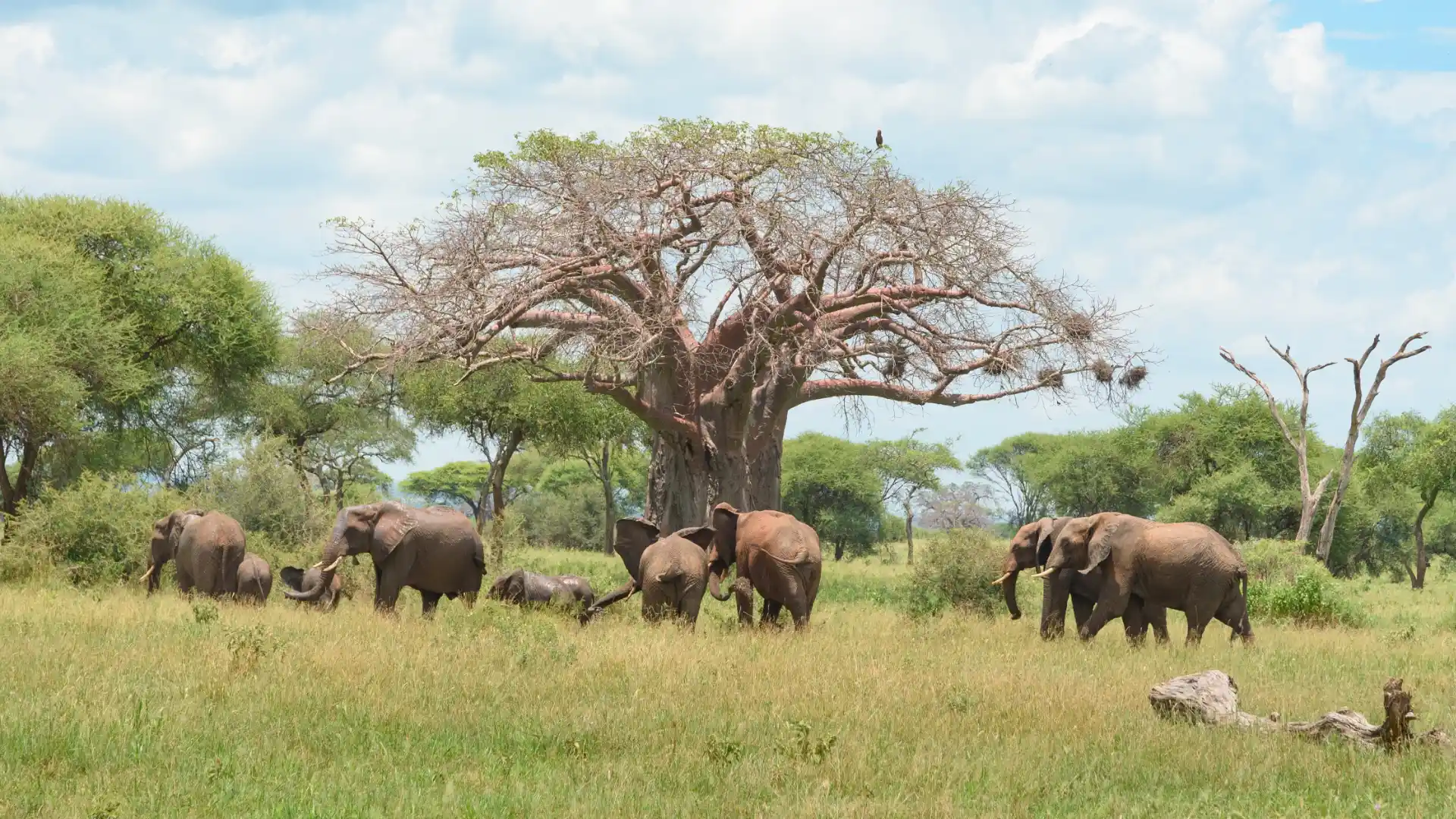
Tanzania's highest elephant density outside Ruaha. Herds of 200–300 gather along the Tarangire River, dwarfed by ancient baobabs — one of Africa's most photogenic wildlife spectacles.
Lake Manyara — Tree-Climbing Lions
The park that stunned Ernest Hemingway. Flamingo-pink shorelines, hippo pools, and the world-famous tree-climbing lions of Lake Manyara's fever-tree forest.
Two Full Days in the Serengeti
Two nights at Central Serengeti's Kirimu Camps means a full uninterrupted day following lion prides, tracking cheetah on the kopjes, and watching the plains in the golden-hour light without rushing.
Ngorongoro Crater Descent
A 600-metre wall encloses 25,000 animals in 260 square kilometres. Lions, black rhino, hippo, buffalo, and elephant — all in one extraordinary natural amphitheatre.
Fully Private Safari
Your own 4x4 pop-roof vehicle and dedicated naturalist guide. No shared group tours, no fixed schedules, no strangers at the dinner table. Pure private safari.
Direct Booking, Real Impact
Family-run since 2016 by Johannes & Jacqueline Weigl. No middlemen, no agency fees. Part of every booking supports the School of St. Jude, Arusha's award-winning charity school.
Photo Gallery
Day-by-Day Itinerary
Day 1: Arrive Arusha — Safari Briefing
Your Tanzania adventure begins the moment you step off the plane. Our team will meet you at Kilimanjaro International Airport with a handwritten name board — no agency, no middleman, just us. The 45-minute transfer to Arusha takes you through the foothills of Mount Meru, Tanzania's second-highest peak. Check in, freshen up, and join your private guide for a safari briefing over dinner: maps, route, what to expect, and your personal wish list of species to find. This is when the anticipation builds.
Midrange · Overnight
Pazuri Inn Hotel
Comfortable rooms, pool, quiet location
Day 2: Tarangire National Park — Land of Giants
An early breakfast, then straight into the bush. The two-hour drive west from Arusha drops through the Rift Valley escarpment into a landscape straight from a Hemingway novel: flat-topped acacia, red laterite dust roads, and the first elephants appearing at the road's edge before you even reach the park gate. Tarangire is Tanzania's most underrated park — and that is precisely why it is so good. Fewer vehicles, wilder encounters.
The Tarangire River is the dry season's lifeline. Every animal for 50 kilometres converges on its banks — elephant herds 200 strong, buffalo in black walls, oryx, gerenuk, and the park's extraordinary bird diversity (over 550 species). Your guide will position the vehicle on the riverbank while the elephants cross, trunks testing the air, calves stumbling in the shallows. Picnic lunch is served at a scenic spot inside the park; afternoon game drives continue until golden hour, when the baobabs throw long shadows across the plains.
Late afternoon transfer to Lake Burunge Tented Lodge, perched on the edge of the Lake Burunge plateau with views across the Tarangire ecosystem. Sundowner drinks on the deck, then a full bush dinner under the stars.
Midrange · Overnight
Lake Burunge Tented Lodge
Elevated tents with treetop views
Day 3: Lake Manyara National Park → Central Serengeti
After an early breakfast, your guide collects you for the 45-minute drive to Lake Manyara National Park — a compact jewel of a park that rewards those who take the time. Enter through dense groundwater forest, home to blue monkeys and a cacophony of hornbills, before the tree line opens onto the soda lake shoreline. In the right season, thousands of lesser flamingos paint the water pink; hippos grunt in the shallows; tree-climbing lions lounge in the fever-tree canopy above your head. Allow two to three hours here — it is enough to see the best of Manyara without rushing.
Departing through Mto wa Mbu village — one of the most culturally diverse villages in Tanzania, where over 120 tribes meet at the market — you climb into the Ngorongoro highlands and cross the Conservation Area boundary before descending the western edge toward the Serengeti. The transition is cinematic: highland forest giving way to open miombo woodland, then suddenly the infinite Serengeti plains stretching to every horizon. Your first lion sighting is often before you reach camp.
Check in to Kirimu Camps in the heart of Central Serengeti. Evening game drive around camp, then a fire-lit dinner. The sound of hyena calling in the darkness is your lullaby tonight.
Midrange · Overnight
Kirimu Camps
Comfortable tented camp in the heart of the Serengeti
Day 4: Full Day Central Serengeti — The Endless Plains
This is the day that guests talk about for years. No transfers, no packing, no driving to a new destination — just you and your guide and the entire day on the Serengeti plains. Pre-dawn departure (coffee and a rusk in hand) to be in the best areas at first light, when predators are still active and the grass glows orange in the rising sun.
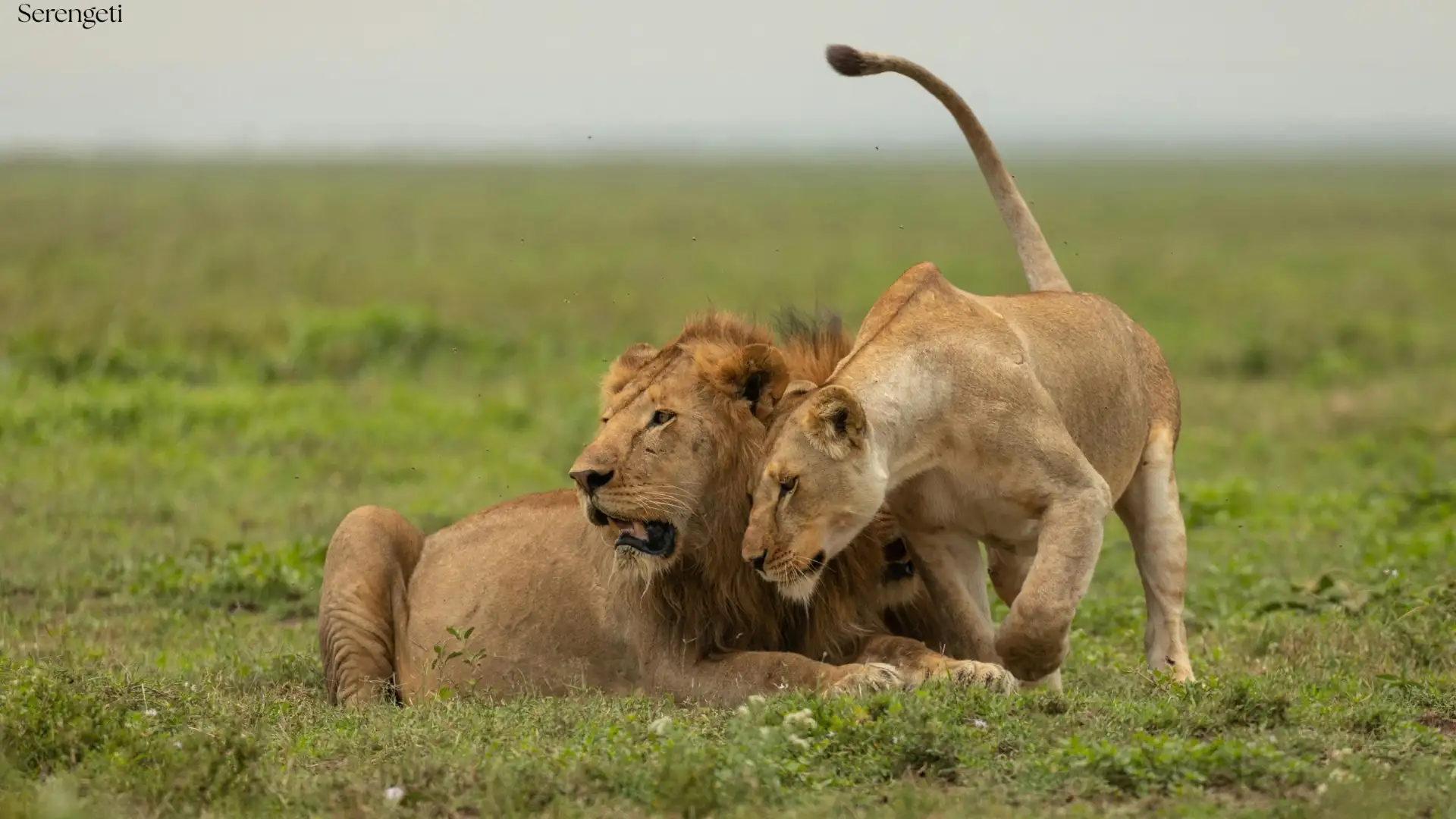
The Central Serengeti's Seronera Valley is one of the most reliable predator-viewing areas in Africa. Resident lion prides, a famous population of leopards in the riverine forest, cheetah on the open kopjes, and spotted hyena packs tracking the morning's movements. Your guide will read the landscape — a cluster of vultures descending, a nervous herd of zebra, alarm calls from impala — and position you for encounters that feel genuinely wild, not staged.
A packed picnic lunch at a shaded kopje gives you time to scan the horizon and let the scale of this place sink in. Afternoon game drives continue until sunset, when the light turns the plains golden and the lions go out to hunt. Back to camp for a hot shower, cold sundowner, and another fire-lit dinner. This is why people come to Tanzania.
Midrange · Overnight
Kirimu Camps
Comfortable tented camp in the heart of the Serengeti
Day 5: Ngorongoro Crater — The World Inside a Volcano
The final day delivers the Northern Circuit's most dramatic finale. A two-hour drive from Central Serengeti brings you to the Ngorongoro Conservation Area, one of the UNESCO World Heritage Sites that genuinely deserves the designation. The road climbs through highland forest to the rim — 2,300 metres — where you pause for the view that stops every first-time visitor cold: 600 metres below, a perfectly enclosed world of savannah, forest, salt lake and swamp, 260 square kilometres sealed inside ancient volcanic walls.
The crater descent road is steep and dramatic — your guide navigating hairpin bends while zebra graze on the verge beside you. On the crater floor, the wildlife density is extraordinary: lions that have never left the crater, the last viable black rhino population in northern Tanzania, hippo pools, breeding herds of elephant, and Cape buffalo in their thousands. The crater's permanent water and enclosed ecosystem mean superb game viewing in every month of the year.
A picnic lunch on the crater floor, watching flamingos on the soda lake and lions resting in the midday shade. In the early afternoon, ascend the crater walls and begin the three-hour drive back to Arusha, arriving in time for evening flights. A glass of wine at the airport, a head full of memories, and a strong desire to come back.
Midrange Accommodations
Lodging for the midrange tier — switch tier on the route map above.

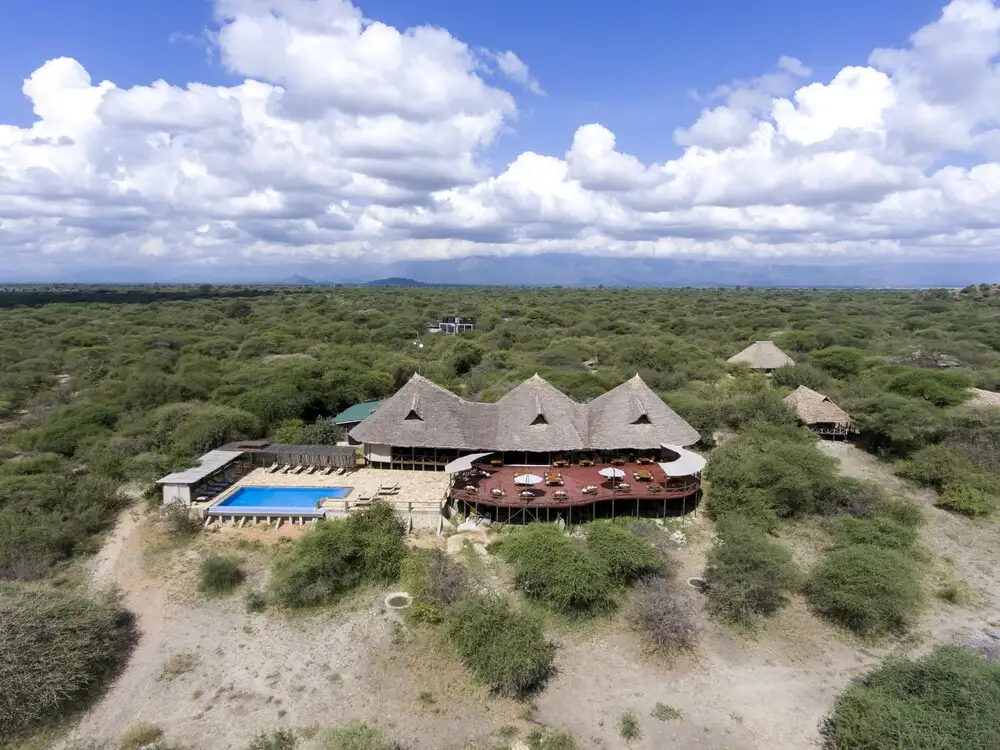
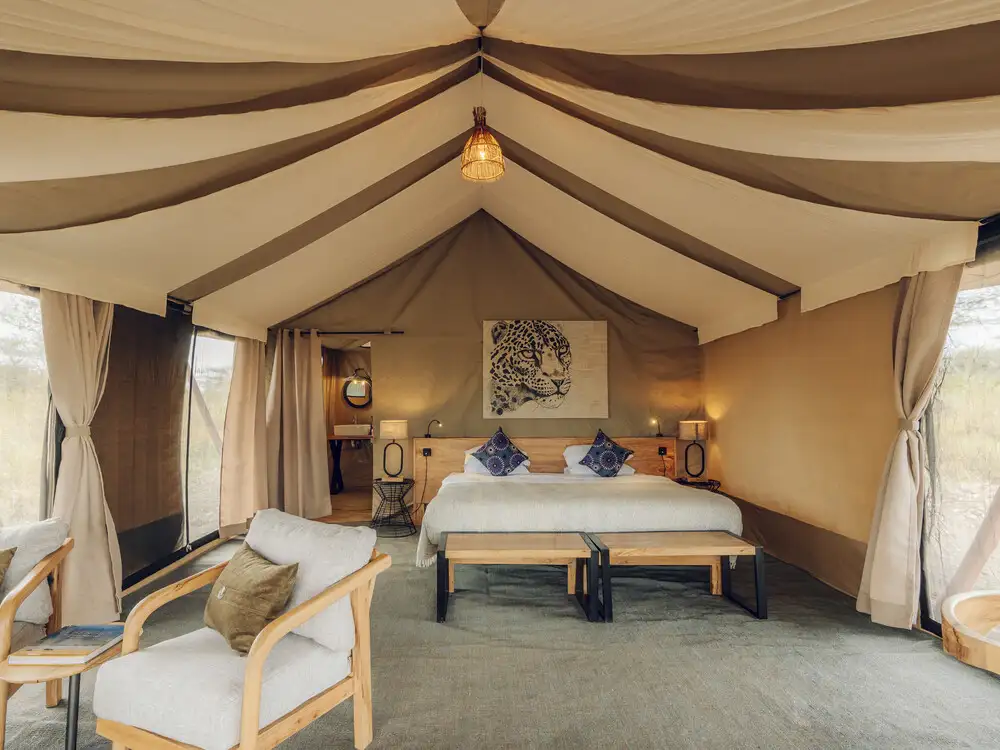
Kirimu Camps
Comfortable tented camp in the heart of the Serengeti
Trusted by travellers worldwide
Real guests. Real safaris.
“Loved the tours loved the people from Jackson and Jacqueline for organizing it. Loved everything about this tour and the people enjoyed all the wonderful animals and my tour guides Danford and Jackson were awesome will be back for more next year.”
“Porcupine Tours transformed our adventure into an unforgettable journey. Jacqueline orchestrated every detail perfectly. Our guides Dickson and Hussein made every game drive educational and joyful. They exceeded our expectations – wholeheartedly recommended!”
Who Is This Safari For?
This safari is the natural choice for first-time Tanzania visitors who want to see everything the Northern Circuit has to offer in an efficient, high-quality package. It suits couples seeking an intimate private safari without the budget-tour crowds, professionals with five days' holiday who refuse to compromise on experience, and anyone who has looked at competitors' 5-day group tours and thought 'I want this, but private'. It is also ideal as a standalone trip for travellers combining Tanzania with Zanzibar, Kilimanjaro, or a Kenya extension.
What to Expect
Expect four genuinely different ecosystems across five days — baobab woodland, rift-valley lake, endless open plain, volcanic caldera — each with its own wildlife character. Your private guide will adapt each day to conditions: if the Serengeti lions are on a kill, you stay; if a cheetah has been spotted at the kopje, you go there first. This is not a checklist tour — it is an immersive wildlife experience led by someone who grew up reading these landscapes. All accommodations are full board (breakfast, lunch and dinner) on Days 1–4; Day 5 is breakfast and crater picnic lunch. Every night is in a comfortable tented lodge or guesthouse, not a camping tent.
Best Time to Visit
This itinerary runs year-round. June to October (dry season) delivers peak wildlife density as animals concentrate at water sources — Tarangire elephants are at their most spectacular, and Serengeti predator activity is intense. January and February bring the calving season to the southern Serengeti plains; if you want to upgrade to a migration-focused safari in those months, ask us about our 7-Day Calving Migration itinerary. March to May (long rains) and November are low season: parks are lush and green, bird life is exceptional, tourist numbers drop dramatically, and prices are at their most competitive — these are the months savvy travellers choose for a more private experience. The Ngorongoro Crater rewards visits in every single month due to its permanent water and enclosed resident wildlife population.
Frequently Asked Questions
Each of the four parks has a genuinely different character and wildlife emphasis. Tarangire is Tanzania's elephant park — baobab forests, enormous herds, the most authentic bush feel of the northern circuit. Lake Manyara is compact and intense — tree-climbing lions, flamingos, excellent birding — and a half-day visit here adds real diversity without adding a full extra day. The Serengeti needs no introduction, and two nights means a proper full day rather than a rushed transit. Ngorongoro is in a category of its own: the crater experience is unlike anywhere else on earth. Skipping any of the four leaves a gap in the story. This itinerary closes all the gaps.
The key difference is private versus shared. Budget tour operators at €1,360–1,530 per person run shared vehicles with 6–7 strangers — your game drive is governed by group consensus, majority vote on where to go and how long to stay. With Porcupine Tours, the vehicle is yours: you set the pace, you decide to stay at the lion pride for 90 minutes, you ask your guide to explain the termite mound ecosystem at length. The guide also matters enormously: our guides are not rotating agency staff — they are naturalists with years of experience in these specific parks, who will teach you to read animal behaviour rather than just pointing at species. Same parks, fundamentally different experience.
The Great Migration — the annual movement of 1.5 million wildebeest and 500,000 zebra through the Serengeti ecosystem — is a year-round phenomenon. The herds are always somewhere in the system. In Central Serengeti (where we stay), large resident herds of wildebeest and zebra are present throughout the year regardless of the migration's exact location. If you visit June through October, there is a strong chance the main migration will be in or near Central/Northern Serengeti during your stay; your guide will have daily intelligence on herd movements and route accordingly. For a safari specifically timed to the calving season (late January to March), we recommend our 7-Day Calving Migration itinerary instead.
Yes — this is one of the most reliably Big Five itineraries in Tanzania. Lion: virtually guaranteed in both Central Serengeti and Ngorongoro Crater. Elephant: certain in Tarangire and on the Ngorongoro crater floor. Leopard: Central Serengeti's Seronera Valley has the highest leopard density of any area in the Serengeti ecosystem — sightings are frequent. Buffalo: massive herds on the Ngorongoro crater floor and in Serengeti. Black rhinoceros: the crater floor holds the healthiest wild black rhino population in northern Tanzania; sightings are not guaranteed (the animals are shy) but the probability here is higher than anywhere else in the northern circuit. Your guide will make every effort and knows the animals individually.
Kilimanjaro International Airport (JRO/HTKJ) is served by direct flights from Amsterdam (KLM), Istanbul (Turkish Airlines), Doha (Qatar Airways), Addis Ababa (Ethiopian Airlines), Nairobi and Dar es Salaam. Most European travellers connect via one of these hubs. We arrange the arrival and departure transfer from KIA to Arusha (approximately 45 minutes) as part of the tour price. If you are combining this safari with Zanzibar, we can also arrange the Kilimanjaro to Zanzibar domestic leg; ask when enquiring.
Trip Summary
- •Tarangire National Park
- •Lake Manyara National Park
- •Central Serengeti
- •Ngorongoro Crater
Day-by-Day Overview
Pricing
From USD $1,850
The Porcupine Difference
Family-run, Tanzanian-grounded
Johannes and Jacqueline Weigl live this country. Your guide grew up in these landscapes — not a call centre abroad.
Direct booking, no middlemen
Book with us directly for transparent pricing and personal communication from first enquiry to final transfer.
Every trip supports St. Jude
A portion of every safari funds the School of St. Jude in Arusha — education for nearly 1,800 children.
What's Included
- Private 4x4 safari vehicle with pop-up roof
- Professional English-speaking driver-guide
- All national park entry fees
- Ngorongoro Crater conservation and service fees
- 4 nights accommodation (full board Days 2–4, breakfast + lunch Day 5)
- Bottled water and soft drinks on all game drives
- Binoculars for wildlife viewing
- Airport arrival and departure transfers
- All government taxes and levies
Not Included
- International flight tickets
- Tanzania visa (USD 50–100 depending on nationality)
- Travel, medical and baggage insurance
- Gratuities for guide and lodge staff (USD 20–30/day customary)
- Alcoholic beverages (unless specified by accommodation)
- Optional activities: balloon safari, Maasai village visit, night game drive
- Personal items, laundry and telephone charges
Optional Add-ons
- + - Extend to 6 days by adding an overnight at Marera Valley Lodge on the Ngorongoro rim. Day 6 becomes a relaxed Lake Manyara morning game drive before returning to Arusha — a dramatically more comfortable finale than the long Day 5 drive. Add $250/person.
- + - Float over the Serengeti at dawn in a hot-air balloon, landing for a champagne bush breakfast. One of East Africa's most iconic experiences. Pre-bookable; subject to availability.
Essential Travel Info
- Morning game drives start at 06:30 — the cold at this hour (around 15°C) is real
- bring a light fleece or softshell jacket that packs small.
- Midday temperatures reach 28–30°C.
- Neutral colours (khaki, olive, beige, dark green) are best for game viewing
- avoid white and bright colours.
- A telephoto lens of 300–400mm will serve you well for wildlife photography
- your guide will position the vehicle to maximise light and distance.
- Bring USD cash (post-2006 notes only) for gratuities: USD 20–30 per day for your guide is the local standard.
- Carry a reusable water bottle — filtered water is provided throughout.
- Apply sunscreen before your first game drive
- the altitude of the Ngorongoro highlands (2,300m) intensifies UV exposure significantly.
Explore More Tanzania Safari Destinations
Combine 5-Day Northern Circuit with these incredible wildlife areas
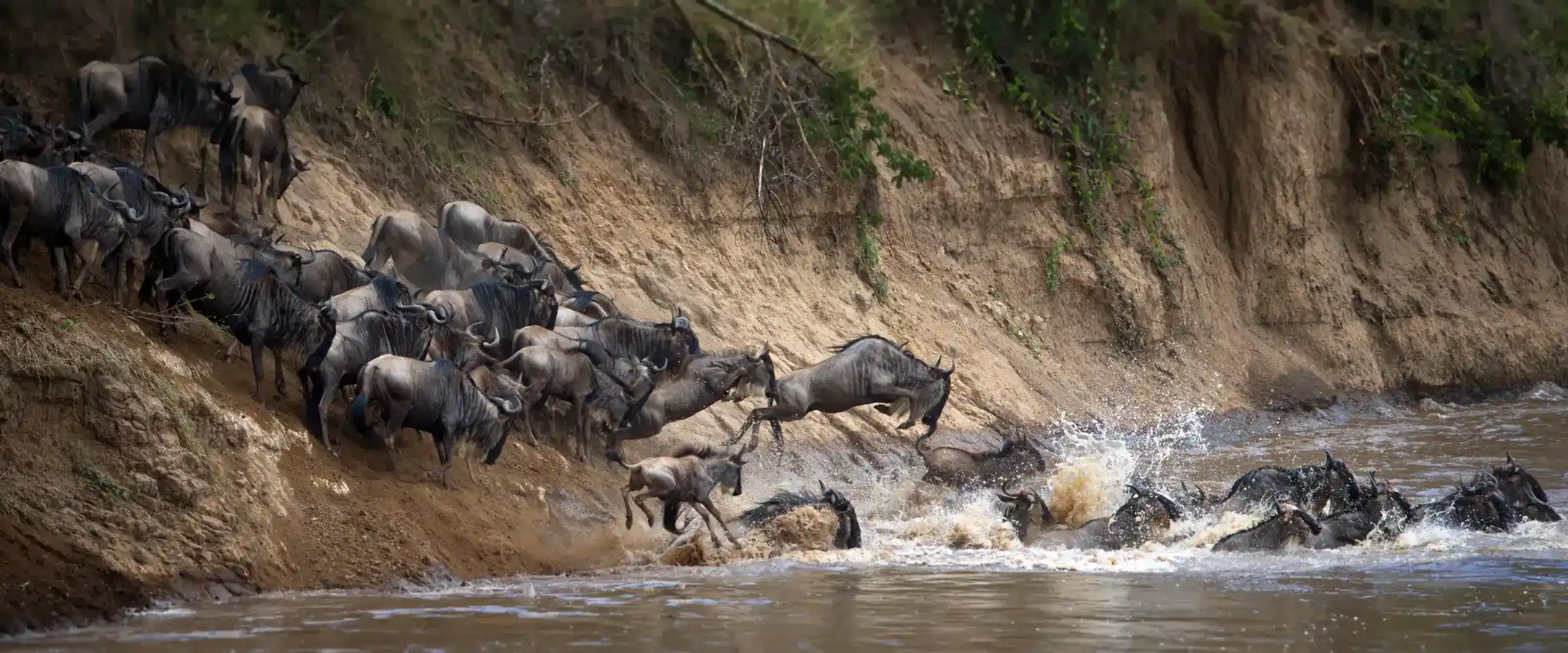
Serengeti National Park
Northern Tanzania
A Serengeti safari is Africa's most iconic wildlife experience — and for good reason. Spanning 14,750 square kilometres of pristine savanna, the Serengeti National Park hosts the Great Migration, where over two million wildebeest, zebras, and gazelles thunder across endless plains in one of nature's most breathtaking spectacles. The Serengeti — meaning 'endless plains' in the Maasai language — is Tanzania's oldest national park and a UNESCO World Heritage Site, established in 1952 to protect one of Earth's most extraordinary ecosystems. Beyond the migration, the Serengeti is home to Africa's densest lion population, with over 3,000 individuals roaming the plains, alongside leopards draped over acacia branches, cheetahs sprinting across open grasslands, and massive herds of elephants and buffalo. Whether you visit during the dramatic calving season in the southern plains (December–March), the Grumeti River crossings of the western corridor (June–July), or the legendary Mara River crossings in the north (August–October), a Serengeti safari delivers unforgettable wildlife encounters at every season of the year.
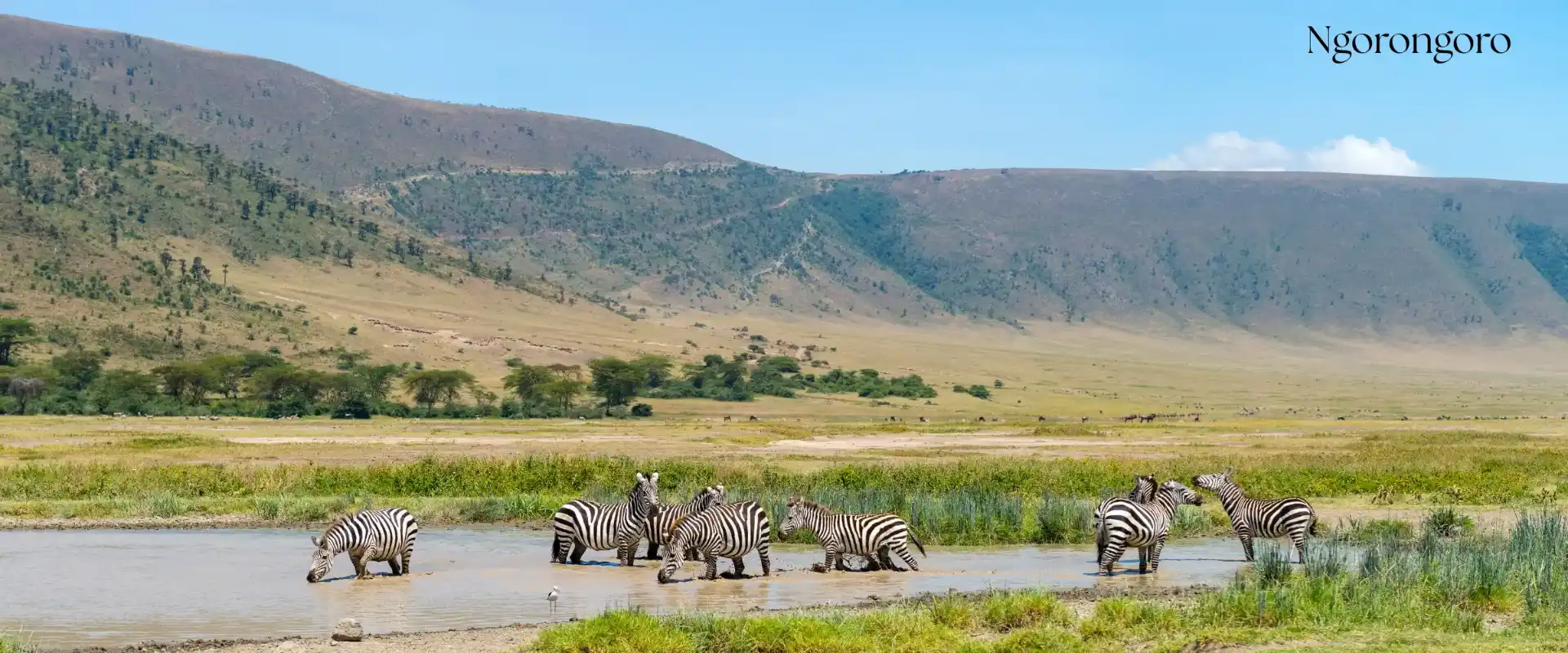
Ngorongoro Crater
Northern Tanzania
Descend into Africa's Eden - a UNESCO World Heritage Site where a volcanic caldera collapsed 3 million years ago, creating the world's largest intact crater. This natural amphitheater spans 260 square kilometers and hosts the highest concentration of wildlife in Africa, making it the best place to see the Big Five in Tanzania.
Tarangire National Park
Northern Tanzania
Discover Northern Tanzania's best-kept secret - a vast, uncrowded wilderness famous for spectacular elephant concentrations, ancient baobab forests, and authentic safari experiences. During peak season (July-October), up to 3,000 elephants gather along the Tarangire River, creating one of Africa's greatest wildlife spectacles.
5-Day Northern Circuit Safari Tours & Packages
Explore our carefully crafted itineraries featuring 5-Day Northern Circuit
6-Day Jewels of Tanzania
Experience Tanzania's Northern Circuit highlights on this 6-day safari. Tarangire's elephants, Lake Manyara's lions, Serengeti plains and Ngorongoro Crater. From $2,150.
4-Day Bush Safari
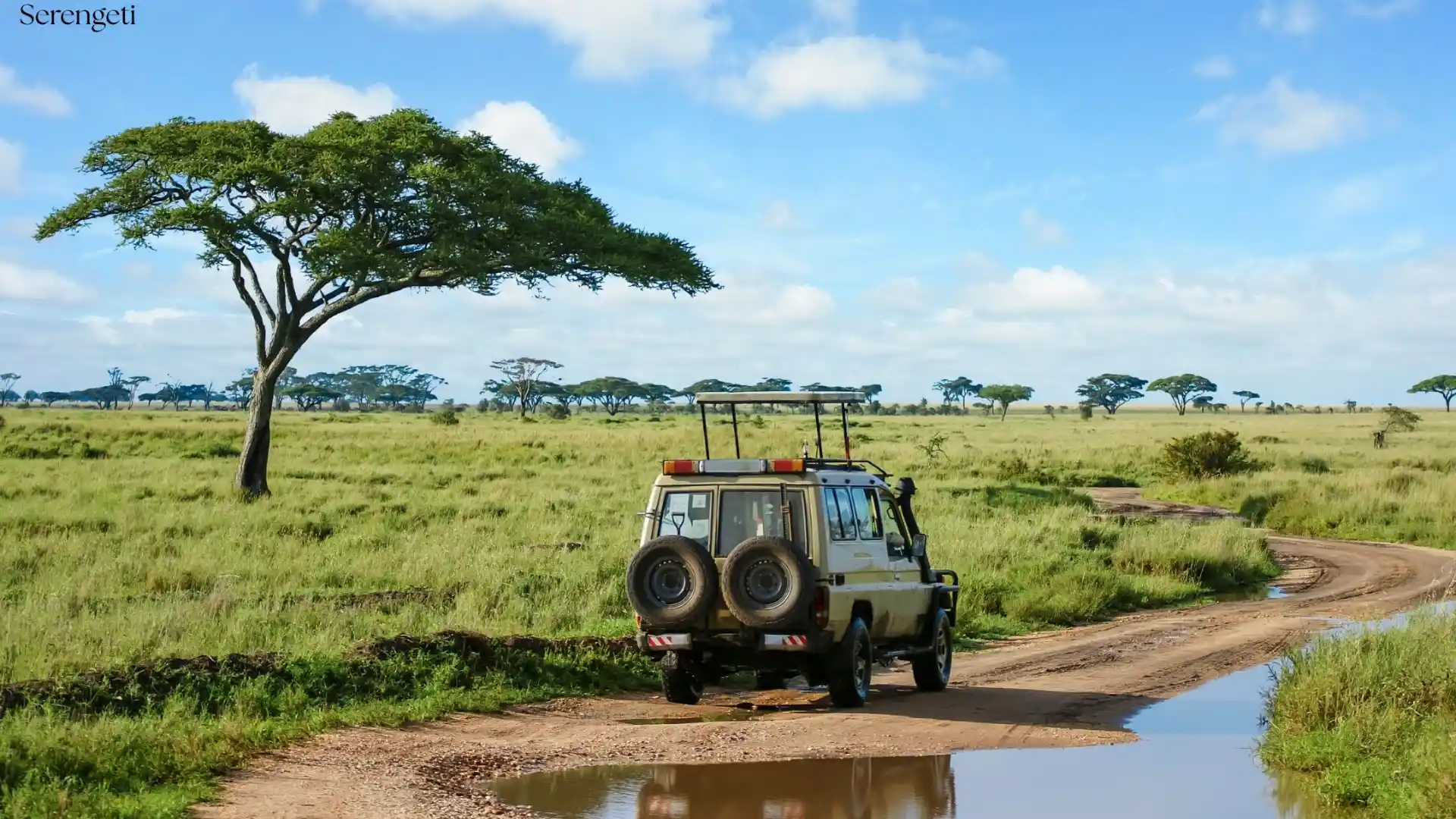
Experience Tanzania's most iconic wildlife destinations in just 4 days. Explore the endless Serengeti plains, witness the Great Migration, and descend into the spectacular Ngorongoro Crater.
7-Day Calving Migration
Witness 8,000 wildebeest calves born daily on the verdant plains of Ndutu during the spectacular calving migration season. Experience dramatic predator-prey interactions, explore Tarangire elephants, Central Serengeti wildlife, and Ngorongoro Crater on this 7-day Tanzania safari adventure.