Quick Takeaways (4 min read)
- ▸Second deepest lake in the world at 1,470 meters, oldest at 9-12 million years
- ▸Holds 18% of the world's surface freshwater - enough to supply Earth for years
- ▸98% of cichlid fish species are endemic (found nowhere else on Earth)
- ▸Mahale Mountains National Park protects one of Tanzania's largest chimp populations
- ▸Accessible only by boat or small aircraft - no roads to Greystoke Mahale lodge
Hidden in the far western reaches of Tanzania lies one of Earth's most remarkable natural wonders – Lake Tanganyika. This ancient inland sea stretches over 670 kilometres along the border of four nations, holding secrets that date back millions of years. For travellers seeking something beyond the classic safari circuit, Lake Tanganyika offers an experience unlike anywhere else in Africa.
A Lake of Superlatives
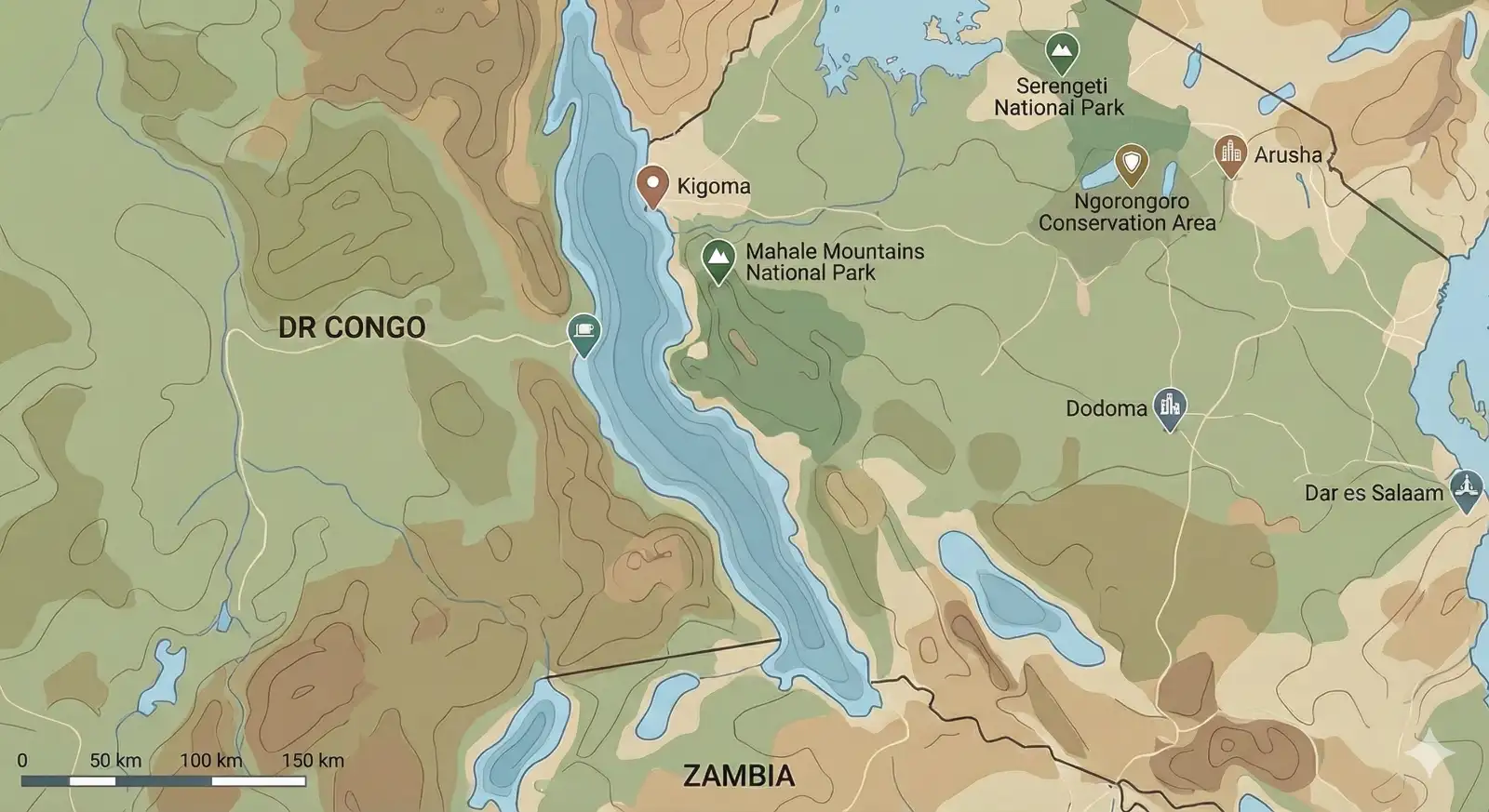
Lake Tanganyika is a place of extraordinary statistics. At approximately 1,470 metres deep, it is the second deepest lake in the world after Russia's Lake Baikal, and the deepest in Africa. Its waters hold an estimated 18% of the world's surface freshwater – enough to supply the entire planet for several years. The lake is also the world's longest freshwater lake, stretching from Burundi in the north to Zambia in the south, with Tanzania and the Democratic Republic of Congo sharing its shores. But perhaps most remarkable is its age: Lake Tanganyika formed around 9-12 million years ago, making it one of the oldest lakes on Earth. This immense age has allowed evolution to work its magic in isolation.
An Underwater Galápagos
The lake's ancient origins have created a biodiversity hotspot that scientists compare to the Galápagos Islands. Over 98% of the lake's cichlid fish species are found nowhere else on Earth – an astonishing example of endemic evolution. These colourful fish have diversified into hundreds of species, each adapted to specific niches within the lake ecosystem. Snorkelling or diving in Lake Tanganyika's crystal-clear waters reveals an underwater world of vibrant colours and fascinating behaviours. The lake is also home to endemic crabs, shrimps, jellyfish, and other invertebrates that evolved in complete isolation. For nature enthusiasts, it's like visiting another planet hidden within our own.
Mahale Mountains: Where Chimps Meet the Lake
The western shore of Lake Tanganyika is dominated by the spectacular Mahale Mountains National Park – one of Africa's most remote and rewarding wilderness areas. Rising dramatically from the lakeshore to peaks over 2,400 metres high, Mahale protects one of Tanzania's largest populations of wild chimpanzees. Tracking these fascinating primates through the forested mountain slopes is an unforgettable experience, made all the more special by the stunning backdrop of the lake below. Unlike Gombe Stream to the north, Mahale offers larger chimp populations and more varied terrain, from dense rainforest to alpine bamboo zones.
Greystoke Mahale: Luxury at the Edge of Wilderness
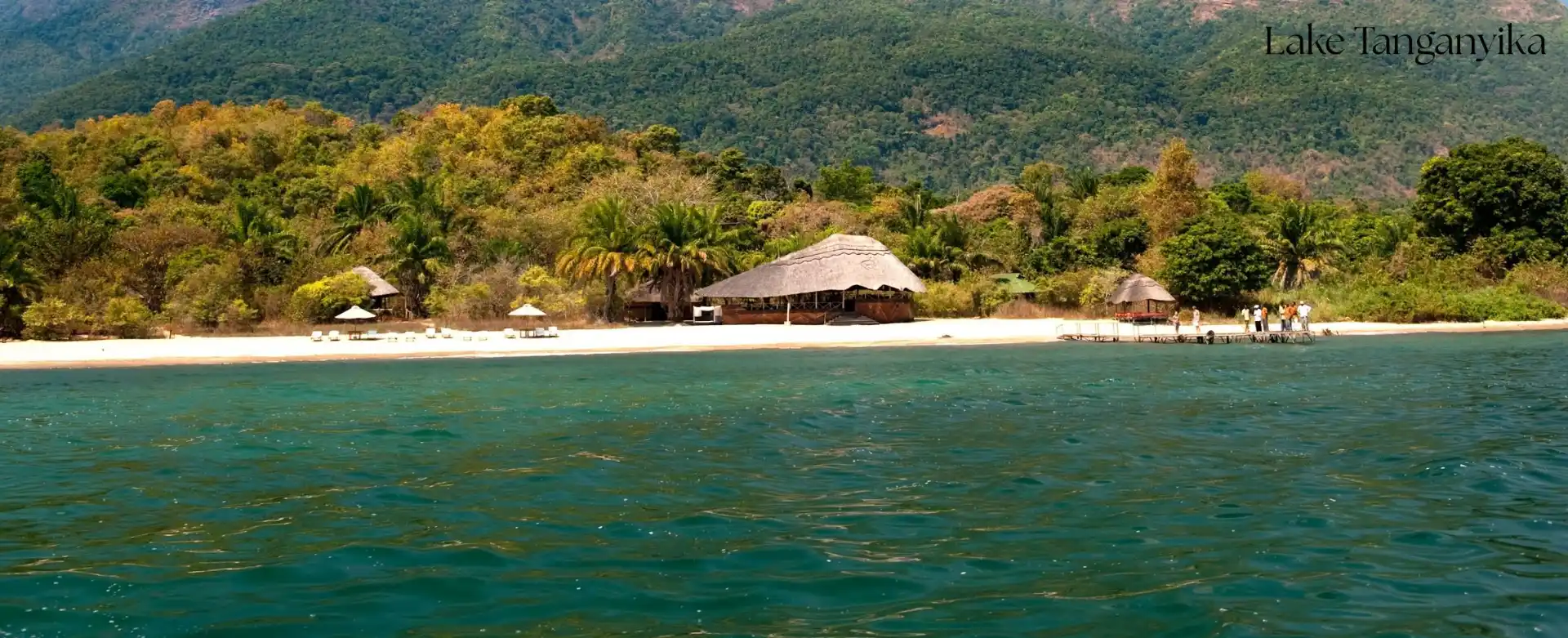
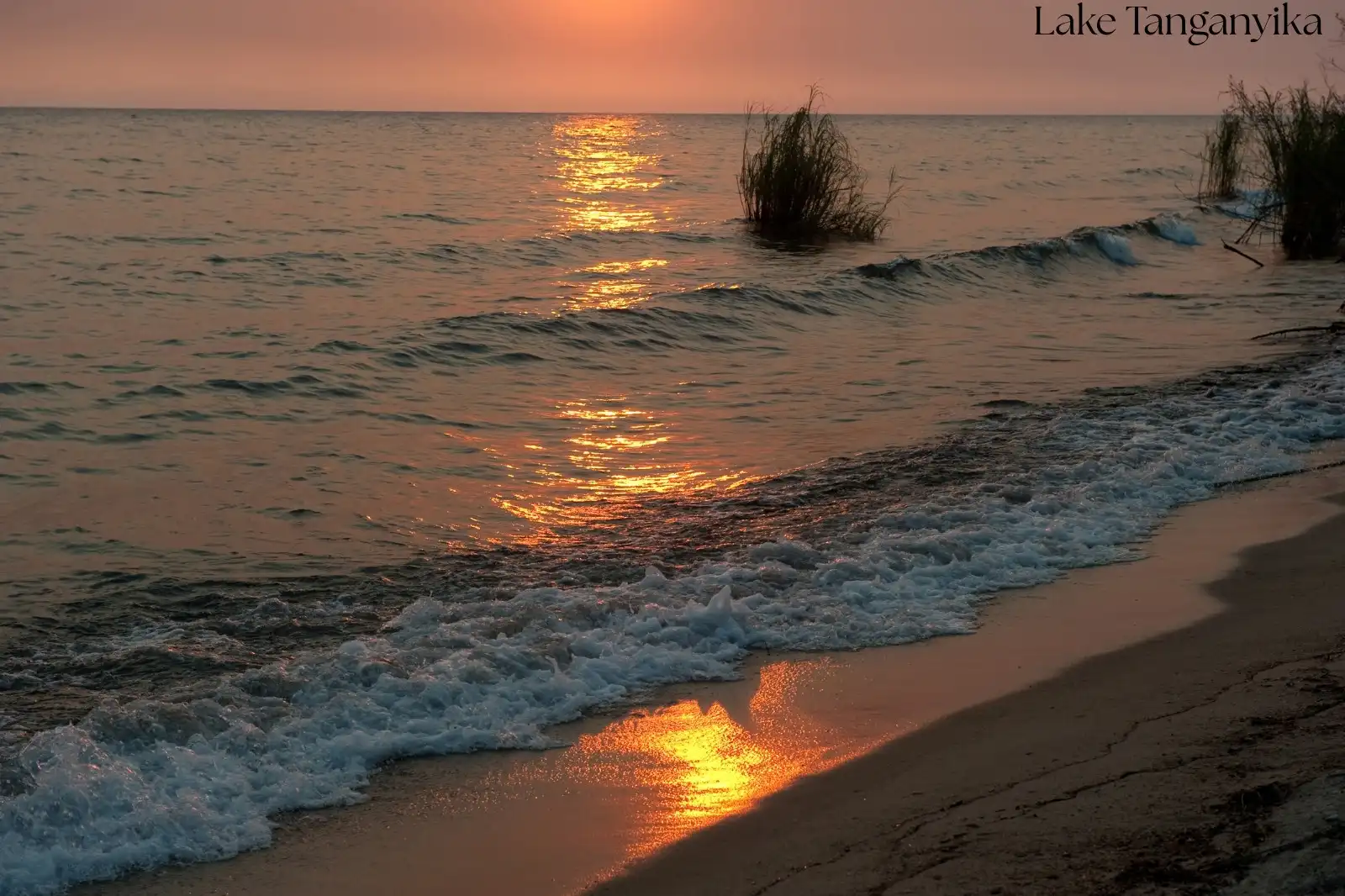
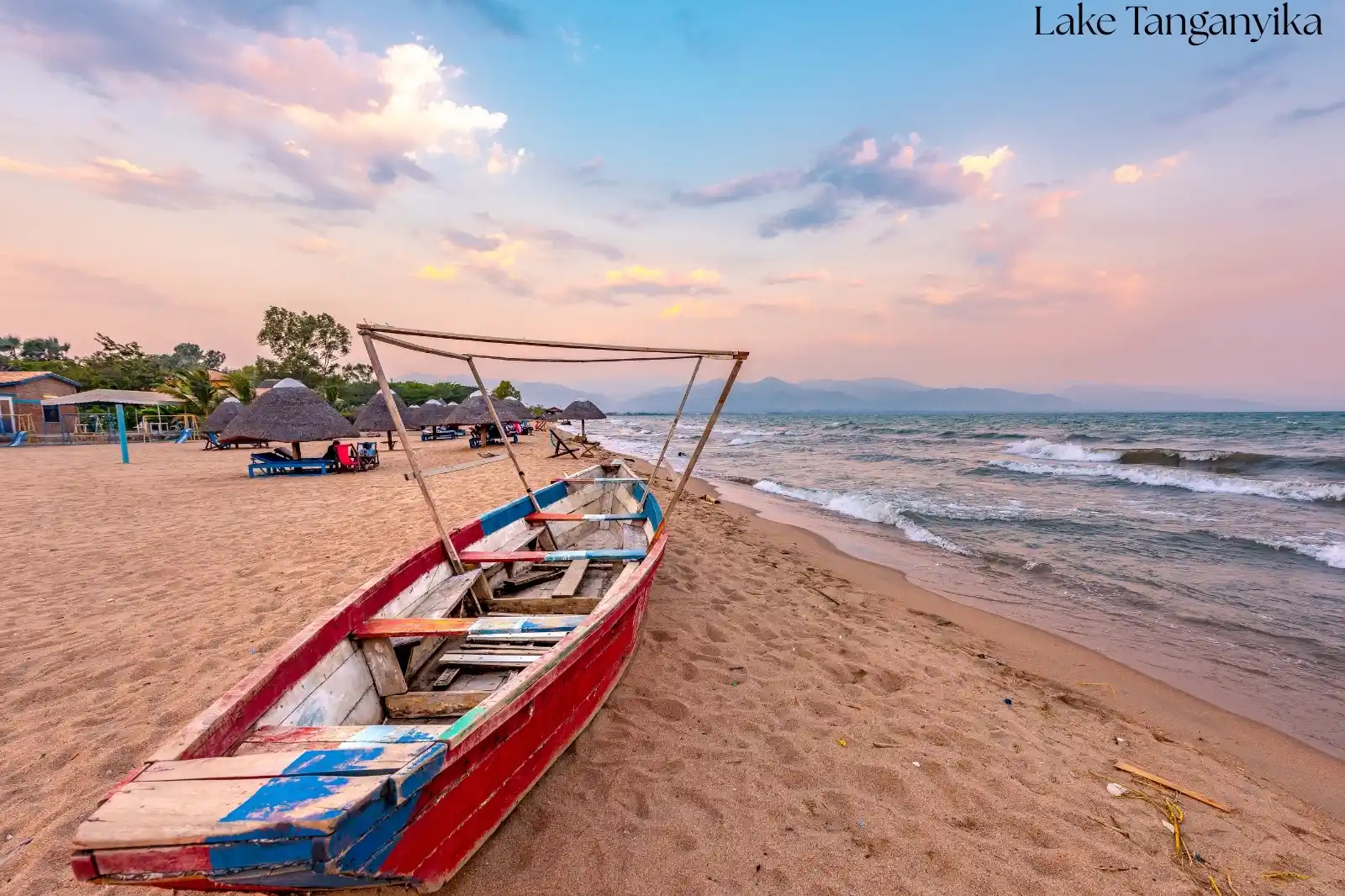
Accommodation at Mahale comes in the form of Greystoke Mahale, one of Africa's most exclusive and atmospheric lodges. Built entirely from reclaimed dhow wood and other natural materials, the lodge sits directly on a pristine beach with the forest-covered mountains rising behind. There are no roads to Greystoke – guests arrive by boat or small aircraft, landing on the beach itself. Days are spent tracking chimpanzees, kayaking on the lake, snorkelling among endemic fish, or simply absorbing the profound remoteness of this special place. As the sun sets over the lake, painting the water gold and crimson, guests gather on the beach for sundowners – it's a scene that feels unchanged from centuries past.
Getting There and Planning Your Visit
Reaching Lake Tanganyika requires commitment, but the journey is part of the adventure. Most visitors fly from Arusha or Dar es Salaam to Mahale's bush airstrip, followed by a boat transfer along the lakeshore. The dry season from May to October offers the best chimp tracking conditions, though the lake is beautiful year-round. A typical Mahale visit lasts 3-4 nights, often combined with the Serengeti or other northern parks for a comprehensive Tanzania experience. The remoteness means limited visitor numbers, ensuring an intimate and exclusive wilderness experience far from the crowds.
A Different Side of Tanzania
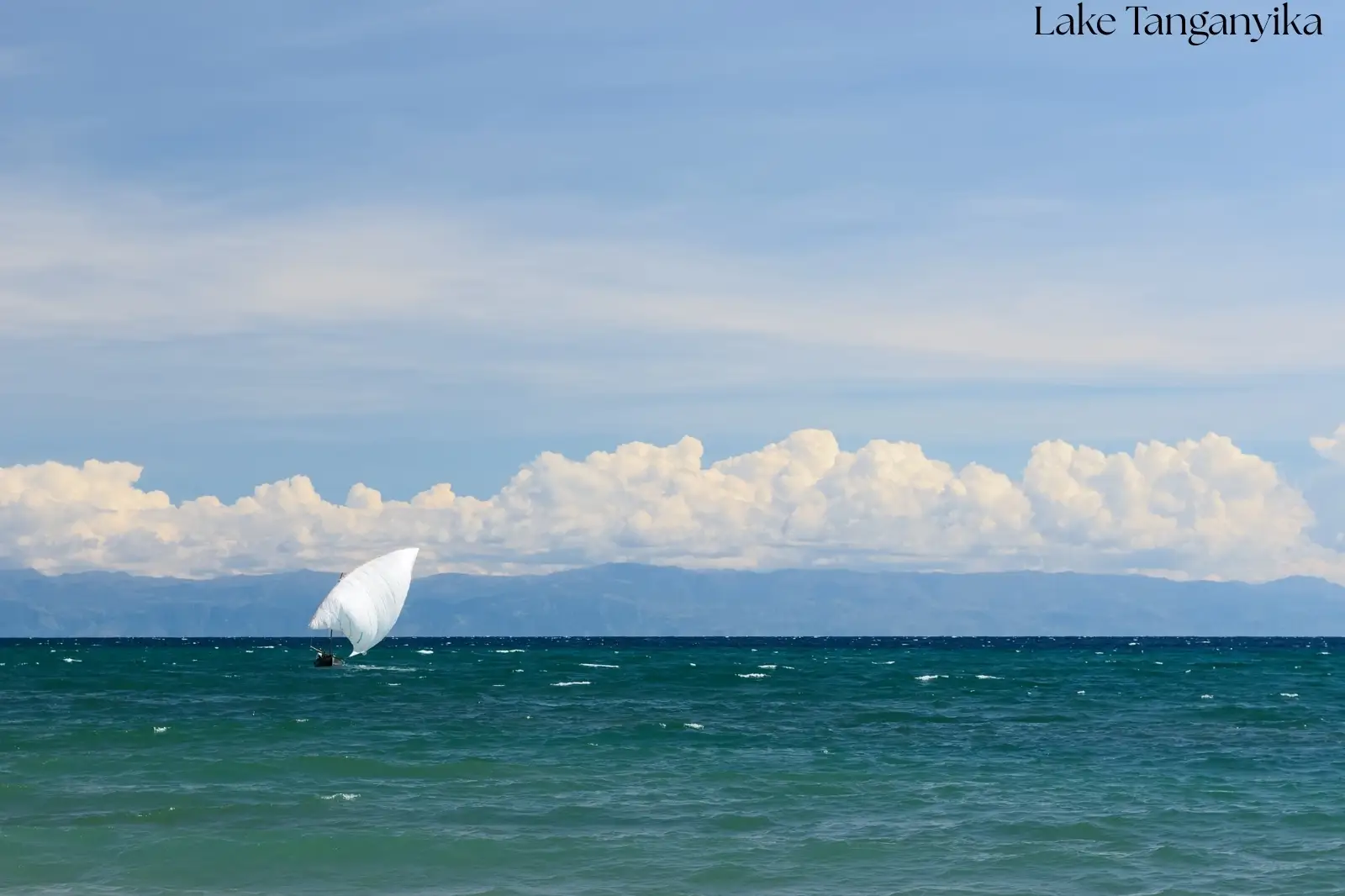
Lake Tanganyika represents Tanzania at its most wild and unexplored. While the Serengeti and Ngorongoro capture the headlines, this ancient lake offers something equally precious – a chance to experience genuine wilderness, remarkable biodiversity, and profound tranquillity. Whether you're watching chimpanzees groom each other in the morning mist, swimming in waters older than humanity itself, or listening to the rhythmic songs of local fishermen, Lake Tanganyika delivers memories that last a lifetime. For those willing to venture off the beaten path, it may just be Tanzania's greatest secret.
Written by Porcupine Tours — Your local Tanzania safari experts
Get in touch to plan your safari