Quick Takeaways (17 min read)
- ▸Kenya's only women-only village – men cannot live here, creating safe space for survivors
- ▸True democracy: all decisions made collectively under 'tree of speech' where every woman has equal vote
- ▸Founded 1990 by 15 survivors of rape, domestic violence, and FGM; now 37 women + 200 children
- ▸Breaking barriers: receiving community land title in culture where women own <2% of land
- ▸Visit their campsite near Samburu National Reserve – stay overnight and support directly
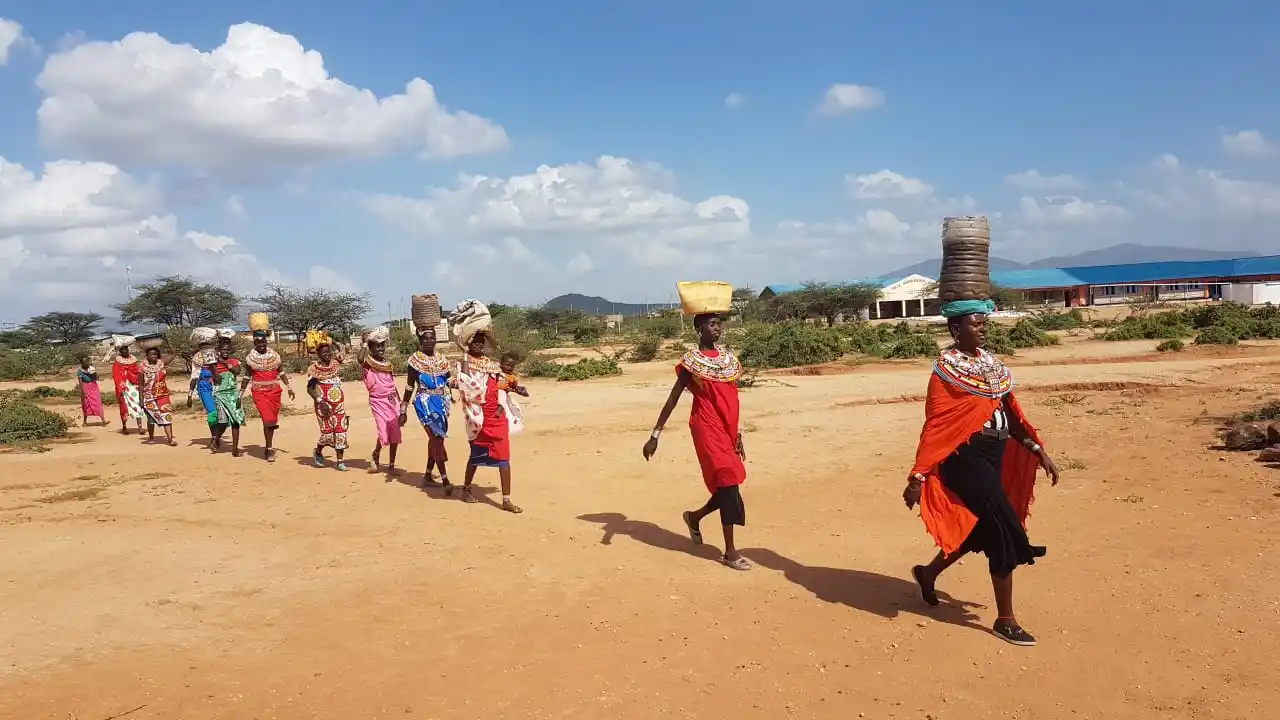
Hidden in the arid plains of northern Kenya, just a few kilometers from Samburu National Reserve, lies a village unlike any other in Africa. Umoja Uaso – meaning 'unity' in Swahili – is a women-only community where survivors of violence have built not just shelter, but genuine independence. Founded in 1990 by 15 Samburu women cast out from their communities, Umoja now houses 37 women and over 200 children, running a school, tourist campsite, and thriving beadwork business. Their story is one of extraordinary resilience, and their proximity to Samburu's elephant herds and dramatic landscapes makes them an inspiring addition to any Northern Kenya safari.
💪The Founding: Rebecca's Vision
The story of Umoja begins with violence and ends with hope. In the 1990s, Samburu County in northern Kenya was marked by a dark chapter: British Army soldiers stationed at a nearby training facility raped over 1,400 local women. Amnesty International documented these crimes in 2003, but justice never came – the British military cleared its personnel of wrongdoing in 2006. The victims faced double trauma: assault by soldiers, then abandonment by their own husbands and communities. In Samburu culture, women are subordinate to men, unable to own property or make decisions. A raped woman was considered 'defiled' – many were beaten and driven from their homes, left with nothing.
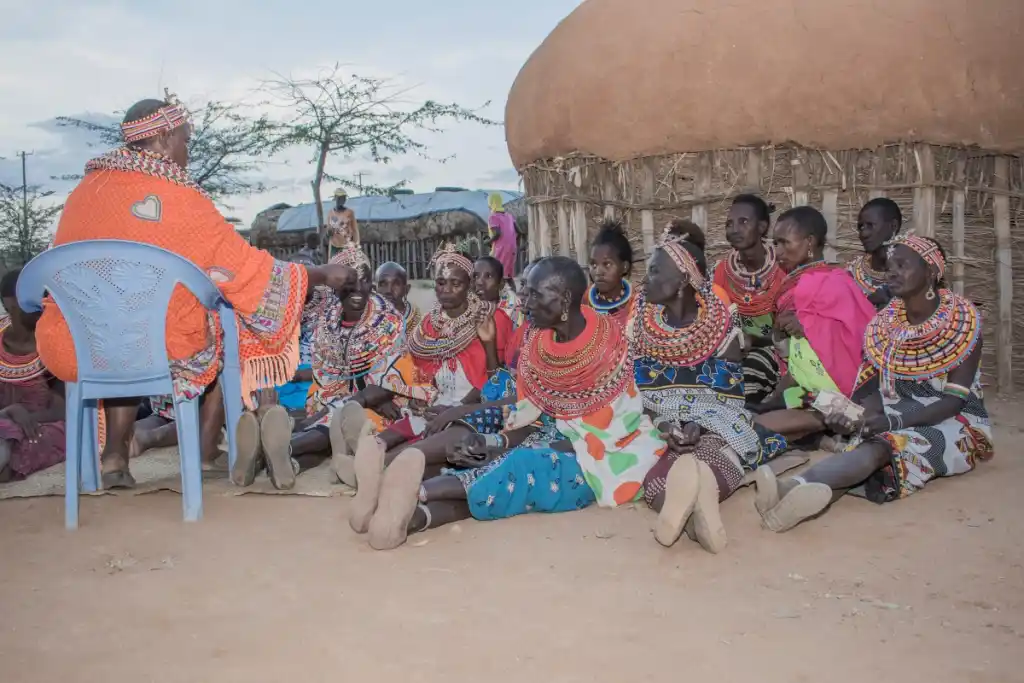
Rebecca Lolosoli was one such woman, though her story began differently. She was beaten severely by men in her village for speaking out against female genital mutilation (FGM) – a practice affecting over 90% of Samburu girls. While recovering in hospital, Rebecca conceived a radical idea: what if women created their own village, where men could not enter? Where survivors could heal, build economic independence, and raise children free from violence and forced marriage?
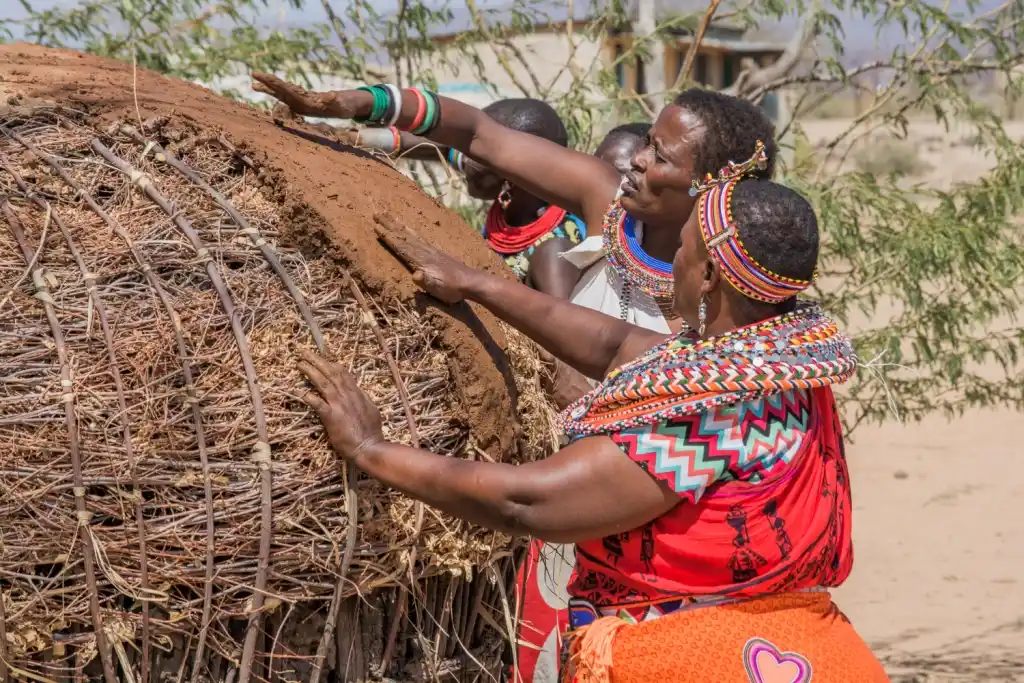
In 1990, Rebecca and 14 other women – survivors of rape, domestic violence, and those fleeing child marriage – pooled their resources and founded Umoja. They built homes from cow dung and earth, surrounded by thorns and barbed wire for protection. Men from neighboring villages were furious. They established rival villages nearby to disrupt Umoja's tourist business. They filed court cases. In 2009, Rebecca's former husband led an armed attack on the village, forcing women to flee temporarily. But Umoja survived. The women eventually bought the land their male rivals occupied. Today, they own the village land outright – a revolutionary achievement in Samburu society.
We, as women, are just like rubbish to our husbands. But in Umoja, we have equal status, we make our own decisions, and we own our lives.
In Samburu culture, women are considered property of their fathers and husbands, unable to own land or livestock – Umoja's land ownership is revolutionary.
🏘️ Life in Umoja Today
Walking into Umoja village, you're struck by the ordinariness of the scene – children playing, women making beadwork, the smell of cooking fires. Yet beneath this normalcy lies an extraordinary social experiment. Men are not allowed to live in Umoja. Male visitors can enter during the day, and boys raised in the village can stay until age 18, but adult men cannot reside here. This rule isn't about hating men – it's about creating space for healing and safety after trauma.
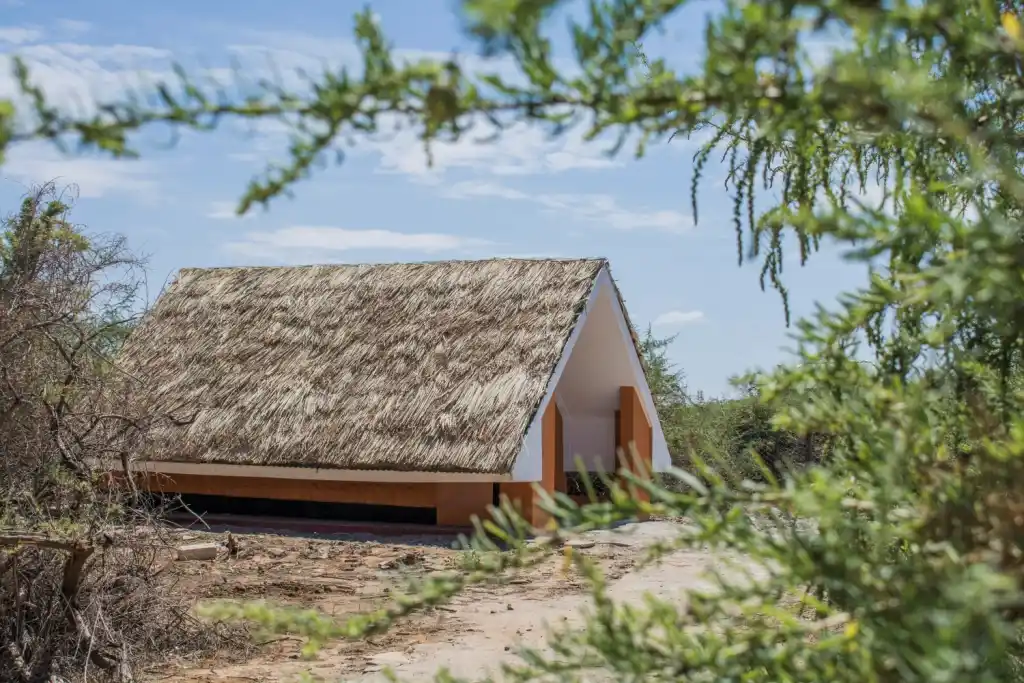
The village operates as a democracy. Decisions are made collectively under the 'tree of speech' – a gathering place where all women have equal voice regardless of age or status. Rebecca Lolosoli serves as chairperson, but her authority derives from respect, not hierarchy. Women vote on major decisions: who can join the community, how to allocate communal funds, disputes between residents, and economic strategies. Every woman contributes 10% of her earnings as a village tax, funding the school and supporting members in need.
Daily life revolves around beadwork, gardening, and tourism. Women craft the colorful Samburu beadwork – necklaces, bracelets, and decorative items that tourists purchase. They tend vegetable gardens irrigated by the village borehole (which includes a sophisticated water desalination system installed with donor support). They manage the campsite for visitors to Samburu National Reserve. Children attend the Umoja Muehlbauer Academy, the village's primary school. In the evenings, women gather to share meals, tell stories, and sing traditional Samburu songs – community bonds that provide emotional support as essential as economic security.
Village Rules & Structure
Umoja operates as a true democracy – all decisions made collectively under the 'tree of speech' where every woman has equal voice.
💰Economic Independence Through Tourism
Umoja's survival depends on economic self-sufficiency. In Samburu culture, women without male guardians are destitute – unable to own cattle, access credit, or inherit property. Umoja women had to create their own economy from scratch. They started by selling vegetables bought from others, but this proved unsustainable. Turning to traditional crafts, they began making beadwork for tourists. The Kenya Wildlife Services noticed their initiative and connected them with successful women's craft groups elsewhere in Kenya for mentorship. The Ministry of Culture and Kenya's Heritage and Social Services offered additional support.
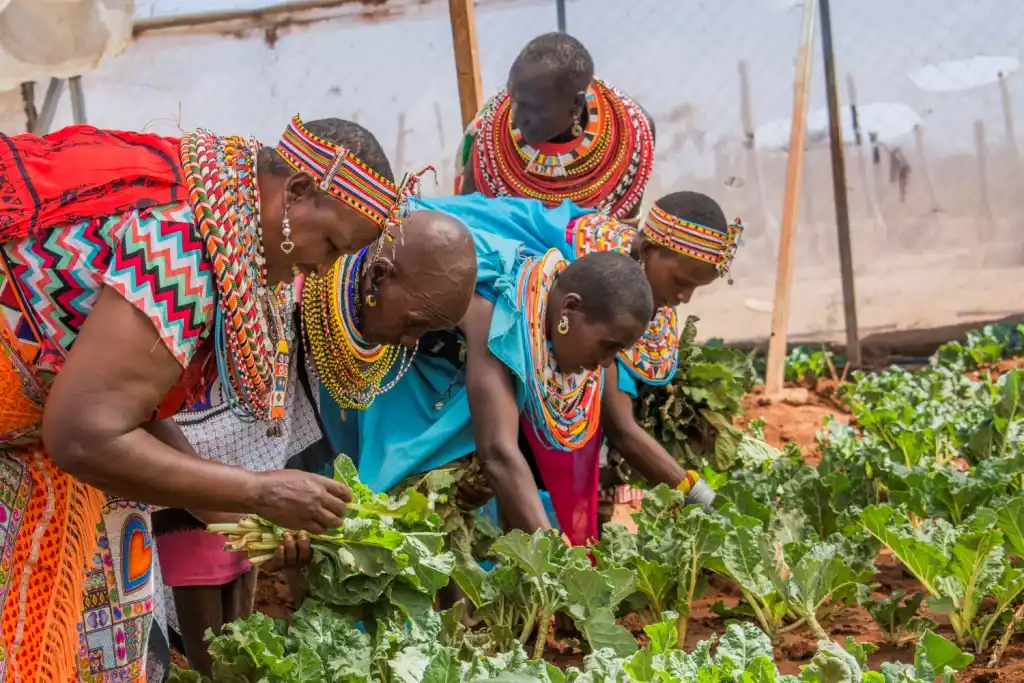
The breakthrough came when Umoja established the Umoja Uaso Campsite adjacent to Samburu National Reserve. Tourists visiting Samburu can stay overnight in traditional bandas (huts) built by the women, sleeping in authentic surroundings while directly supporting the community. The campsite offers basic but comfortable accommodations: simple beds, clean facilities, and incredible hospitality. Guests wake to the sight of Mount Kenya in the distance and wildlife sounds echoing from the nearby reserve. The women prepare traditional Samburu meals and demonstrate beadwork techniques. It's cultural immersion that benefits both visitors and the community.
Beadwork sales remain crucial. The jewelry is sold on-site at the village, at local markets, and through their international online shop (umojajewellery.com) which ships authentic Samburu beadwork worldwide. Each piece is handmade using traditional patterns passed down through generations – the same designs Samburu women have worn for centuries. Purchasing beadwork provides direct income to the woman who crafted it (minus the 10% community tax). For many women, this represents the first money they've ever earned and controlled themselves. Whether you visit in person or order online, every purchase directly supports women's independence and funds the village school.
The COVID-19 pandemic devastated Umoja's tourism income. When travel restrictions emptied the campsite in 2020, women relied on savings and returned to subsistence farming. "After this disease came, tourists no longer come, and we have to think of other ways to survive," explained Jane Nolmongen, one of the original residents. The pandemic exposed the vulnerability of tourism-dependent communities, but also demonstrated Umoja's resilience – the women adapted, supported each other, and survived until visitors returned.
How Tourism Supports Umoja
Umoja's campsite offers tourists authentic cultural immersion while ensuring 100% of profits stay with the women who run it.
🏞️ Breaking the Land Ownership Barrier
Perhaps Umoja's most significant achievement is happening right now: the women are in the process of receiving a community land title from the Samburu County government. This may not sound revolutionary to outsiders, but in Samburu society, it's nothing short of transformative. Women own less than 2% of all titled land in Kenya. Samburu practice communal land tenure, with all decisions made exclusively by male elders. Women have no voice in how land is used, allocated, or sold. They cannot inherit land from fathers or husbands. Upon widowhood or divorce, women are often evicted with nothing.
Umoja women bought a tract of grazing land several kilometers from the village using savings and donations. For years, they used this land informally, but without legal title, they remained vulnerable to disputes with neighboring communities. In 2021, they applied for a community land title – and the county government has been processing their application. If granted (as expected), Umoja women will have legal ownership of land they can pass to their daughters. This creates intergenerational security impossible under traditional systems.
The impact extends beyond Umoja. Henry Lenayasa, the local administrative chief, notes that Umoja's example is inspiring neighboring communities to grant women property rights. "We, as administrators, are guided by the constitution to ensure women get their fair share," he explains. Men in nearby villages are slowly accepting that women can own property without society collapsing. Samuel Leyapem, a 75-year-old man from the neighboring Nashami village, says: "Nowadays, even us here in our village allow women to own property such as cattle and even buy land." Change is slow, but Umoja has proven change is possible.
The village has been a source of support for me, because we have worked together to make progress in our lives and teach each other the importance of women's rights.
Umoja women own their village land outright and are receiving a community land title – in a culture where women own less than 2% of land.
📚Education and the Next Generation
Education is central to Umoja's mission. In traditional Samburu society, children tend livestock rather than attending school. Girls are particularly disadvantaged – many are subjected to FGM around puberty and married off to older men shortly after. Education is seen as unnecessary for girls destined to be wives. Umoja rejects this entirely. The village runs the Umoja Muehlbauer Academy, a primary school accommodating up to 50 children plus a nursery school for younger children.
In 2017, the village launched the P+7 Vulnerable Girls Scholarship program with support from Freundeskreis Umoja e.V. (Friends of Umoja), a German support organization. The program enrolls 20 vulnerable girls each year starting in Grade One, covering all school costs through primary education. If more than 20 sponsors come forward in a given year, excess scholarships go to boys from humble backgrounds – demonstrating that Umoja's mission is about opportunity, not gender warfare. Over 200 children now benefit from the school, many from outside the village whose parents recognize the quality education offered.
Education creates possibility. Jane Nolmongen, one of the original residents, sent all eight of her children to school despite being banished from her husband's home. One son now works in the police force; a daughter is a journalist. "They are now enlightened and can own property any way they want," she says proudly. This is Umoja's long-term strategy: raise a generation that views women's equality as normal, not radical. These children will reshape Samburu society from within.
Umoja women also travel to neighboring villages conducting women's rights education and anti-FGM campaigns. They hold community meetings explaining Kenya's constitution, which guarantees equal property rights for women (even if reality lags far behind). They share their experiences showing that women can survive and thrive independently. When women leave Umoja to reunite with husbands, other residents follow up to ensure they're treated with dignity and retain property rights. Umoja functions as both sanctuary and activist organization.
Education Impact
Over 200 children now attend Umoja's school – education is breaking the cycle of poverty and inequality for the next generation.
🦒Visiting Umoja Responsibly
For safari travelers visiting northern Kenya, Umoja offers a profound complement to wildlife viewing. Samburu National Reserve – famous for its elephants, Grevy's zebras, reticulated giraffes, and gerenuk – lies just a few kilometers away. A visit to Umoja can be incorporated as a half-day cultural experience, or travelers can stay overnight at the Umoja Uaso Campsite. Either way, visitors gain insight into contemporary Kenyan life beyond the postcard images of wildlife and warriors.
Responsible tourism is crucial. Umoja is not a human zoo or poverty tourism attraction. Women deserve dignity, not pity. Visitors should approach with respect: ask permission before photographing, purchase beadwork at fair prices without aggressive bargaining, and listen to women's stories without judgment. The village tour typically includes a welcome ceremony, explanations of Umoja's history and mission, demonstrations of beadwork and traditional practices, and opportunities to purchase crafts. Women speak candidly about violence, trauma, and recovery – these conversations can be uncomfortable but are deeply educational.
Staying at the campsite provides more immersive experience. Guests sleep in traditional bandas, eat meals prepared by Umoja women, and participate in evening gatherings around the fire. The campsite has basic facilities: simple beds, shared bathrooms, and limited electricity. It's rustic, but that's part of the authenticity. You're not staying at a corporate lodge – you're being hosted by a community. Mornings can include visits to– featuring vibrant reds, blues, greens, and oranges in intricate patterns – makes beautiful souvenirs and meaningful gifts. Each necklace, bracelet, or decorative piece tells a story of resilience and empowerment. You can purchase directly at the village during your visit, or order online from anywhere in the world at umojajewellery.com. Everyly sitting with women as they work on beadwork and share stories.
Purchasing beadwork is one of the most direct ways to support Umoja. The colorful Samburu jewelry makes beautiful souvenirs and each purchase provides income to the woman who created it. The village also accepts donations (contact information available on their website: umojawomen.or.ke), though supporting their social enterprises (campsite, beadwork) creates more sustainable impact than charity alone. The goal is economic independence, not perpetual dependence on donor aid.
How to Visit Umoja
Staying at Umoja's campsite ensures 100% of tourism revenue directly supports the women and children who run it.
🌍Why Umoja Matters for Safari Travelers
Safari travel at its best is about more than wildlife photography and luxury lodges. It's about connection – to landscapes, ecosystems, cultures, and the people who share space with wildlife. Umoja provides that human dimension often missing from traditional safaris. You'll learn about contemporary challenges facing pastoral communities: land rights, gender inequality, education access, and balancing tradition with modernity. You'll meet women who have survived unimaginable trauma and built something extraordinary from the ruins.
Umoja also challenges stereotypes about Africa. Western media often portrays African women as helpless victims needing rescue. Umoja women are neither victims nor charity cases – they're entrepreneurs, activists, educators, and agents of change. They've created economic independence, challenged patriarchal systems, and educated a new generation. They've done this without abandoning Samburu culture entirely – women wear traditional dress and beadwork, speak their language, and maintain cultural practices that don't harm them (while rejecting those that do, like FGM).
Umoja women aren't waiting to be rescued – they've rescued themselves and are now showing other communities how to embrace gender equality.
For travelers concerned about tourism's impact, Umoja demonstrates the positive potential of responsible cultural tourism. Your visit provides income, your purchases support livelihoods, and your interest validates the importance of women's rights work. You leave with deeper understanding, they gain economic benefit – it's exchange, not exploitation.
The Broader Context
Umoja exists within a larger movement toward women's land rights in Kenya and across Africa. Kenya's 2010 constitution guarantees equal property rights, but implementation remains inconsistent, especially in rural areas governed by customary law. Organizations like the Kenya Land Alliance and Human Rights Watch document persistent gender inequality in land ownership. Umoja demonstrates that change is possible when women organize collectively and create economic alternatives to male-dominated systems.
The village also connects to broader conversations about gender-based violence in East Africa. Kenya outlawed FGM in 2011, yet the practice continues in pastoralist communities like the Samburu. Domestic violence remains widespread, often going unreported due to social stigma and lack of legal recourse. Umoja provides sanctuary for women who would otherwise have nowhere to turn – a safety net that shouldn't need to exist but absolutely does.
Planning Your Northern Kenya Safari with Umoja
A visit to Umoja can be incorporated into multi-day northern Kenya safaris combining Samburu National Reserve, Ol Pejeta Conservancy (rhino sanctuary), Laikipia Plateau ranches, and Mount Kenya region. The area offers dramatically different landscapes from the Serengeti – arid semi-desert, acacia scrubland, and unique wildlife species adapted to dry conditions. While not as famous as Tanzania's parks, northern Kenya rewards adventurous travelers with fewer crowds, excellent wildlife, and authentic cultural encounters.
At Porcupine Tours, we believe safari travel should benefit local communities directly. Including Umoja in your itinerary ensures your tourism spending supports grassroots women's empowerment rather than just large lodge corporations. We can arrange campsite stays, village tours, or simply direct travelers to contact Umoja independently. The women speak excellent English and are happy to coordinate visits directly.
💚A Legacy of Resilience
Thirty-five years after its founding, Umoja stands as testament to what's possible when women support each other and refuse to accept oppression. Rebecca Lolosoli's hospital-bed vision has become a thriving community educating hundreds of children, running successful businesses, and inspiring social change across northern Kenya. The village's impact extends far beyond its borders – every time a neighboring village grants land to a woman, every time a girl avoids FGM, every time a survivor finds courage to leave an abusive husband, Umoja's influence is felt.
For safari travelers, Umoja offers something increasingly rare in our curated, sanitized travel world – genuine human connection. You won't leave with only elephant photos and sunset memories (though you'll have those too from nearby Samburu). You'll leave with stories of women like Jane Nolmongen, who sent all eight children to school despite being abandoned by her husband. Like Rebecca Lolosoli, who turned brutal assault into a movement. Like the young mothers raising daughters who will grow up believing women can own land, make decisions, and live without violence.
That's the kind of safari experience that changes you, not just entertains you. And in a world where tourism often exploits local communities rather than empowering them, Umoja shows what's possible when travelers engage thoughtfully and support grassroots initiatives. The next time you're planning a Kenya safari, consider adding Umoja to your itinerary. The elephants of Samburu are magnificent, but the women of Umoja are extraordinary.
Support Umoja
While we at Porcupine Tours primarily operate in Tanzania, we're honored to share Umoja's story with our safari community. Northern Kenya's landscapes and wildlife rival anywhere in East Africa, and Umoja demonstrates the power of tourism to create positive social change. If you're interested in visiting Umoja during a Kenya safari, contact them directly:
- **Phone/WhatsApp:** +254 721 333 524 or +254 721 659 717 - **Email:** witowetu@gmail.com - **Website:** umojawomen.or.ke - **Online jewelry shop:** umojajewellery.com - Shop authentic handmade Samburu beadwork with worldwide shipping
Every campsite stay, every beadwork purchase, every visitor helps ensure Umoja's legacy continues for generations to come. Can't visit in person? Browse their online jewelry collection and support these extraordinary women from anywhere in the world. In a world that too often silences women's voices, Umoja speaks loudly – not through protest, but through the quiet power of building something better.
Original Source: This article is summarized from Umoja Uaso Women's Group.
Read the original article