Quick Takeaways (3 min read)
- ▸Arusha is the gateway to all Northern Circuit safaris in Tanzania
- ▸Central Market offers authentic African experience - arrive morning for best atmosphere
- ▸Clock Tower marks the midpoint between Cairo and Cape Town
- ▸Local cuisine highlights: nyama choma, mishkaki, and world-class Tanzanian coffee
- ▸Best explored on arrival day before safari - perfect for jet lag recovery
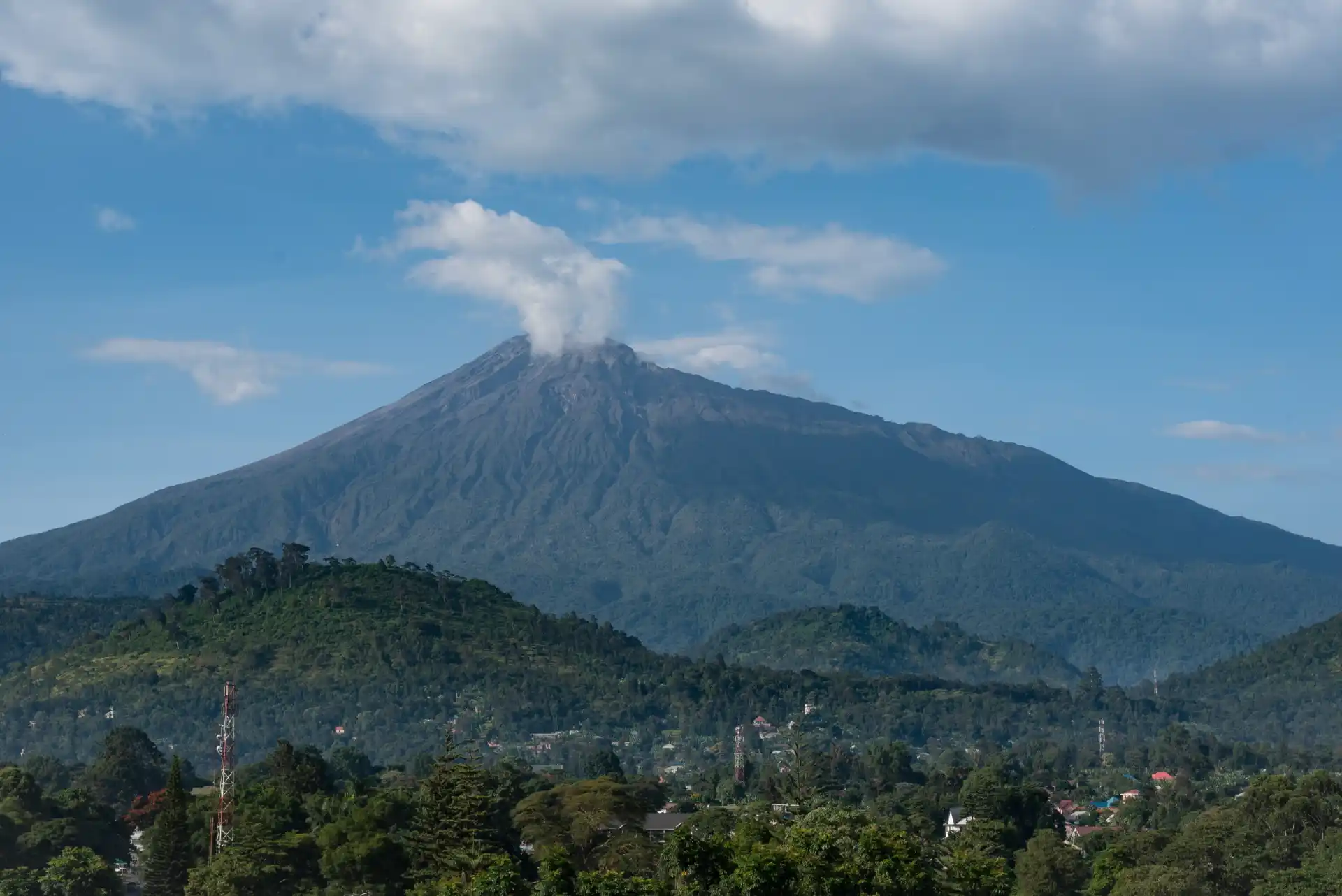
Arusha sits at the foot of Mount Meru, surrounded by coffee and banana plantations, serving as the starting point for nearly every Northern Circuit safari in Tanzania. Yet most visitors see nothing more than their hotel lobby before being whisked off to the Serengeti. That's a missed opportunity – Arusha offers an authentic glimpse into everyday Tanzanian life that perfectly complements the wilderness experiences to come.
The Central Market: Africa Unfiltered
Arusha's Central Market is a sensory explosion that no shopping mall could ever replicate. Located in the heart of town, this sprawling maze of stalls sells everything imaginable: pyramids of tomatoes and mangoes, fragrant spices piled in colourful mounds, freshly butchered meat, secondhand clothes from Europe, Chinese electronics, and traditional medicines. The market is loud, crowded, and occasionally overwhelming – but it's real Africa. Come in the morning when it's busiest, keep your valuables secure, and don't be afraid to practice your Swahili greetings. Vendors appreciate the effort, even if it's just 'Jambo!' and 'Asante sana!'
![The vibrant stalls of Arusha's Central Market]
[IMAGE:arusha-market-1.webp:Local vendors at Arusha's bustling Central Market](/_next/image?url=%2Fimages%2Farusha-market-2.webp&w=3840&q=75)
The Maasai Market & Curio Shops
For souvenirs and crafts, the Maasai Market (held on specific days, ask your guide) offers traditional beadwork, carvings, fabrics, and artwork directly from local artisans. Bargaining is expected and part of the fun – start at about 40% of the asking price and work toward a fair middle ground. The Cultural Heritage Centre on the outskirts of town offers a more curated (and pricier) shopping experience with museum-quality pieces and a sculpture garden. For authentic Tanzanite, visit reputable dealers near the Clock Tower – Arusha is the gateway to the world's only Tanzanite mines near Mererani.
Food: Beyond Hotel Buffets
Skip the hotel restaurant and taste real Tanzanian cuisine. Nyama choma (grilled meat, usually goat or beef) is the national obsession – locals gather at outdoor spots to share platters with ugali (maize porridge) and kachumbari (fresh tomato and onion salad). For street food, try mishkaki (grilled meat skewers), chipsi mayai (chips omelette), or fresh tropical fruits from market vendors. Coffee lovers should seek out locally roasted Tanzanian coffee – some of the world's finest Arabica grows on the slopes of Mount Meru and Kilimanjaro right outside town. Several cafes now offer proper espresso-based drinks using these exceptional beans.
The Natural History Museum & Clock Tower
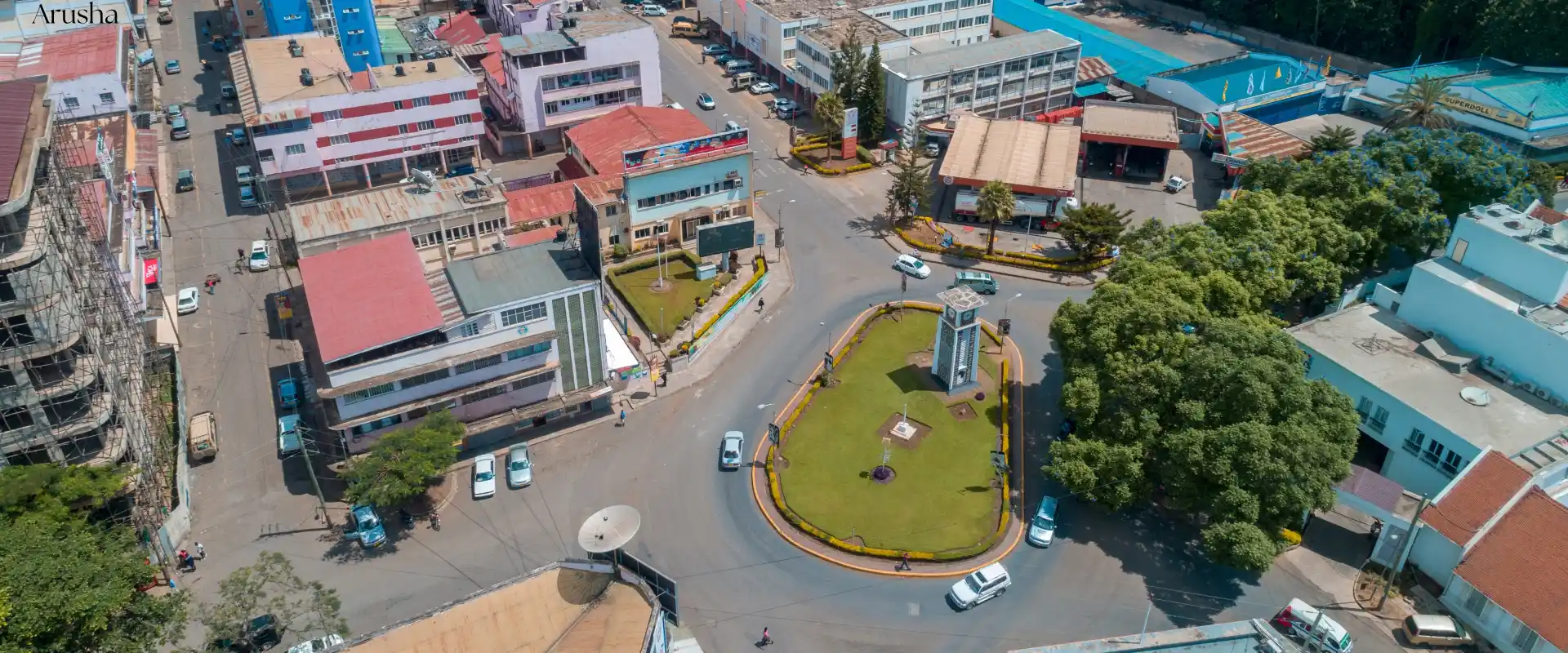
The Arusha Declaration Museum (formerly Natural History Museum) provides context for Tanzania's journey from colonialism to independence, including the famous Arusha Declaration where Julius Nyerere outlined his vision for African socialism. The displays may be modest, but they offer genuine insight into the country you're visiting. Nearby, the Clock Tower marks the supposed midpoint between Cairo and Cape Town – a perfect photo opportunity. The surrounding streets bustle with everyday commerce: tailors, mobile phone shops, and countless small businesses that keep the city running.
Practical Tips for Exploring
Arusha is safe for walking during daylight, but use common sense: don't flash expensive cameras or phones, and consider hiring a local guide for market visits. Many tour operators (including us!) can arrange a half-day Arusha city tour before or after your safari. It's best done on arrival day – you'll be jet-lagged anyway, and the energy of the markets is a wonderful antidote. A few hours in Arusha provides essential context: these are the communities that support Tanzania's safari industry, and understanding their daily lives enriches your entire journey.
Written by Porcupine Tours — Your local Tanzania safari experts
Get in touch to plan your safari