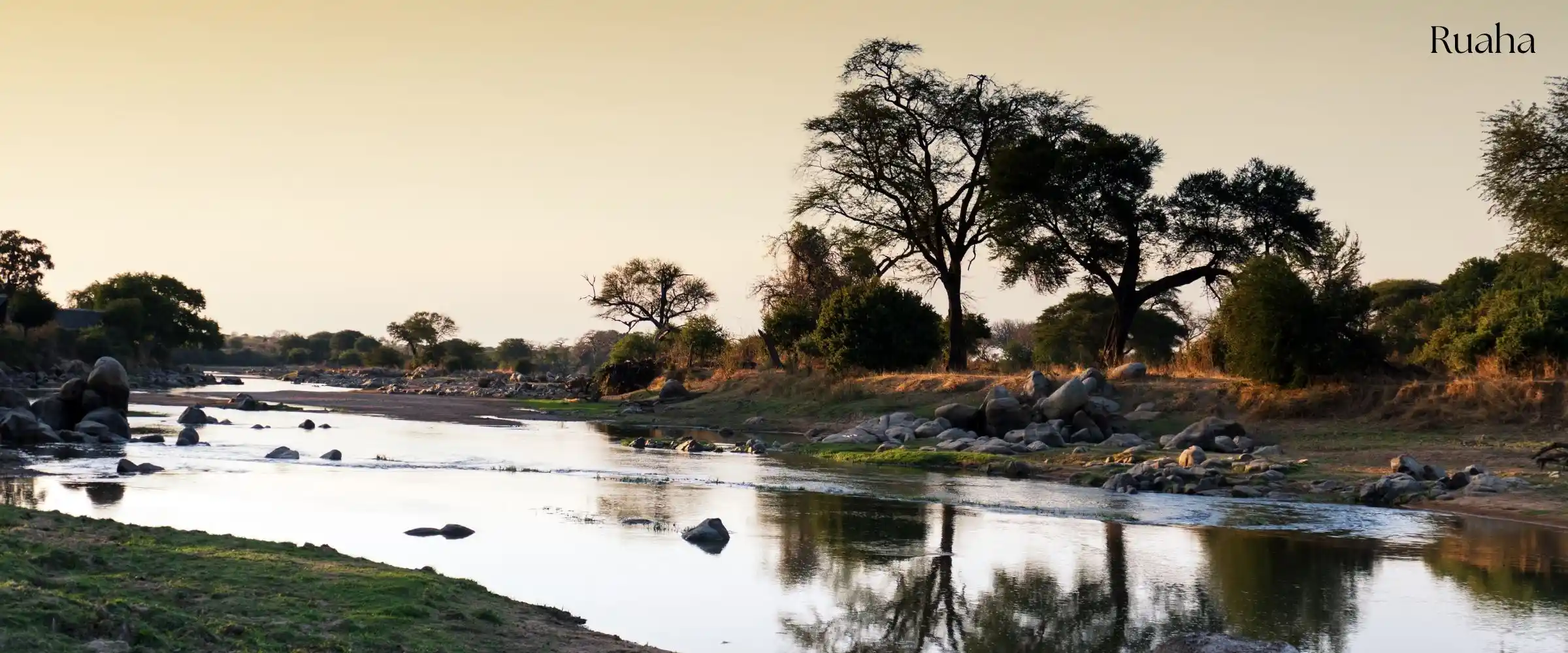
Ruaha National Park Safari
Tanzania's Premier Wildlife Destination
Explore Tanzania's largest and wildest national park, covering 20,226 square kilometers of pristine wilderness. Home to 10% of the world's lion population and the third-largest wild dog population globally, Ruaha offers exceptional predator viewing alongside massive elephant and buffalo herds in raw, uncommercial solitude.
Why Choose a Ruaha National Park Safari?
Ruaha National Park is Tanzania's largest and most untamed wilderness - a vast, remote sanctuary where authentic safari experiences unfold far from the crowds. At 20,226 km², it's nearly twice the size of Serengeti, yet receives only 5,000 visitors annually compared to Serengeti's 150,000. The legendary Great Ruaha River carves through ancient baobab forests and rocky escarpments, creating a spectacular backdrop for one of Africa's greatest concentrations of elephants and the world's third-largest wild dog population. This is wild Africa as it was meant to be experienced.
Ruaha National Park Safari Highlights
Regions to Explore
Mwagusi Sector
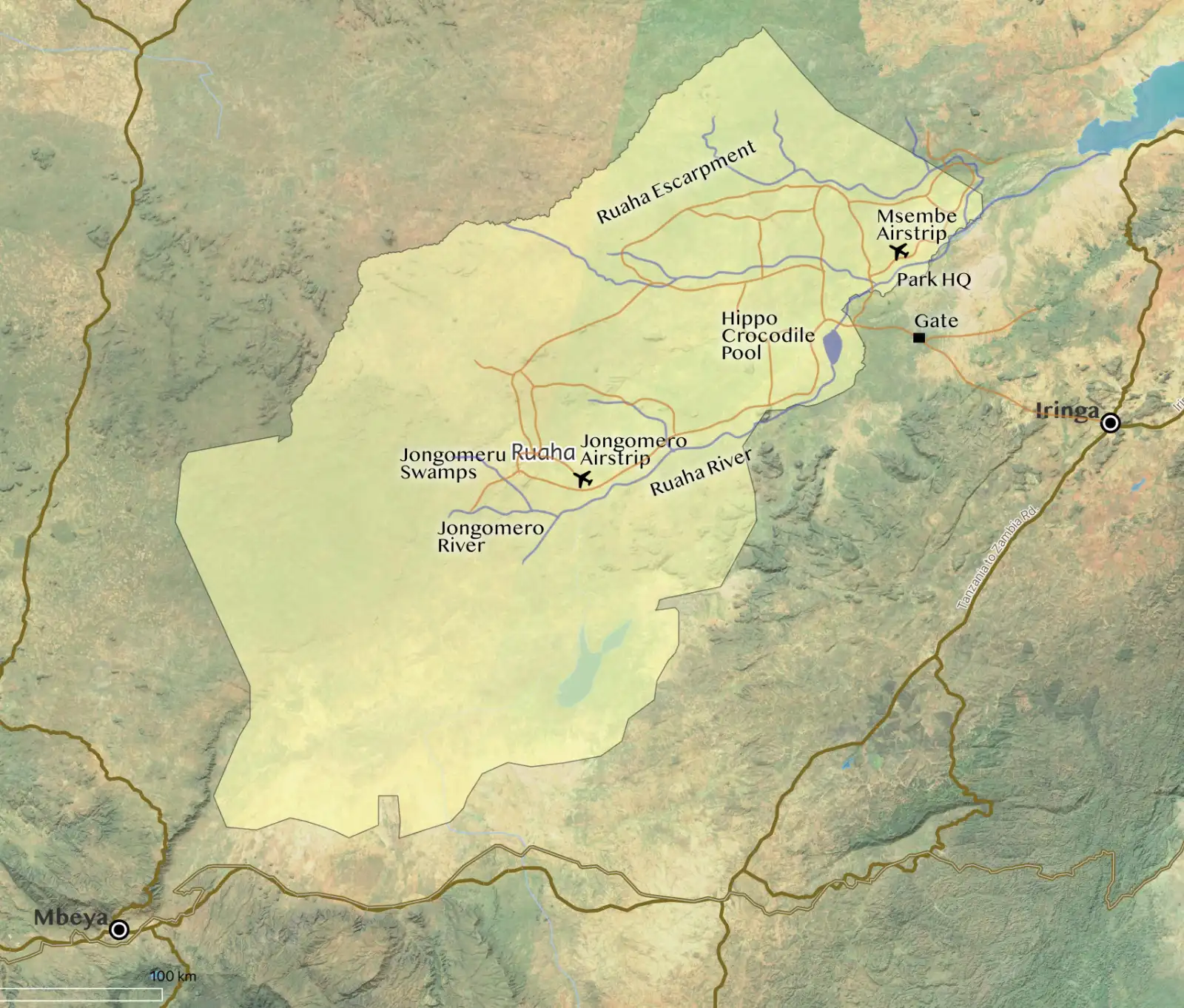
The undisputed heart of Ruaha's predator kingdom. Multiple lion prides dominate this area, with some groups specializing in hunting buffalo and giraffes. The Mwagusi River creates natural game corridors, delivering world-class wildlife viewing throughout the dry season. Photography opportunities here are exceptional - particularly at sunrise when golden light illuminates the ancient baobabs.
Great Ruaha River Valley
The park's magnificent 160km lifeline, cutting through dramatic gorges and ancient rock formations. As the dry season intensifies (July-November), the river's remaining pools become wildlife theaters - hippos jostle for space, massive crocodiles patrol the shallows, and endless herds of elephants gather at dawn and dusk. This is where Ruaha's 12,000+ elephants showcase nature's greatest spectacle.
Jongomero & Mdonya Plains
The remote southern wilderness where wild dogs reign supreme. These vast golden grasslands offer phenomenal predator encounters in near-complete solitude. Wild dog packs, often 20+ strong, hunt across the plains in spectacular coordinated attacks. Cheetahs exploit the open terrain, and huge buffalo herds create dust storms visible for miles. True safari adventure awaits here.
Ruaha Escarpment
Towering rocky ridges and granite kopjes providing commanding vistas across the wilderness. This dramatic landscape harbors species rarely seen elsewhere - greater and lesser kudu with their magnificent spiral horns, shy sable and roan antelope. The escarpment offers breathtaking sunrise and sunset viewpoints where the entire park seems to stretch to infinity.
Park Layout & Key Areas
Explore Tanzania's largest and wildest national park
Activities & Experiences
Did You Know?
Size: 20,226 km² - Tanzania's largest national park (nearly double Serengeti's size)
Established: 1964, massively expanded in 2008 from 10,300 km² to current size
Elephants: 12,000+ - Tanzania's largest elephant population in a single park
Lions: Home to approximately 10% of East Africa's total lion population
Wild dogs: Third-largest population globally - regular sightings of hunting packs
Rare antelope: One of few places to see greater kudu, lesser kudu, sable, and roan
Birds: 574 recorded species (475+ residents) - serious birder's paradise
Biogeography: Unique crossroads where Eastern and Southern African fauna overlap
Visitors: Only 5,000 annually compared to Serengeti's 150,000 - true wilderness
The name: 'Ruaha' means 'Great River' in the local Hehe language
River system: 160km of the Great Ruaha River flows through the park
Baobabs: Ancient baobab forests estimated at 1,000+ years old create iconic landscapes
Planning Your Visit
Recommended Stay
Minimum 3 nights, ideally 4-5 nights to properly explore different sectors and maximize wildlife encounters. Multi-camp stays highly recommended.
Getting There
Daily scheduled flights from Dar es Salaam (2.5 hours), Zanzibar (3 hours via Dar), and Nyerere NP. Connecting flights available from Serengeti and Arusha. Charter flights can be arranged. No road access recommended due to distance and condition.
Accommodation Options
Intimate seasonal tented camps (June-March) from $400-$1,500/night all-inclusive. Outstanding options: Ikuka Safari Camp (luxury), Jongomero (remote south), Mwagusi Safari Camp (classic bush experience), Kichaka Expeditions (walking specialist), Jabali Ridge (dramatic escarpment views). All camps offer exceptional guiding and exclusive concessions.
Important to Know
Primarily dry season destination (June-November peak, December-March good). April-May wet season sees most camps closed. Minimal infrastructure preserves wilderness authenticity. Walking safaris restricted to specific camps due to dangerous game density. Maximum vehicle capacity usually 6 guests. Night drives only permitted in private concessions.
Best Time to Visit
June - November (dry season peak), December-March excellent birding
Wildlife
10% of world's lions, wild dogs, cheetahs, leopards, 12,000+ elephants, buffalo herds, greater and lesser kudu, sable antelope, roan antelope, 500+ bird species
Ruaha National Park Safari Tours & Packages
Explore our carefully crafted itineraries featuring Ruaha National Park
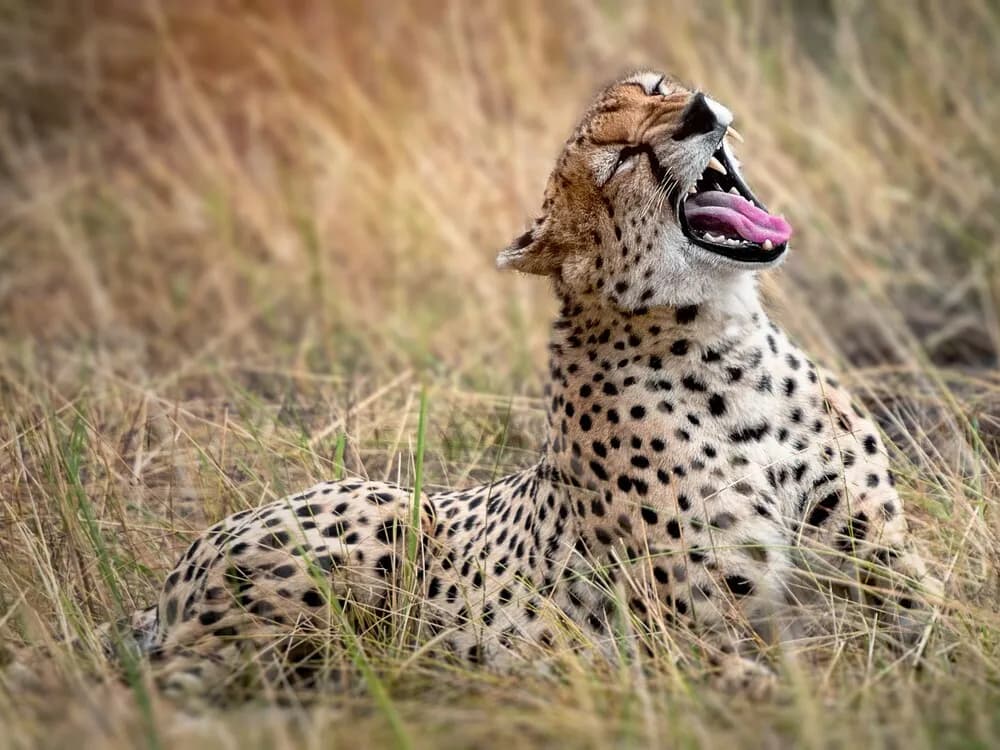
11-Day Safari & Zanzibar
Experience the ultimate Tanzania adventure combining world-class wildlife safaris with pristine tropical beaches. Explore Tarangire, Serengeti, and Ngorongoro Crater, then relax on Zanzibar's stunning beaches.
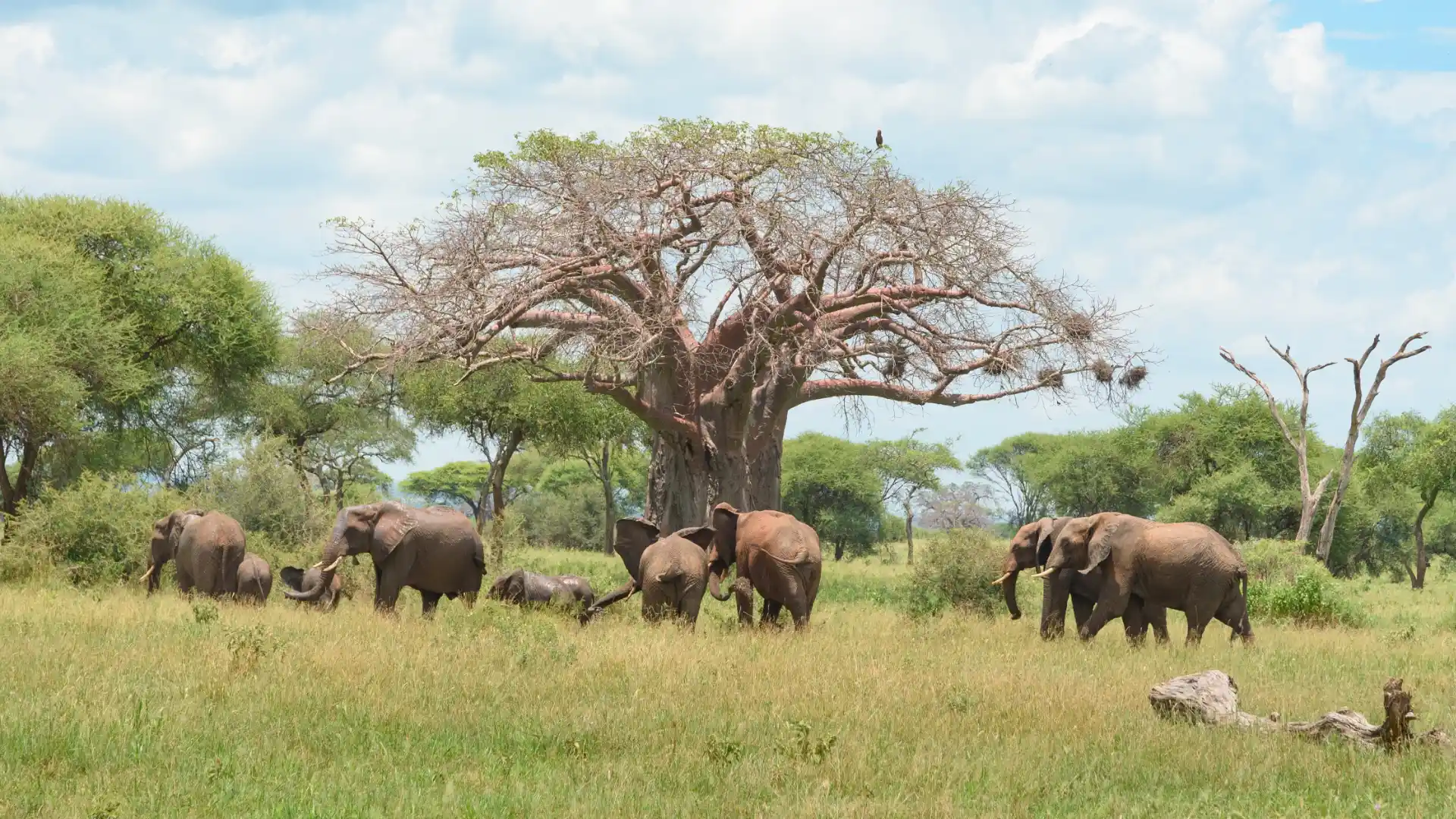
6-Day Jewels of Tanzania
Experience Tanzania's Northern Circuit highlights on this 6-day safari. Tarangire's elephants, Lake Manyara's lions, Serengeti plains and Ngorongoro Crater. From $2,150.
Explore More Tanzania Safari Destinations
Combine Ruaha National Park with these incredible wildlife areas
Mahale Mountains
Western Tanzania
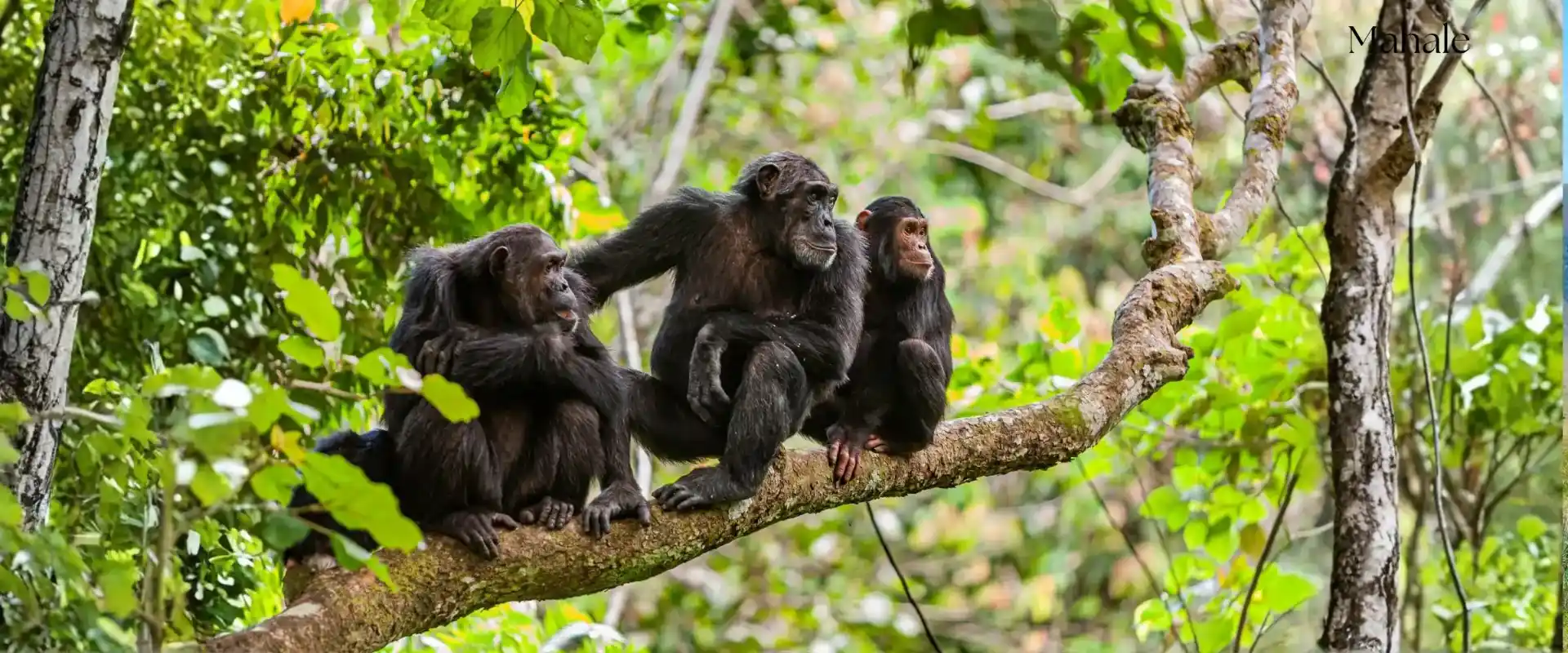
Journey to one of Africa's most remote and spectacular wilderness areas where crystal-clear Lake Tanganyika meets pristine rainforest-clad mountains. Trek through ancient forests to encounter habituated wild chimpanzees in their natural habitat - one of the continent's most profound wildlife experiences. This is barefoot luxury meets genuine adventure.
Nyerere National Park (Selous Game Reserve)
Southern Tanzania
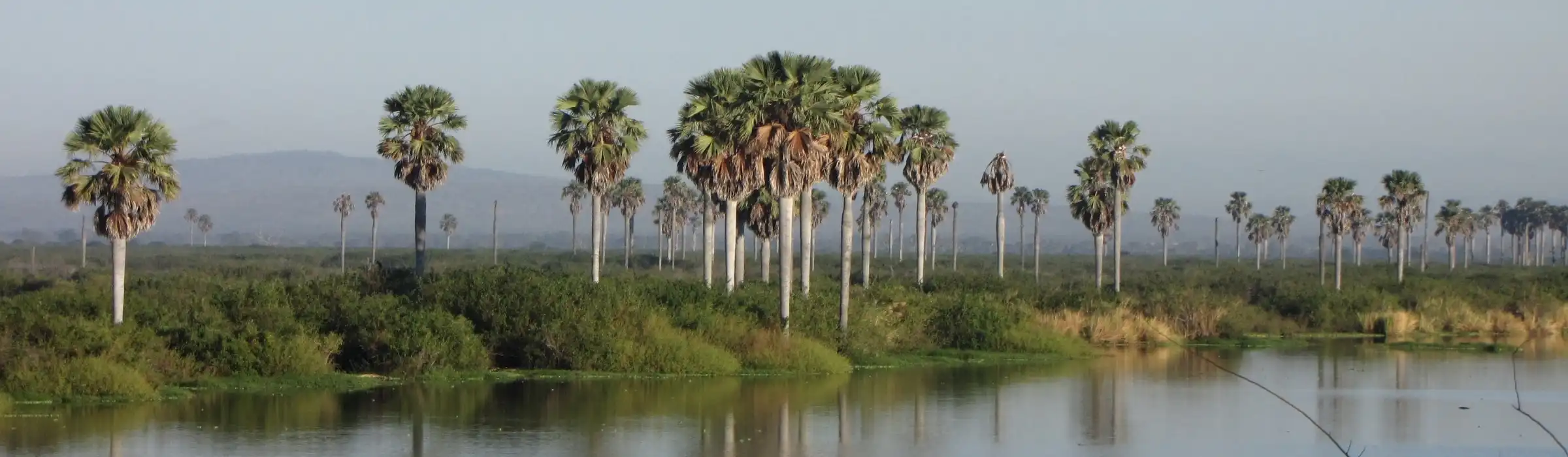
Experience Africa's largest protected wildlife sanctuary - a vast 30,893 km² wilderness where mighty rivers carve through pristine miombo woodlands and wetlands teem with hippos, crocodiles, and elephants. Formerly Selous Game Reserve, now Nyerere National Park honors Tanzania's founding father Julius Nyerere while preserving one of Earth's last great untamed wildernesses.
Experience Ruaha National Park
Contact us to create your personalized safari adventure
Get Your Custom Quote