Nyerere National Park (Selous Game Reserve) Safari
Tanzania's Premier Wildlife Destination
Experience Africa's largest protected wildlife sanctuary - a vast 30,893 km² wilderness where mighty rivers carve through pristine miombo woodlands and wetlands teem with hippos, crocodiles, and elephants. Formerly Selous Game Reserve, now Nyerere National Park honors Tanzania's founding father Julius Nyerere while preserving one of Earth's last great untamed wildernesses.
Why Choose a Nyerere National Park (Selous Game Reserve) Safari?
Nyerere National Park (formerly Selous Game Reserve) is a UNESCO World Heritage Site and Africa's largest protected wildlife sanctuary - four times the size of Serengeti. The mighty Rufiji River system dominates this 30,893 km² wilderness, creating a labyrinth of channels, lakes, and wetlands that support one of Africa's most diverse ecosystems. Unlike the grassland safaris of northern Tanzania, Nyerere offers boat safaris, walking expeditions, and fly camping adventures through pristine miombo woodlands - a truly wild African experience far from tourist crowds. Renamed in 2019 to honor Tanzania's founding father Julius Nyerere, this southern gem protects Tanzania's largest elephant population and exceptional concentrations of wild dogs, lions, and crocodiles.
Nyerere National Park (Selous Game Reserve) Safari Highlights
Regions to Explore
Rufiji River & Lake Manze
The park's magnificent lifeline, carving 250+ kilometers through the wilderness. Boat safaris here reveal Africa's densest hippo and crocodile populations - over 40,000 hippos jostle for space while massive 5-meter Nile crocodiles patrol the banks. Lake Manze, a wide oxbow lake, offers spectacular sunset cruises with elephants bathing, birds fishing, and hippos grunting. This is Selous at its most photogenic.
Lake Tagalala & Siwandu Sector
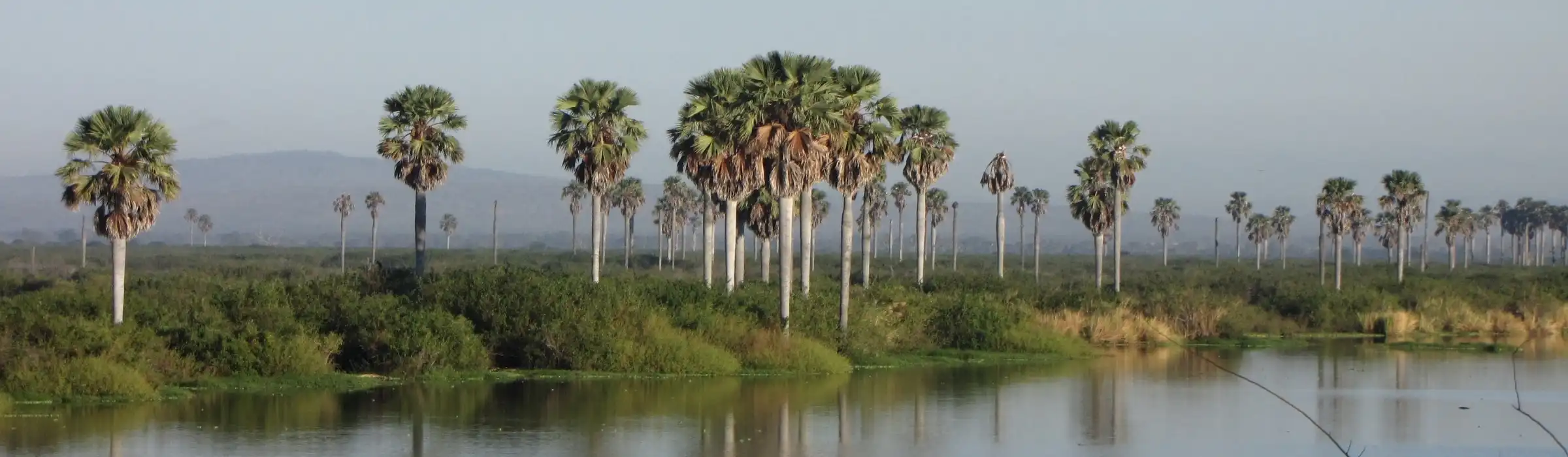
The heart of luxury safari territory north of the Rufiji River. Lake Tagalala attracts huge elephant herds during the dry season, particularly at sunrise and sunset. Premium camps cluster here, offering exceptional game drives through open plains dotted with borassus palms. Wild dog sightings are frequent - this area supports one of Tanzania's strongest populations.
Miombo Woodland Wilderness
Vast ancient forests of Brachystegia trees covering over 70% of the park. This unique ecosystem supports specialized species including sable antelope, Lichtenstein's hartebeest, and incredible birdlife. Walking safaris through miombo reveal Africa's secrets - tracking elephants, identifying spoor, and experiencing the bush on foot with expert armed guides. The ultimate authentic African adventure.
Remote Southern Wilderness
The park's vast southern reaches remain virtually untouched - accessible only by fly camping expeditions and multi-day walking safaris. This is true wilderness where few vehicles venture, offering intrepid adventurers the chance to experience Africa as early explorers knew it. No permanent camps exist here, preserving its pristine character.
Africa's Largest Hippo Population
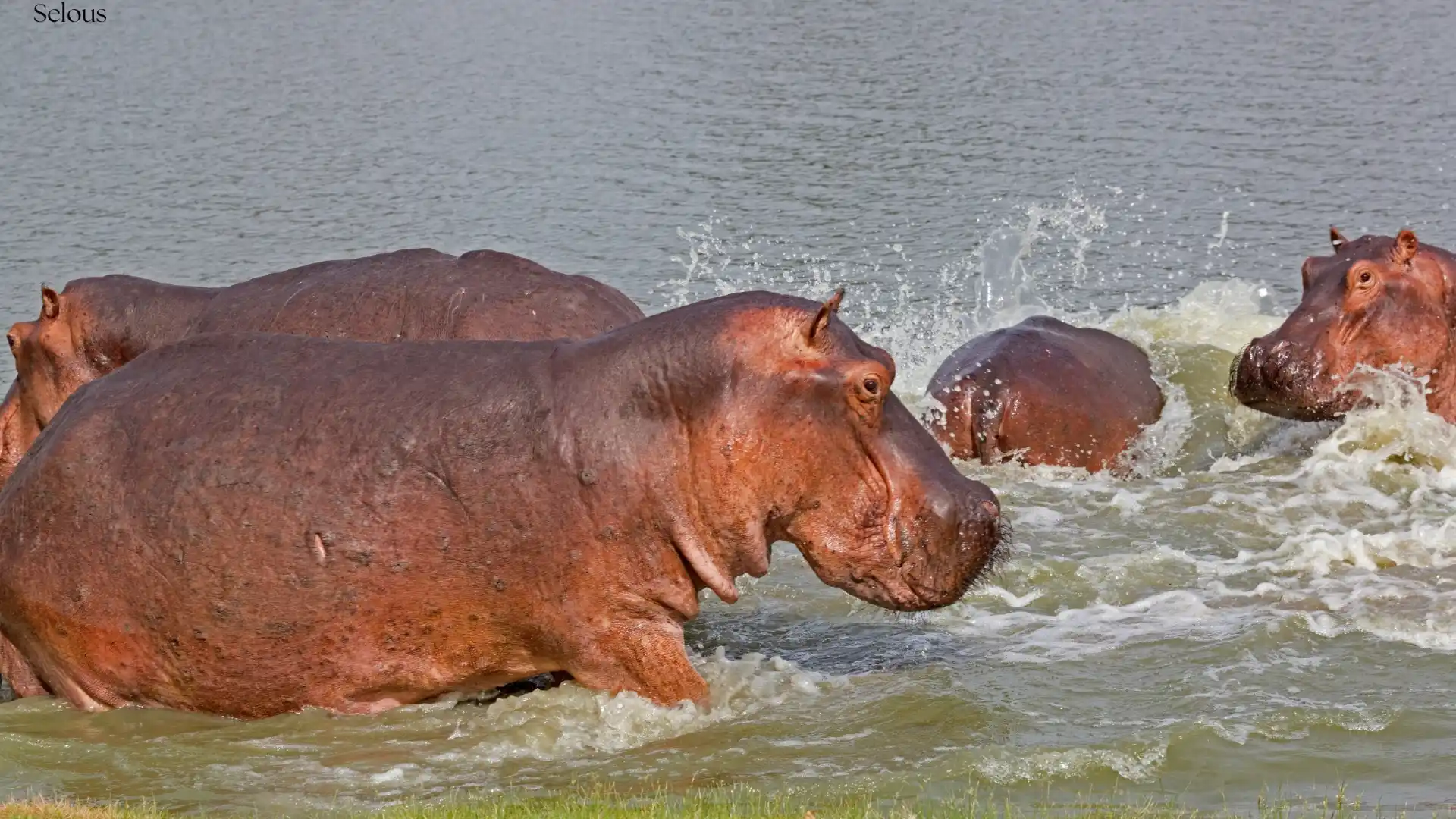
The Rufiji River system supports over 40,000 hippos - one of Africa's densest populations. Boat safaris bring you within meters of massive pods jostling for space, grunting and yawning to display their formidable tusks. These semi-aquatic giants emerge at night to graze, consuming up to 40kg of grass each. Watching hippos from the water offers a unique safari perspective unavailable in most Tanzania parks.
Miombo Woodland Wildlife
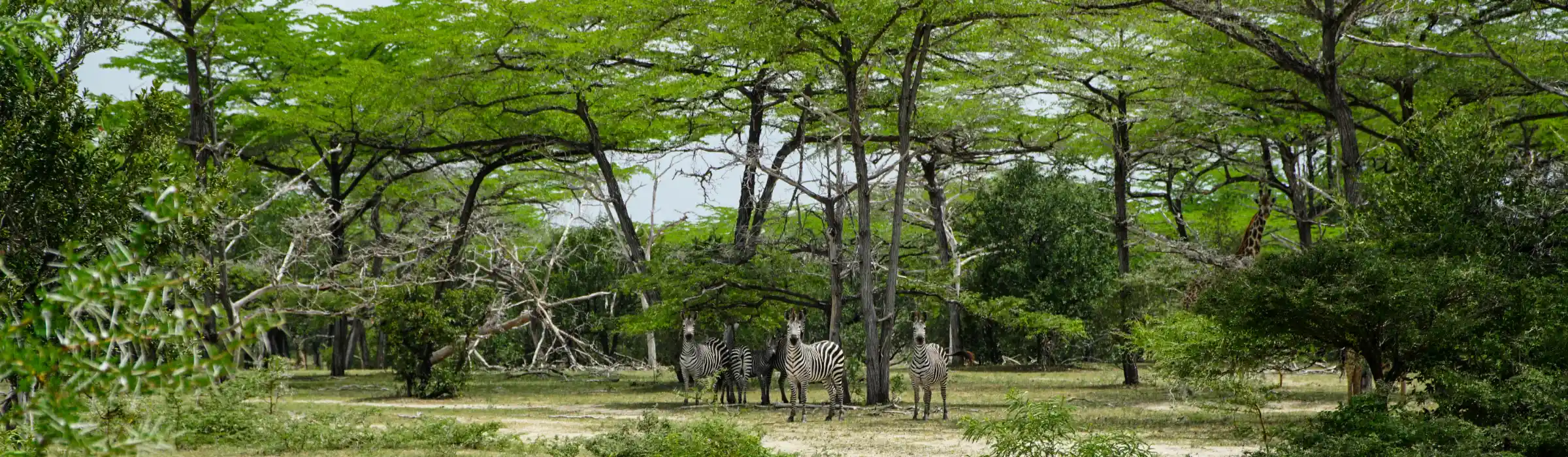
Ancient miombo (Brachystegia) woodlands cover over 70% of Nyerere National Park, creating a dramatically different ecosystem from the grassland savannas of northern Tanzania. These deciduous forests support specialized wildlife including sable antelope, Lichtenstein's hartebeest, and incredible bird diversity. Zebras shelter from midday heat under the dappled shade, while elephants browse on nutrient-rich bark and leaves.
The Mighty Rufiji River
Tanzania's largest river system carves 250+ kilometers through pristine wilderness, creating a labyrinth of channels, lakes, and wetlands. From the air, you witness the Rufiji's immense power - the lifeblood sustaining Africa's largest protected ecosystem. Dense riverine forests line the banks where elephants come to drink, crocodiles patrol, and countless waterbirds fish the shallows.
Lake Manze Wetlands
Lake Manze, a spectacular oxbow lake formed by the meandering Rufiji River, provides some of Nyerere's most photogenic wildlife viewing. Vast wetlands surrounding the lake attract massive elephant herds during dry season, while thousands of waterbirds - pelicans, storks, herons, and kingfishers - fish the shallows. Sunset boat safaris here are unforgettable, with wildlife silhouettes against golden skies.
Africa's Largest Protected Ecosystem
From the air, Nyerere's immense scale becomes apparent - 30,893 km² of pristine wilderness, four times larger than Serengeti. The intricate network of rivers, channels, lakes, and seasonal floodplains creates one of Earth's most complex wetland ecosystems. This UNESCO World Heritage Site remains largely roadless, accessible only by plane, preserving its wild character. Flying over these wetlands reveals elephants, buffalo herds, and the winding waterways that make boat safaris such a unique Selous experience.
Activities & Experiences
Did You Know?
Size: 30,893 km² - Africa's largest protected wildlife area (4x Serengeti)
UNESCO World Heritage Site since 1982 (entire Selous ecosystem)
Elephants: 60,000+ individuals - Tanzania's single largest population
Hippos: Over 40,000 - one of Africa's densest populations
Crocodiles: Massive Nile crocodiles up to 5+ meters long
Wild dogs: ~1,300 individuals - Tanzania's stronghold for this endangered species
Buffalo: 4,000+ Cape buffalo roam the woodlands and plains
Renamed: 2019 from Selous to Nyerere honoring Julius Nyerere
Frederick Selous: British explorer and hunter (1851-1917) after whom it was originally named
Rufiji River: Tanzania's largest river system with 250km flowing through park
Miombo woodland: 70% of park covered in ancient Brachystegia forests
Visitors: Only ~8,000 annually vs Serengeti's 350,000 - pristine wilderness
Planning Your Visit
Recommended Stay
Minimum 3 nights recommended, ideally 4-5 nights to experience boat safaris, walking safaris, and traditional game drives. Consider multi-camp stays to explore different sectors.
Getting There
Daily scheduled flights from Dar es Salaam (45 mins), Zanzibar (90 mins via Dar), and connections from Ruaha. Charter flights available. Road access possible from Dar (5-6 hours) but flights strongly recommended. Small airstrips throughout park.
Accommodation Options
Seasonal luxury tented camps (June-March) $400-1,200/night all-inclusive. Top choices: Sand Rivers Selous (legendary walking safaris), Siwandu (lakefront luxury), Rufiji River Camp (classic river location), Roho ya Selous (intimate and authentic), Beho Beho (exclusive hilltop views). Most camps offer boat safaris, walks, and drives.
Important to Know
Primarily dry season destination (June-November peak, December-March good). April-May sees heavy rains and most camps close. Northern photographic area only accessible - vast southern hunting blocks remain off-limits. Walking safaris require armed park rangers. Boat safaris dependent on water levels. Night drives permitted in some concessions. Maximum 6 guests per vehicle standard.
Best Time to Visit
June-October (peak dry season), November-March good, avoid April-May (heavy rains)
Wildlife
60,000+ elephants (Tanzania's largest population), wild dogs, lions, leopards, 4,000+ buffalo, 40,000+ hippos, massive Nile crocodiles, giraffes, zebras, sable antelope, 440+ bird species
Nyerere National Park (Selous Game Reserve) Safari FAQs
What's the difference between Selous and Nyerere?
Selous Game Reserve was officially renamed Nyerere National Park in 2019 to honor Tanzania's founding father, Julius Nyerere. The name change also reflected the area's upgrade from game reserve to national park status, providing stronger protection. The northern photographic sector (30,893 km²) is now Nyerere National Park, while southern hunting blocks retain the Selous name. Most safari operators and camps still use both names interchangeably, and you'll see 'Selous/Nyerere' commonly referenced.
How does Nyerere compare to Serengeti?
Nyerere (Selous) offers a completely different safari experience from Serengeti. While Serengeti is famous for grassland plains and the Great Migration, Nyerere showcases rivers, lakes, wetlands, and ancient miombo woodlands. Key differences: Nyerere allows boat safaris and extensive walking safaris (not available in Serengeti); far fewer visitors (8,000 vs 350,000 annually); larger in size (4x Serengeti); warmer climate; and more diverse activities. Both offer Big Five, but Nyerere excels for wild dogs, hippos, and crocodiles.
What are the best activities in Nyerere National Park?
Nyerere's signature activity is boat safaris on the Rufiji River and Lake Manze - gliding past hippos, crocodiles, elephants bathing, and incredible birdlife. Walking safaris here are exceptional, offering 2-6 hour guided walks to track elephants and learn bush skills. Traditional game drives explore miombo woodlands and open plains. Multi-day fly camping expeditions provide authentic wilderness immersion. Fishing (catch-and-release), photography safaris, and cultural village visits round out the experience. The variety of activities exceeds most Tanzania parks.
When is the best time to visit Selous/Nyerere?
The best time for Nyerere safaris is June through October during the dry season when wildlife concentrates around permanent water sources. September-October are peak months with exceptional game viewing but warmer temperatures. November-March offers excellent value with fewer crowds, lush green landscapes, and outstanding birding. January-March sees calving season and predator action. Avoid April-May when heavy rains make access difficult and most camps close.
Is Nyerere suitable for families with children?
Yes, Nyerere is excellent for families, though age restrictions vary by camp. Most lodges accept children 6+ years, while some walking safari specialists require 12+ minimum for safety. Boat safaris are perfect for younger children - safer and more engaging than long game drives. The variety of activities (boats, walks, drives, fishing) keeps kids entertained. Camps like Rufiji River Camp and Siwandu are particularly family-friendly. The relaxed atmosphere and fewer crowds make Nyerere less intimidating than busy Serengeti for family safaris.
Nyerere National Park (Selous Game Reserve) Safari Tours & Packages
Explore our carefully crafted itineraries featuring Nyerere National Park (Selous Game Reserve)
Explore More Tanzania Safari Destinations
Combine Nyerere National Park (Selous Game Reserve) with these incredible wildlife areas
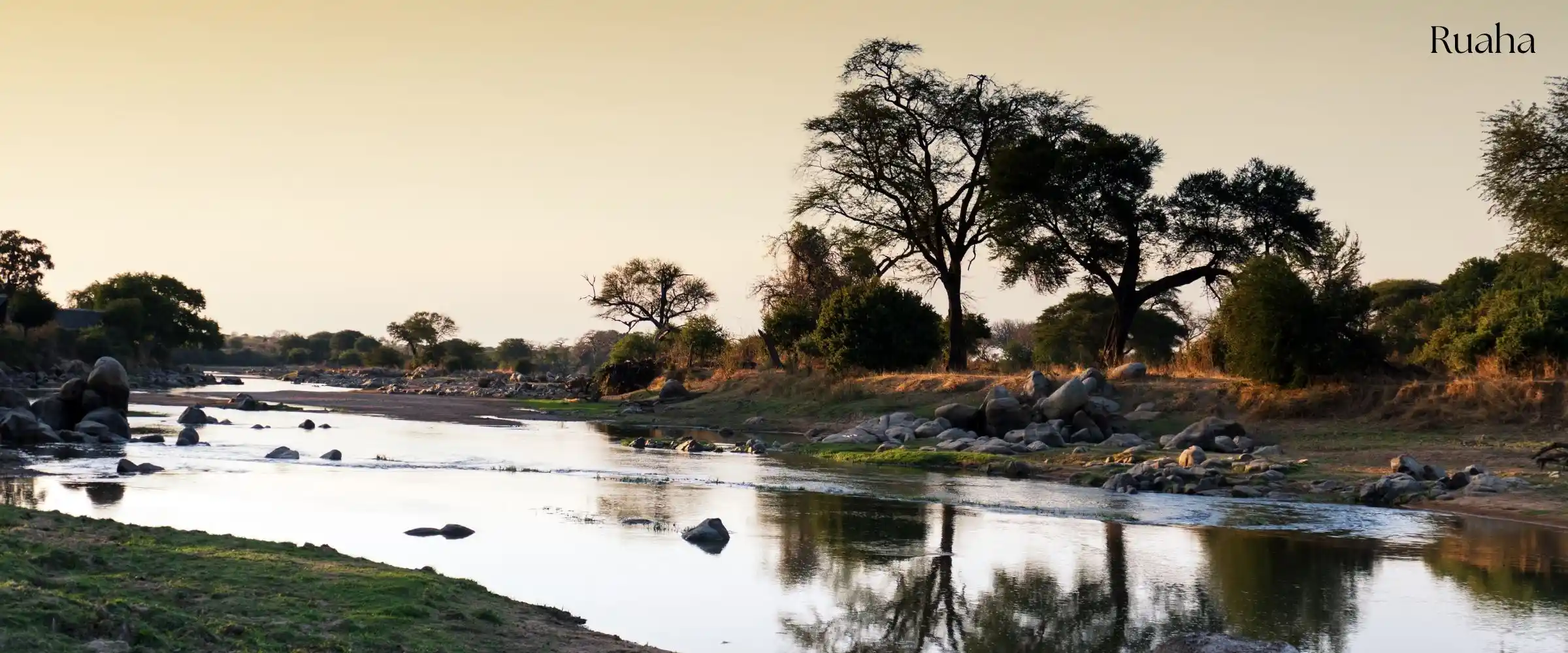
Ruaha National Park
Southern Tanzania
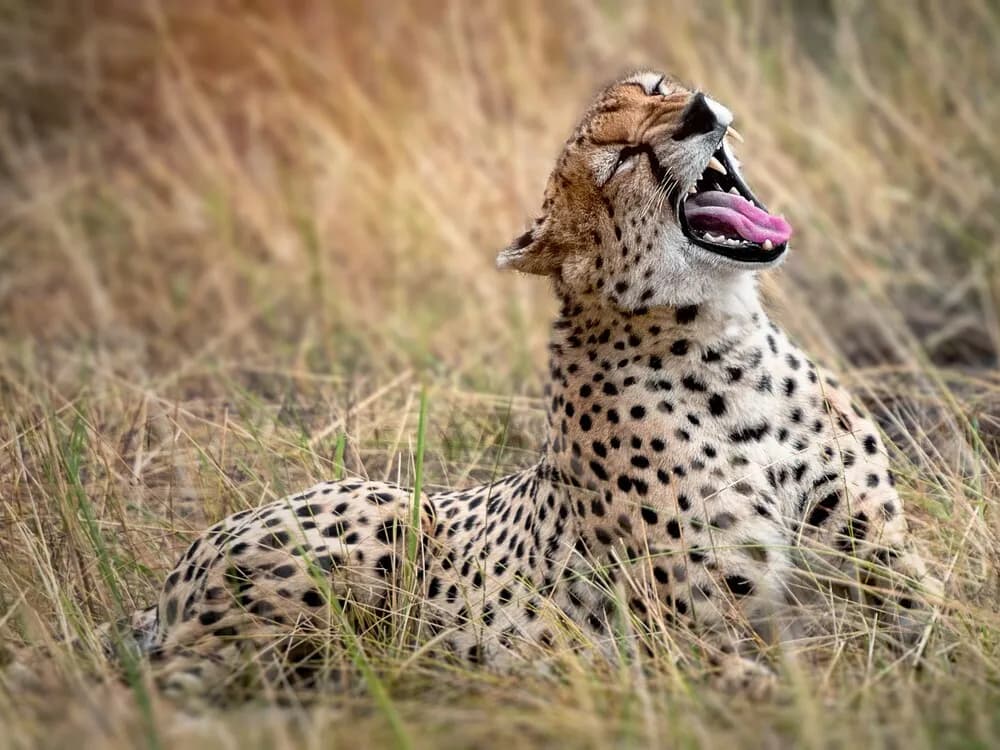
Explore Tanzania's largest and wildest national park, covering 20,226 square kilometers of pristine wilderness. Home to 10% of the world's lion population and the third-largest wild dog population globally, Ruaha offers exceptional predator viewing alongside massive elephant and buffalo herds in raw, uncommercial solitude.
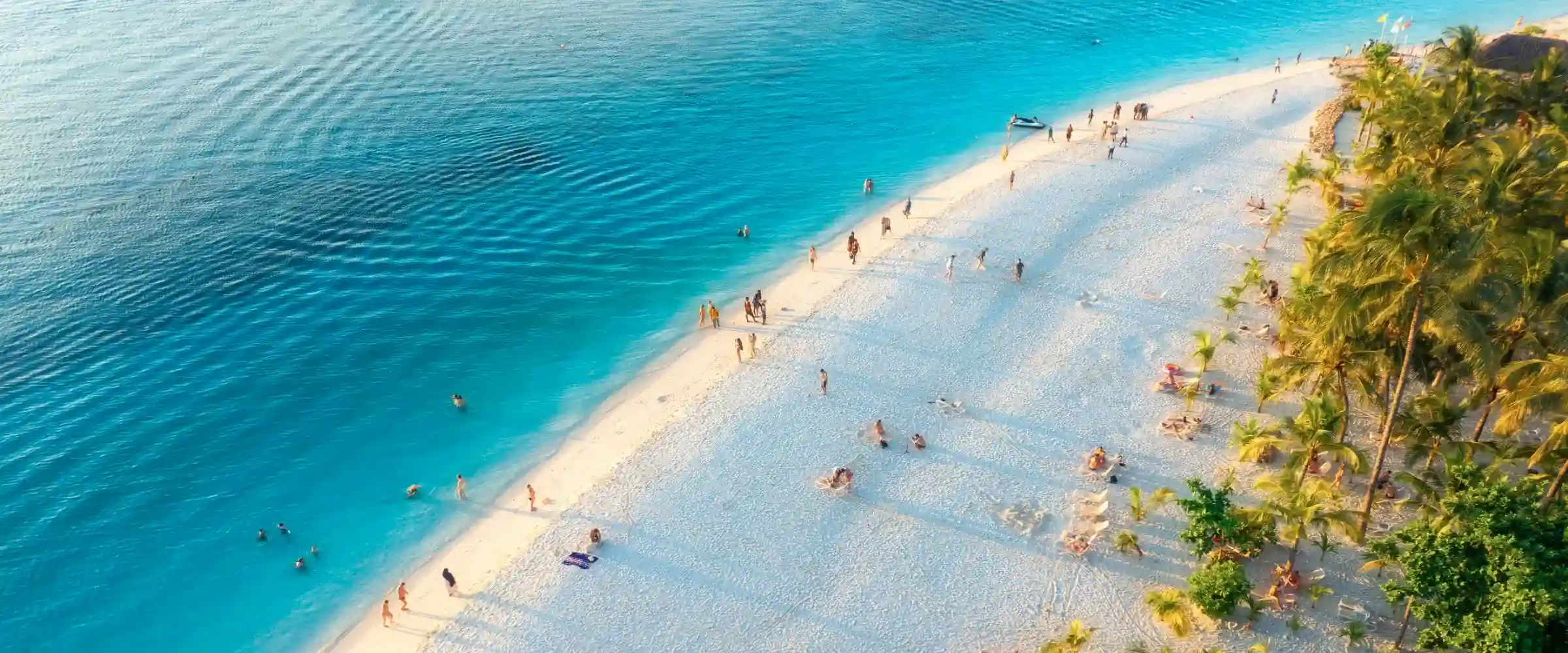
Zanzibar Archipelago
Indian Ocean
Unwind on pristine white sand beaches where turquoise waters meet powder-soft shores. Explore UNESCO-listed Stone Town's ancient streets, discover spice plantations, and immerse yourself in centuries of Swahili culture. The Spice Island offers the perfect complement to any Tanzania safari adventure.
Experience Nyerere National Park (Selous Game Reserve)
Contact us to create your personalized safari adventure
Get Your Custom Quote