Quick Takeaways (15 min read)
- ▸Found ONLY in Tanzania's Merelani Hills – one 20km² patch near Mount Kilimanjaro
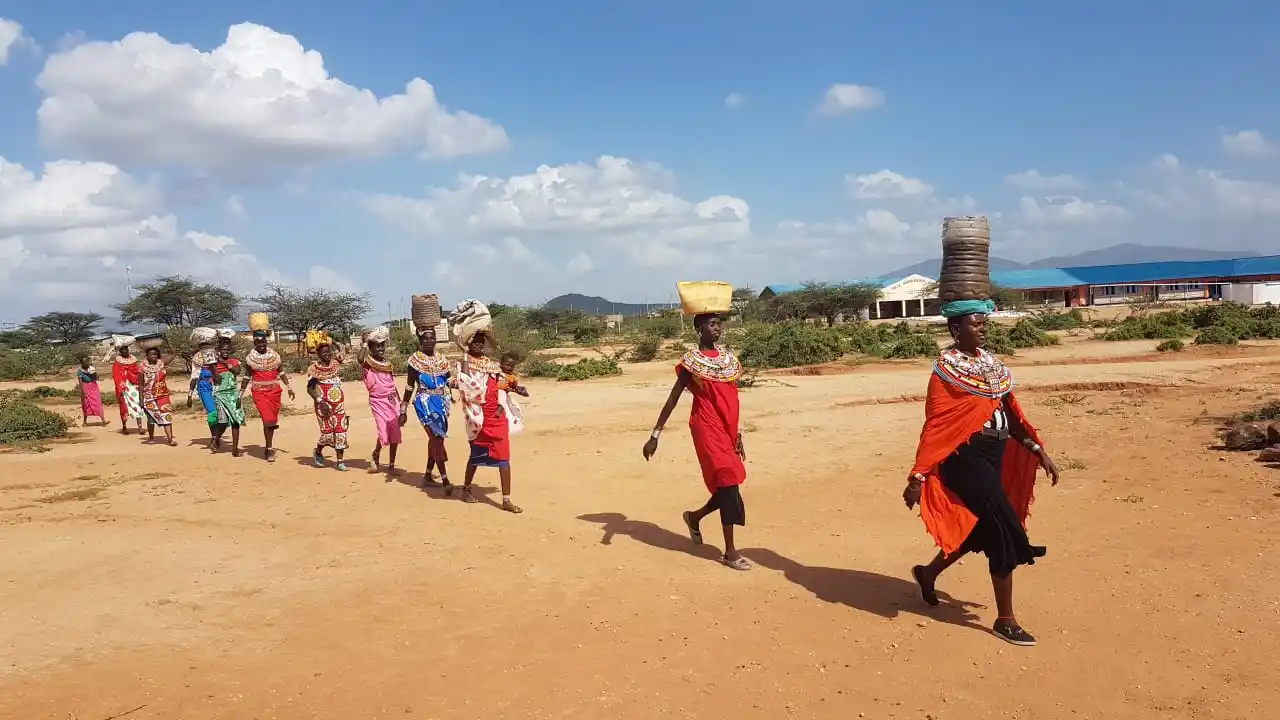
- ▸Discovered in 1967 by Maasai herder Ali Juuyawatu after lightning-sparked grassfire
- ▸1,000x rarer than diamonds – supplies could be exhausted within 20-30 years
- ▸Named by Tiffany & Co. after Tanzania to honor its unique origin
- ▸Color-shifting pleochroism: blue, violet, and burgundy depending on angle
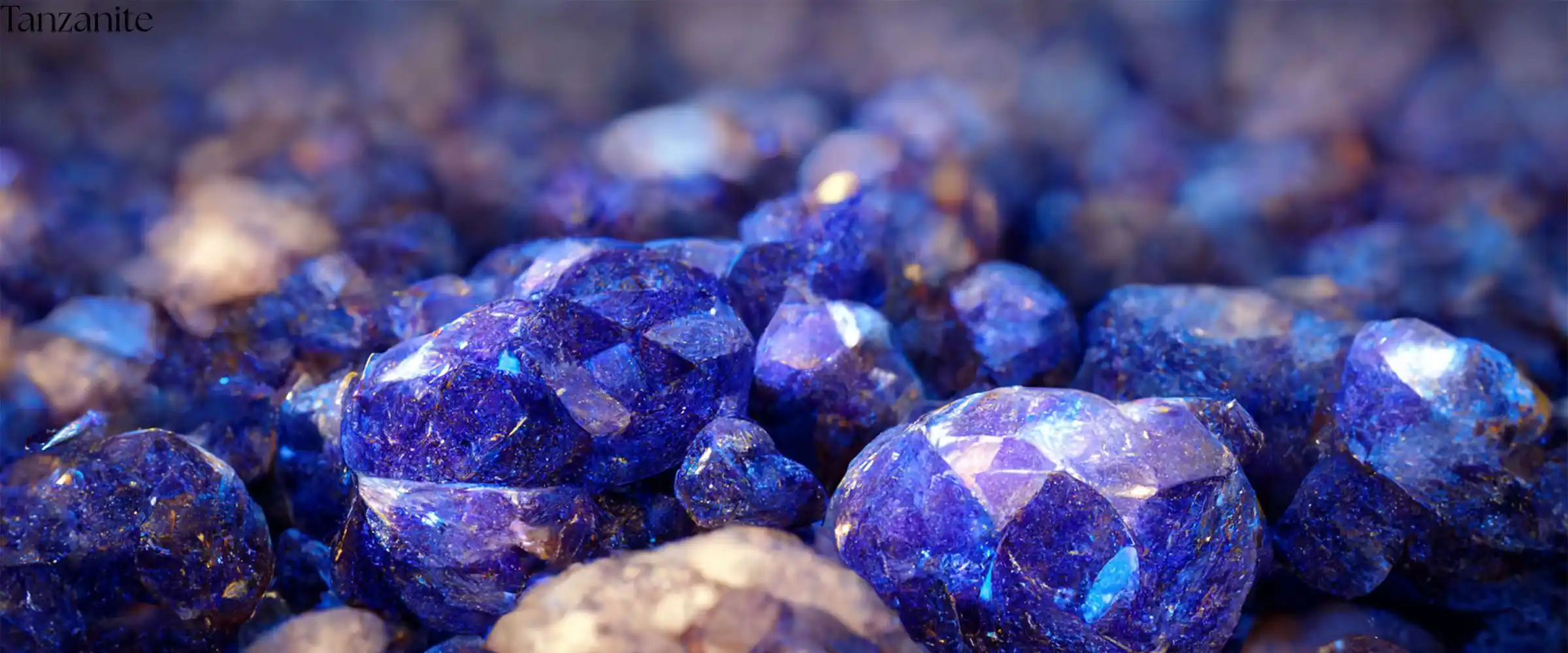
In the shadow of Mount Kilimanjaro lies a geological miracle found nowhere else on Earth: tanzanite, the vivid blue-violet gemstone that exists in a single 20-square-kilometer patch of Tanzanian soil. Discovered just 60 years ago by a Maasai herder following a lightning-sparked grassfire, this captivating gem has become Tanzania's signature treasure – a stone so rare that geologists estimate supplies may be exhausted within a generation. For safari travelers visiting the land of the Serengeti and Ngorongoro, tanzanite offers a tangible piece of Tanzania's uniqueness to take home, with a story as extraordinary as the wildlife migrations that draw visitors from across the globe.
💎The Serendipitous Discovery
The tanzanite story begins with serendipity, fire, and the sharp eyes of a Maasai pastoralist. In 1967, Ali Juuyawatu was herding cattle in the Merelani Hills near Arusha when a lightning strike ignited a grassfire that swept across the landscape. When the flames died down, Juuyawatu noticed something extraordinary: transparent blue-violet crystals glittering on the scorched ground. The intense heat from the fire had transformed dull brown zoisite crystals into brilliant blue stones – nature performing the same heat treatment that jewelers would later replicate.
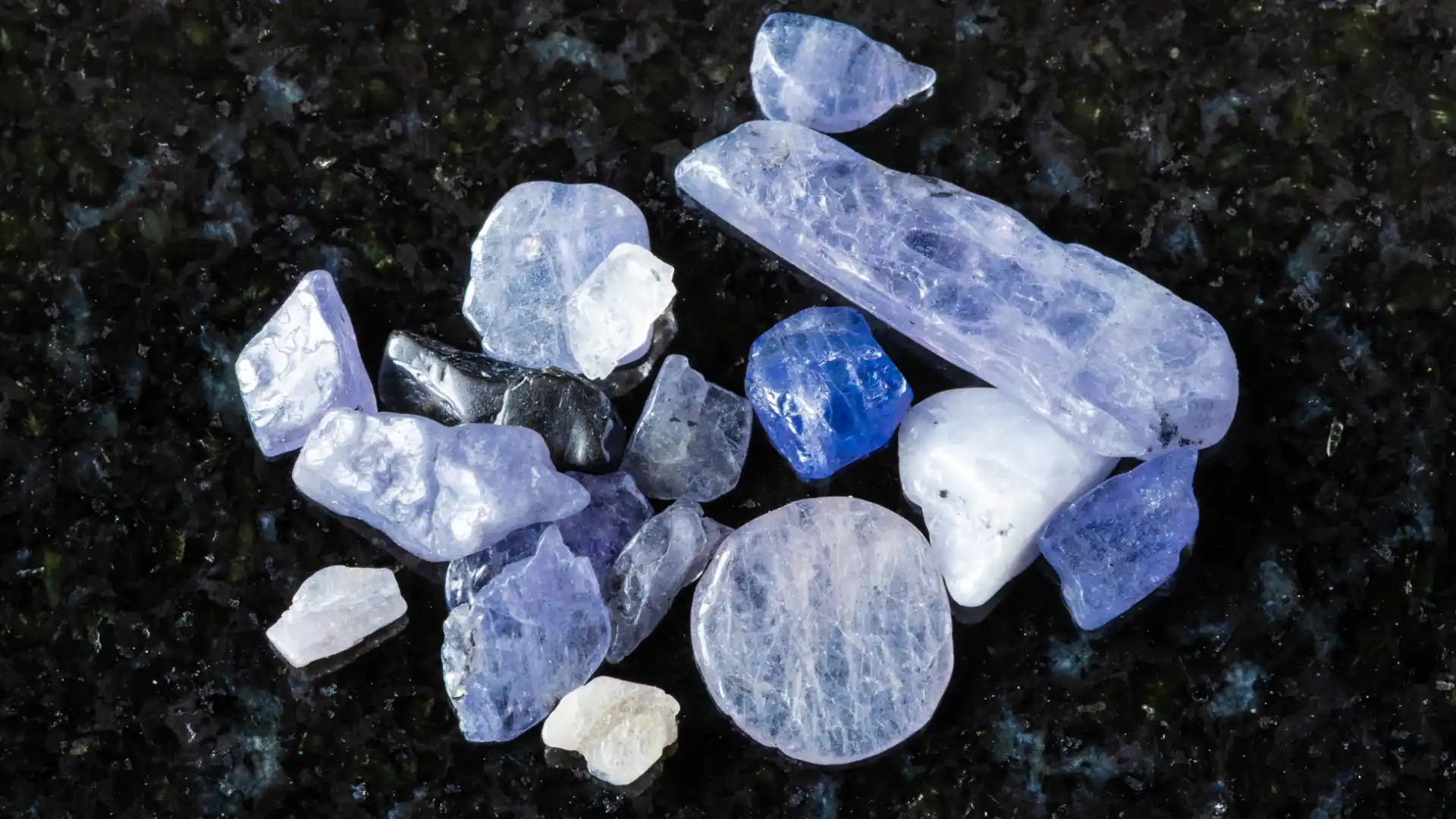
Juuyawatu collected the crystals and showed them to a local fortune seeker, Manuel de Souza, who initially thought they might be sapphires. Tests proved otherwise – this was an entirely different mineral, a variety of zoisite never before seen in gem quality. Word spread quickly through East Africa's gem trading networks. By 1968, samples had reached Tiffany & Co. in New York, where the legendary jewelry house immediately recognized the stone's commercial potential. Vice President Henry Platt named it 'tanzanite' after the country of origin, launching one of the most successful gemstone marketing campaigns in history.
This remarkable gem exists in one place on Earth – a 20-square-kilometer patch at the foot of Kilimanjaro that may be exhausted within our lifetimes.
Ali Juuyawatu, the Maasai herder who discovered tanzanite, died in poverty in 1984 without receiving meaningful compensation for his life-changing find.
🌍One Location, One Chance
Tanzanite's most extraordinary characteristic isn't its color – it's its singularity. The gemstone has been found in only one location worldwide: the Merelani Hills in northern Tanzania's Manyara Region, roughly 40 kilometers southeast of Arusha. The deposit covers approximately 20 square kilometers (about 8 square miles), making it one of the most geographically restricted gemstone sources known to geology. For comparison, diamonds are mined on every continent except Europe and Antarctica. Rubies come from Myanmar, Thailand, Afghanistan, Mozambique, and elsewhere. Sapphires appear across Asia, Africa, Australia, and North America. But tanzanite? Only Tanzania.
Geographic Exclusivity
Geologists believe tanzanite's formation required an exceptionally rare combination of geological events. About 585 million years ago, intense heat and pressure metamorphosed existing rock formations in the region. The presence of vanadium – the element that gives tanzanite its blue color – had to occur in exactly the right concentrations. The specific pressure, temperature, and chemical conditions that created gem-quality tanzanite occurred nowhere else on Earth. Scientists have searched for similar deposits in other parts of the East African Rift and around the world, but no secondary sources have ever been discovered.
The rarity extends to time as well as space. The Tanzania government's chief geologist estimated in 2018 that tanzanite reserves may be depleted within 20 to 30 years at current extraction rates. Unlike renewable resources, once the geological deposit is exhausted, no more tanzanite will ever be available – barring the discovery of new deposits, which experts consider extremely unlikely given decades of exploration. This 'one generation' gemstone creates urgency for collectors and investors. Your children may never have the opportunity to purchase newly mined tanzanite.
Tanzanite is approximately 1,000 times rarer than diamonds – yet costs a fraction of diamond prices due to marketing rather than scarcity.
🔬The Science Behind the Beauty
Tanzanite's captivating appearance stems from its complex optical properties. The mineral is a calcium aluminum silicate (Ca₂Al₃(SiO₄)₃(OH)) belonging to the epidote group, specifically a blue-violet variety of the mineral zoisite. What makes it special visually is trichroic pleochroism – the property of displaying different colors depending on the viewing angle. A single tanzanite crystal can show blue, violet, and burgundy-brown simultaneously when viewed from different directions. This phenomenon occurs because tanzanite absorbs different wavelengths of light depending on crystal orientation.
Optical Properties
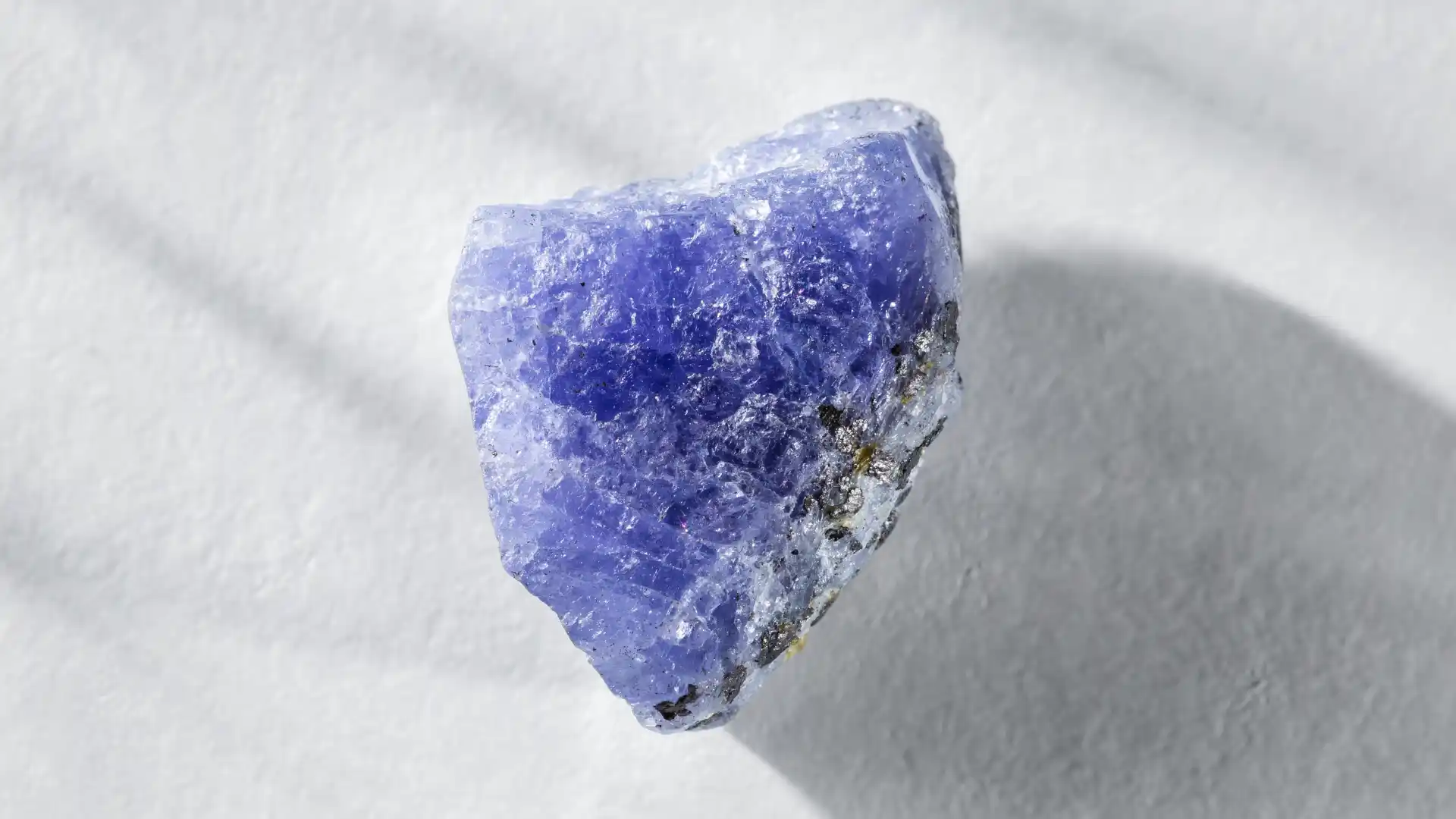
In their natural state, most tanzanite crystals appear brown or muddy due to trichroism combining all three colors. The dramatic transformation to pure blue-violet requires heat treatment – a permanent change that removes the brownish tones. Gem cutters heat tanzanite to approximately 600°C (1,112°F), which reorganizes the crystal structure and eliminates the brown pleochroism axis. This is the same process that occurred naturally when Ali Juuyawatu's grassfire baked the exposed crystals in 1967. Today, nearly all tanzanite on the market has been heat-treated, a standard and permanent enhancement that's considered acceptable in the jewelry industry.
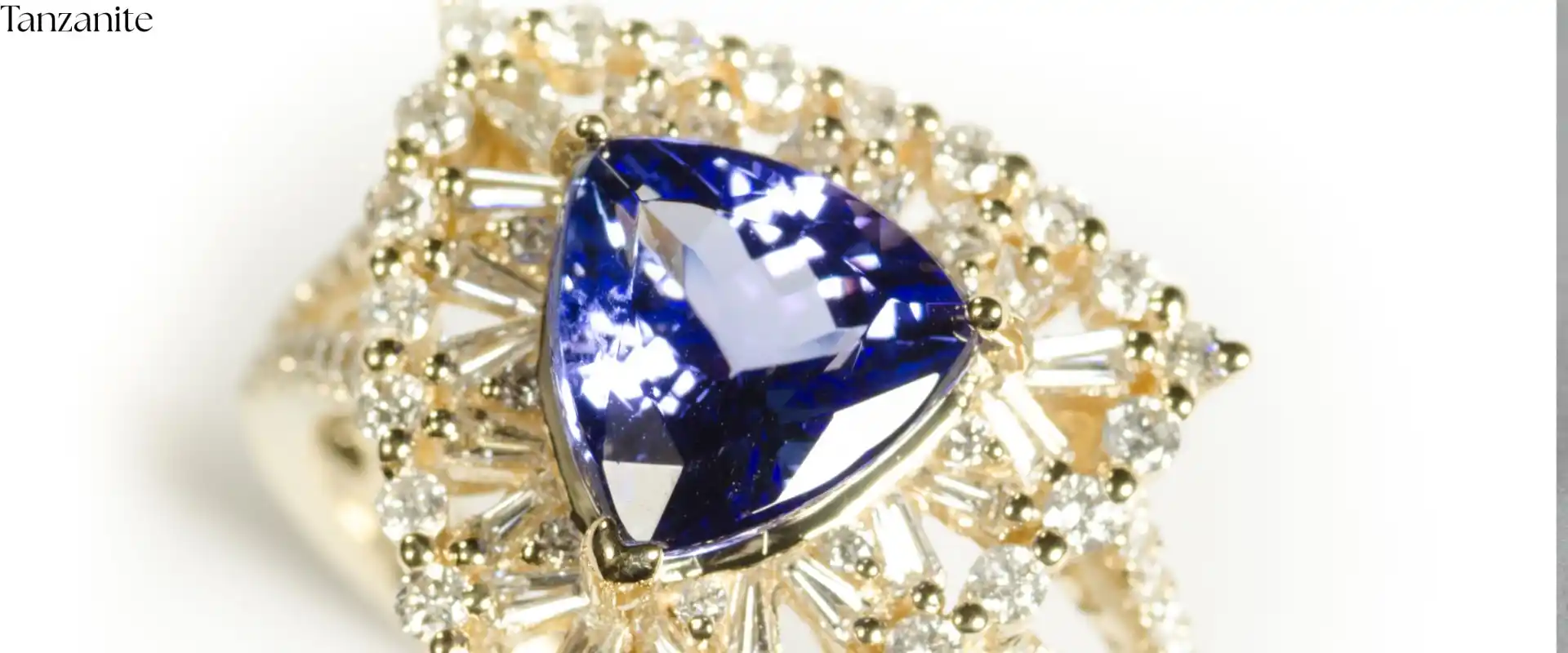
The intensity of color varies significantly, creating a pricing hierarchy. The most valuable tanzanites display vivid, saturated blue-violet tones with minimal color zoning – called 'AAA' grade in the trade. Lighter, more lavender stones fall into lower grades. Large stones over 5 carats with exceptional color can command prices exceeding $1,000 per carat, though tanzanite generally remains far more affordable than comparable sapphires. This price discrepancy has less to do with rarity (tanzanite is far rarer) than with marketing history – diamonds and sapphires have centuries of cultural cachet, while tanzanite has only 60 years.
Tanzanite's color-shifting pleochroism means you're wearing three gemstones in one – blue, violet, and burgundy dancing together depending on light and angle.
Heat treatment is permanent and stable – unlike surface treatments used on some gems, heated tanzanite will never fade or revert to brown coloration.
✨ From Merelani to Manhattan
Tanzanite's transformation from obscure mineral to internationally coveted gemstone is a masterclass in marketing. When Tiffany & Co. introduced tanzanite in 1968, the company faced a challenge: how to create desire for a stone nobody had heard of. Their solution was brilliant – position tanzanite as the exclusive gemstone of Tanzania, linking it to the romance and exoticism of East Africa. Tiffany became the main distributor outside Tanzania, launching advertising campaigns that emphasized rarity, beauty, and the African mystique.
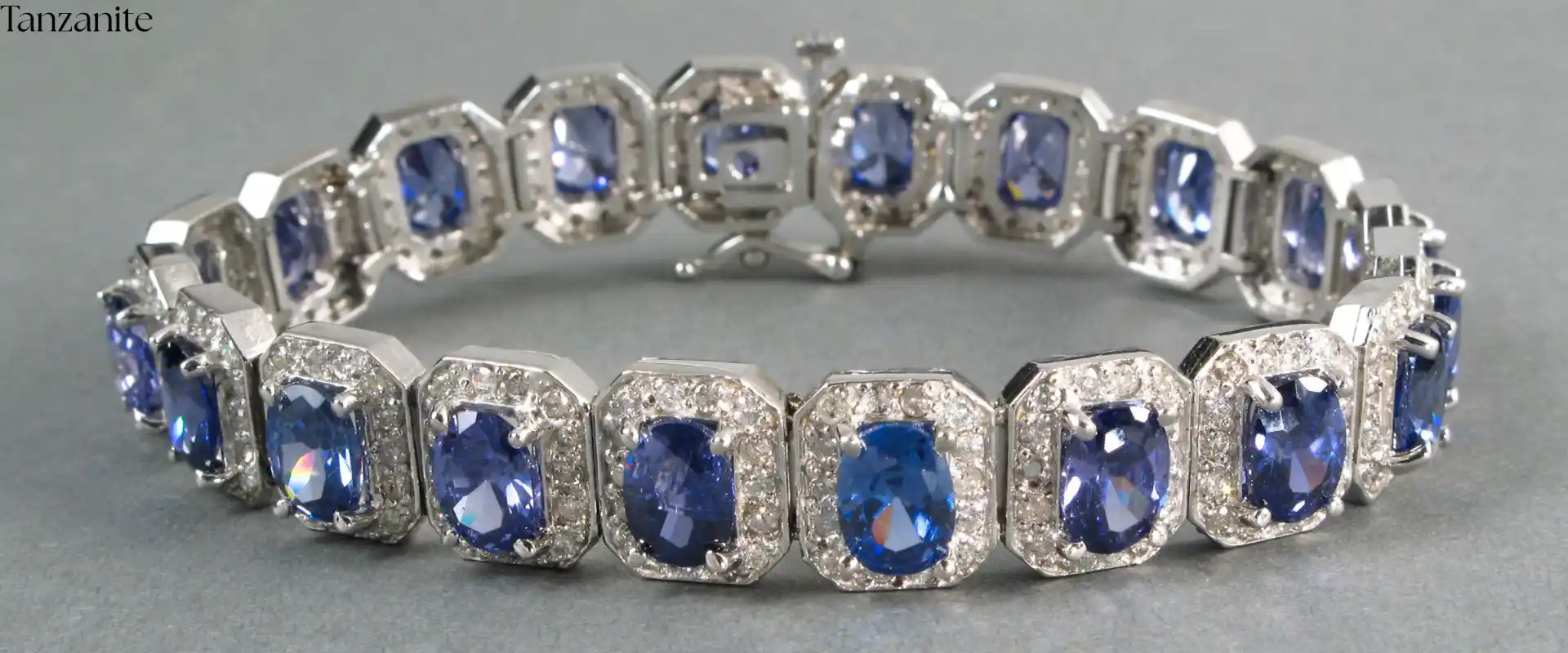
The strategy worked spectacularly. Within years, tanzanite became one of the most popular colored gemstones in American and European markets. Celebrities began wearing it at high-profile events. In 2002, the American Gem Trade Association added tanzanite as the alternative December birthstone (alongside turquoise and zircon), creating a permanent annual market. The 1997 film 'Titanic' featured a prominent blue necklace that, while fictional and diamond in the story, sparked renewed interest in blue gemstones including tanzanite. By the 2000s, tanzanite had become Tanzania's third-largest export by value after tourism and agriculture.
Tiffany & Co. maintains that exclusive association. The company continues to source directly from Tanzania and feature tanzanite in high-jewelry collections alongside diamonds and precious gems. Their original vision – that tanzanite would be recognized as uniquely Tanzanian – has been realized. Unlike generic gems that could come from anywhere, every tanzanite carries with it the specific geography of East Africa. When travelers visit Tanzania for safari, purchasing tanzanite connects them tangibly to the place in a way few souvenirs can.
Tanzanite in the Market
December babies born after 2002 can choose tanzanite as their birthstone – a gem that didn't even exist in jewelry until their parents' or grandparents' generation.
⛏️ The Mining Story
Beneath the Merelani Hills, miners work in an intricate network of shafts reaching over 600 meters below the surface – some of the deepest gemstone mines in Africa. The mining area is divided into four blocks (A, B, C, and D), with Block C operated by large-scale mining companies using modern equipment, while Blocks A, B, and D are worked by small-scale artisanal miners using hand tools, dynamite, and hope. The contrast between industrial and artisanal operations creates both opportunity and challenges for Tanzania's gemstone sector.
Small-scale miners face significant dangers. Tunnels collapse. Flooding occurs during heavy rains. Ventilation is poor in deep shafts. The Tanzanian government has attempted to formalize and regulate artisanal mining to improve safety and ensure proper taxation, but enforcement remains inconsistent. In 2017, President John Magufuli ordered the construction of a perimeter wall around the mining area to prevent smuggling and ensure that mining revenues benefit Tanzania rather than being lost to illegal exports. The wall, now complete, has improved government oversight but also created tensions with small-scale miners who feel increasingly marginalized.
Mining Realities
The most famous recent discovery illustrates the life-changing potential of tanzanite mining. In June 2020, small-scale miner Saniniu Laizer unearthed two massive tanzanite crystals weighing 9.27 and 5.10 kilograms – the largest tanzanite specimens ever recorded. The government purchased them for 7.74 billion Tanzanian shillings (approximately $3.4 million USD). Laizer, who was 52 at the time, had been mining in Merelani for over 30 years. His story became international news, showcasing both the potential rewards and the reality that such discoveries are extraordinarily rare. For every Saniniu Laizer, thousands of miners work for years without finding significant stones.
When you purchase tanzanite, you're not just buying a gemstone – you're participating in a story that connects Maasai pastoralists, artisanal miners, and luxury jewelers across five decades.
The largest tanzanite ever found – 16,839 carats discovered in 2020 – remains uncut and is housed by the Tanzanian government as a national treasure.
🦒Why Tanzanite Matters for Travelers
For visitors experiencing Tanzania's wildlife and landscapes, tanzanite offers a unique opportunity to take home a genuine piece of the country's geological heritage. Unlike mass-produced souvenirs, tanzanite is authentically and exclusively Tanzanian. When you wear a tanzanite ring or pendant, you're wearing a stone that came from a specific hillside near Kilimanjaro – a geographic origin as singular as the gemstone itself. It's a conversation starter with provenance: 'This came from the only place on Earth where it exists, and I was there.'
Purchasing tanzanite in Tanzania also ensures authenticity. While the gemstone is available internationally through jewelry retailers, buying directly in Arusha or Dar es Salaam provides access to a broader selection at better prices. Reputable dealers in Tanzania offer certification, detailed information about treatments (heat treatment is standard and permanent), and the cultural context that makes the stone meaningful. The Tanzanite Foundation and Tanzania government maintain certification programs to combat fraud and ensure quality standards.
Buying Tanzanite in Tanzania
Tanzanite also connects to Tanzania's broader conservation and economic development efforts. Mining revenues contribute to government budgets that fund national parks and community programs. The School of St. Jude, which Porcupine Tours supports through safari donations, benefits indirectly from Tanzania's mining sector through general economic development. When travelers support legitimate Tanzanian businesses – whether safari operators, hotels, or gemstone dealers – they contribute to sustainable economic growth that reduces pressure on wildlife habitats and creates alternatives to poaching.
Tanzanite mining employs thousands of Tanzanians and generates significant government revenue – purchasing tanzanite directly supports local communities and national development.
💙A Gemstone as Rare as Your Safari Experience
Tanzania offers experiences found nowhere else: the Great Migration crossing the Mara River, three million flamingos blanketing Lake Natron, the Ngorongoro Crater's enclosed ecosystem. Tanzanite embodies that same exclusivity in mineral form. Just as you can't witness the Serengeti's wildebeest calving anywhere but southern Tanzania, you can't find tanzanite anywhere but the Merelani Hills. The parallel is poetic: both represent natural phenomena of extraordinary rarity that Tanzania alone can offer the world.
As supplies dwindle over the coming decades, tanzanite will transition from rare to truly finite. The generation born after 2040 may only know tanzanite as an antique or heirloom stone, never available newly mined. This impending scarcity gives contemporary tanzanite purchases a time-capsule quality. The stone you buy today becomes part of a closed historical chapter – gem material from Earth's only tanzanite deposit, extracted during the brief window when it was still accessible.
Your grandchildren may ask, 'You actually visited Tanzania when they were still mining tanzanite?' – the gemstone's finite nature makes every piece a historical artifact.
For safari travelers, carrying home a tanzanite is carrying home a fragment of Tanzania's geological uniqueness. It's the Serengeti and Kilimanjaro crystallized, a piece of the East African Rift's volcanic and metamorphic drama transformed into something you can hold in your hand. And like the wildlife migrations that draw visitors to Tanzania, tanzanite won't last forever. The migration will continue (we hope) for generations, but the tanzanite? That's on borrowed time.
✈️ Planning Your Tanzanite Experience
Most visitors to Tanzania focus on safari circuits and Zanzibar beaches, but Arusha – the safari capital – is also Tanzania's tanzanite hub. Reputable dealers near the city center offer showrooms where visitors can learn about the gemstone's history, view both rough and cut stones, and make purchases with proper certification. The Tanzania Gemstone Dealers Association (TGDA) maintains a list of licensed dealers who adhere to quality and transparency standards.
If time permits, some tour operators offer visits to the Merelani Hills mining area, though this requires advance arrangement and security clearance. These visits provide insight into the extraction process and the lives of artisanal miners, adding context to the finished gemstones in Arusha's showrooms. Whether you're purchasing a loose stone to be set at home or selecting finished jewelry, taking time to understand tanzanite's story enriches the experience beyond mere souvenir shopping.
At Porcupine Tours, we can connect travelers with reputable tanzanite dealers in Arusha as part of your safari itinerary. While we're not gemstone experts and don't sell tanzanite ourselves, we work with trusted contacts who can provide authentic stones with proper documentation. Many of our clients choose to visit tanzanite showrooms before or after their safari, making it a seamless addition to their Tanzania experience. Contact us to discuss incorporating a tanzanite visit into your safari planning.
Arusha's location as both safari hub and tanzanite center makes it easy to combine wildlife adventures with gemstone shopping in one trip.
💚More Than a Gemstone
Tanzanite represents something larger than jewelry. It's a reminder that Earth still holds surprises – a major gemstone discovered less than 60 years ago in the satellite age. It's a case study in how geological rarity doesn't always translate to commercial value (tanzanite remains undervalued relative to its scarcity). It's a story of Tanzanian national identity and economic development, of artisanal miners risking their lives for the chance at transformation, of international luxury brands and African geology intersecting.
Most poignantly, tanzanite embodies finitude. In a world of renewable resources and sustainable practices, tanzanite is the opposite – a one-time geological gift that Tanzania is slowly extracting and distributing to the world. When it's gone, it's gone forever. This makes every tanzanite specimen a small piece of a larger story about how we value rarity, how we connect to places through objects, and how Earth's geological history occasionally produces something so unique that it exists in only one spot on the planet.
So when you visit Tanzania – for the elephants of Tarangire, the lions of Serengeti, the crater walls of Ngorongoro – consider bringing home a small blue stone that came from nowhere else and may soon come from nowhere at all. It's Tanzania in crystalline form: rare, beautiful, and irreplaceable.
Discover Tanzania's Treasures
Experience the landscapes where tanzanite was born on our 7-Day Classic Tanzania Safari, featuring Tarangire, Serengeti, and Ngorongoro Crater. Combine wildlife adventures with cultural experiences and optional visits to Arusha's tanzanite dealers. Contact us today to start planning your Tanzania journey – and perhaps bring home Earth's rarest gemstone as a lasting memory.
Written by Porcupine Tours — Your local Tanzania safari experts
Get in touch to plan your safari