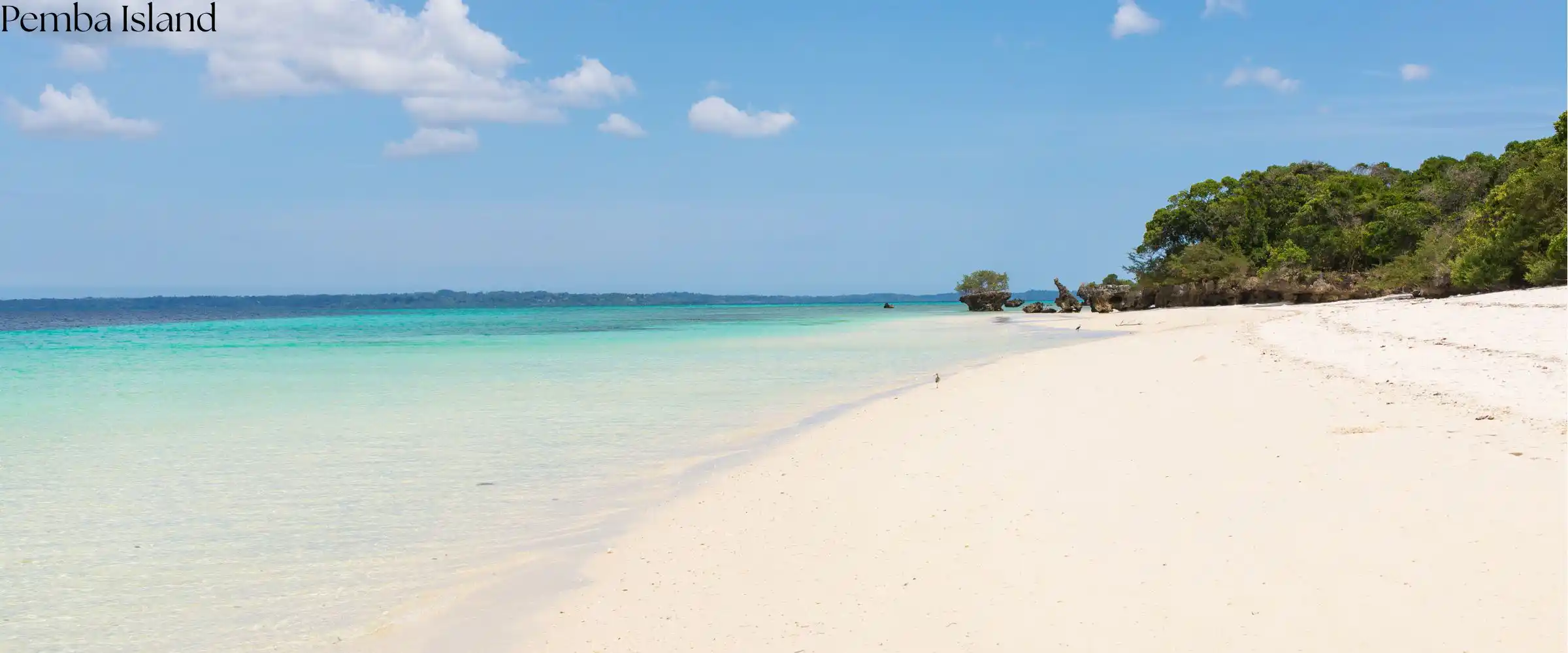
Pemba Island Safari
Tanzania's Premier Wildlife Destination
Discover Tanzania's unspoiled tropical paradise - Pemba Island, where pristine white sand beaches meet lush green hills and turquoise waters teem with dolphins and marine life. Known as 'The Green Island' for its clove plantations and mangrove forests, Pemba offers authentic Swahili culture, world-class diving and snorkeling, dolphin safaris, and the famous underwater hotel room - all in blissful seclusion with virtually no crowds.
Why Choose a Pemba Island Safari?
Pemba Island is the Zanzibar Archipelago's best-kept secret - a verdant tropical paradise 40km north of Zanzibar that has remained blissfully undiscovered by mass tourism. While its more famous sibling attracts hundreds of thousands of beach-goers annually, Pemba receives just a handful of travelers, preserving its authentic island character. The 'Green Island' earns its nickname from tens of thousands of clove trees, ten varieties of mangoes, and dense mangrove forests that cloak its hills and escarpments. Unlike Zanzibar's flat coral rag landscape, Pemba's dramatic topography creates stunning vistas across the Indian Ocean. Pemba offers something for everyone: dolphin watching safaris with playful pods that visit year-round, excellent snorkeling in shallow coral gardens perfect for beginners, world-class diving for the experienced, kayaking through mangrove channels, and pristine beaches where you might be the only visitor. Tropical forests shelter monkeys, galagos, and the endemic Pemba flying fox, while traditional villages offer glimpses of authentic Swahili culture unchanged for centuries. This is an island for travelers who value authenticity over crowds, natural beauty over development, and the rare privilege of having paradise almost entirely to themselves.
Pemba Island Safari Highlights
Regions to Explore
Misali Island Marine Reserve
A protected uninhabited island 15 minutes by boat from the west coast, offering Pemba's best beaches and most accessible diving and snorkeling. Crystal-clear waters lap pristine white sand beaches backed by forest. The marine reserve protects spectacular coral gardens where green turtles feed and 350+ coral species create kaleidoscopic underwater landscapes. This is the perfect day trip destination - swim, snorkel, picnic on deserted beaches, and return to your lodge by sunset. Most lodges offer dhow sailing trips here.
Pemba Channel (West Coast)
The legendary deep-water channel between Pemba and mainland Tanzania offers extraordinary marine encounters. Dolphin pods frequent these waters year-round, with early morning safaris offering near-guaranteed sightings. For snorkelers, shallow coral gardens near shore teem with colorful reef fish, turtles, and occasional dolphins. Experienced divers can explore dramatic underwater pinnacles rising from 500+ meter depths, attracting massive schools of barracuda, tuna, and seasonal whale sharks. The channel creates nutrient-rich upwellings supporting spectacular coral reefs with 30+ meter visibility. World-class dive sites include Manta Point, Fundu Gap, and Swiss Reef. Most lodges offer dolphin watching tours, snorkeling trips, and diving excursions suitable for all experience levels.
Wete & Chake Chake (Central Towns)
Pemba's two main settlements offer glimpses of authentic Swahili island life far removed from tourist influence. Bustling spice markets overflow with fresh cloves, nutmeg, and vanilla - Pemba produces more cloves than any comparable area globally. Narrow streets wind past whitewashed mosques, crumbling Arab ruins, and wooden dhow boatyards where craftsmen build vessels using centuries-old techniques. Visit spice and fruit plantations to learn about clove cultivation, explore the historic Jambagome ruins and 18th-century Portuguese fort remains at Chake Chake, or simply wander through daily island life unchanged for generations. Wildlife encounters include southern green monkeys in forest patches and Pemba flying foxes roosting in fruit trees.
North Coast & Manta Point
Pemba's north coast features the island's longest stretches of white sand beach, including the spectacular beach at Manta Resort and Constance Aiyana. While these beaches lack the powdery perfection of Zanzibar's best, they're nearly deserted and backed by swaying palms and traditional fishing villages. The famous Manta Point underwater room sits 250 meters offshore here - a unique floating structure where guests sleep in a submerged bedroom 4 meters below sea level, surrounded by reef fish, with a rooftop star-gazing deck. Not for those with seasickness or claustrophobia, but an unforgettable honeymoon experience for adventurous couples.
Activities & Experiences
Did You Know?
Size: 988 km² - slightly smaller than Zanzibar but more mountainous
Part of Zanzibar Archipelago, 40km north of main Zanzibar island
Known as 'The Green Island' - Al Jazira al Khadra in Arabic
World's largest clove producer per square kilometer
Population: ~400,000 residents, mostly traditional farmers and fishermen
Dolphin encounters: Year-round with 80-90% success rate
Land wildlife: Southern green monkeys, galagos (bush babies), Pemba flying fox (endemic)
Only 3-4 luxury lodges on entire island vs 100+ on Zanzibar
Visibility: 20-40 meters underwater (among Indian Ocean's best)
Dive sites: 30+ named sites from beginner to advanced
History: Portuguese 1498-1698, Omani Sultanate 1698-1964, Tanzania since 1964
Traditional dhow building: Active boatyards using ancient Arab techniques
Planning Your Visit
Recommended Stay
3-5 nights minimum. Activity-focused trips often 5-7 nights. Allow 4+ nights to experience dolphin safaris, snorkeling, kayaking, and the island's peaceful pace. 2 nights too short given travel time.
Getting There
Daily flights from Zanzibar (30 mins), Dar es Salaam (1 hour). Two flights daily from Zanzibar at 8am and 3pm. No direct international flights. Charter flights available. Ferry service exists but unreliable - flights strongly recommended.
Accommodation Options
Only three main options: The Manta Resort ($350-600/night, good value, famous underwater room $1,500+/night), Fundu Lagoon ($800-1,500/night, luxury hillside tented camp), Constance Aiyana ($600-1,200/night, newest, most luxurious beach resort), Pemba Paradise Lodge (eco-lodge, budget-friendly). All-inclusive packages typical. Most lodges offer dolphin safaris, snorkeling trips, and diving courses for all levels.
Important to Know
All water sport levels welcome - activities from beginners to experts. Dolphin tours available year-round. April-May heavy rains cause most lodges to close. Conservative dress required in villages (99% Muslim). Limited infrastructure - bring cash, ATMs unreliable. Mobile coverage patchy outside towns. Respect local customs and Islamic culture. Lodges arrange all activities.
Best Time to Visit
July-Oct, Dec-Mar. Avoid April-May heavy rains when lodges close.
Wildlife
Dolphins (year-round encounters), green sea turtles, hawksbill turtles, Pemba flying fox (endemic fruit bat), southern green monkeys, galagos (bush babies), whale sharks (seasonal), manta rays, Napoleon wrasse, barracuda, tuna, hammerhead sharks, 350+ coral species, coconut crabs
Pemba Island Safari FAQs
When is the best time for dolphin safaris?
Dolphin encounters are possible year-round on Pemba! Pods of bottlenose and spinner dolphins frequently visit the western coast, especially around Misali Island and the Pemba Channel. Early morning excursions (6-9am) offer the highest success rates when dolphins are most active. Unlike some destinations where dolphins are seasonal, Pemba's resident populations mean 80-90% encounter success throughout the year. Tours typically last 2-3 hours by traditional dhow or motorboat, with opportunities to snorkel if dolphins approach. Some lodges offer swimming with dolphins, though respectful distance observation is encouraged. Best months are June-October (calm seas) and December-March, though dolphin sightings remain excellent even during green season (April-May) when lodges offer significant discounts.
What's the difference between Pemba and Zanzibar?
Pemba Island is Zanzibar's quieter, more authentic neighbor - dramatically different despite being only 40km apart. Key differences: Pemba has superior diving and snorkeling, virtually no tourists (3-4 lodges vs 100+ on Zanzibar), lush green hills and tropical forests (vs flat coral landscape), much more rustic and authentic (vs developed tourism infrastructure), excellent dolphin encounters, and more expensive lodges due to exclusivity. Pemba's beaches are pristine but not as spectacular as Zanzibar's famous northern beaches. Choose Pemba if you value seclusion and authenticity, want guaranteed dolphin encounters, enjoy nature and watersports, and don't need perfect beaches. Choose Zanzibar for better beaches, more lodge options, Stone Town culture, and easier accessibility.
Is Pemba Island worth the extra cost compared to Zanzibar?
For travelers seeking authentic seclusion and unique experiences, absolutely yes. With only 3-4 lodges on the entire island, you'll have beaches, dolphin encounters, and snorkeling sites virtually to yourself. Activities impossible on Zanzibar include: guaranteed dolphin safaris, The Manta Resort's underwater room (unique globally), kayaking through pristine mangrove forests, and experiencing genuine Swahili island culture. World-class diving is a major draw, but non-divers love Pemba for its exclusivity, wildlife encounters (dolphins, monkeys, flying foxes), and romantic remoteness. However, if you prioritize perfect beaches, extensive lodge choices, or are on a budget, Zanzibar offers better value. Pemba suits honeymooners, nature lovers, adventurous travelers, and anyone who's 'been there, done that' on mainstream Indian Ocean islands. The price premium buys exclusivity, pristine nature, and authentic island culture.
Can beginners dive or snorkel at Pemba?
Absolutely! While Pemba is famous for advanced diving sites, there's excellent snorkeling and diving for all levels. Misali Island Marine Reserve offers shallow, protected coral gardens perfect for snorkelers and beginner divers - no certification needed. Most lodges offer PADI courses from beginner to advanced. For experienced divers, Pemba's deep channel sites with strong currents offer world-class walls, pinnacles, and pelagic encounters (hammerheads, whale sharks, manta rays). Visibility averages 30+ meters with far fewer divers than Zanzibar or Red Sea. Non-divers can enjoy dolphin safaris, kayaking, watersports, and pristine beaches. There's something for everyone, regardless of diving experience.
What's the underwater room at Manta Resort like?
The Manta Resort's underwater room is a unique floating structure 250 meters offshore with three levels: submerged bedroom 4 meters below sea level with 360-degree windows where reef fish, octopus, and squid swim past all night; sea-level bathroom and lounge; and rooftop sundeck for stargazing. Guests sleep surrounded by underwater life with spotlights illuminating the reef at night. The room is anchored and gently rocks with waves - some guests love it, others get seasick. Not suitable for claustrophobic travelers or those with mobility issues (ladder access between levels). It's expensive but truly once-in-a-lifetime. Popular with honeymooners and adventure travelers. Meals delivered by boat. Book 6+ months ahead for peak season. Alternative: stay at Manta Resort main lodge and do a day boat trip to see the underwater room.
How do you get to Pemba Island?
Daily scheduled flights from Zanzibar (30 minutes, two flights at 8am and 3pm) or Dar es Salaam (1 hour) via small aircraft. Most visitors fly Zanzibar-Pemba and spend 1-2 nights in Stone Town before or after Pemba. Charter flights available from Serengeti, Arusha, or Nyerere but expensive. Ferry service exists between Zanzibar and Pemba but is unreliable, uncomfortable, and takes 4-6 hours - strongly recommend flights instead. Plan for flexible schedules - small planes occasionally delay due to weather. No international flights to Pemba; you must transit through Dar or Zanzibar. Most lodges include transfers from Pemba Airport (20-45 minutes by 4x4 on rough roads).
Pemba Island Safari Tours & Packages
Explore our carefully crafted itineraries featuring Pemba Island
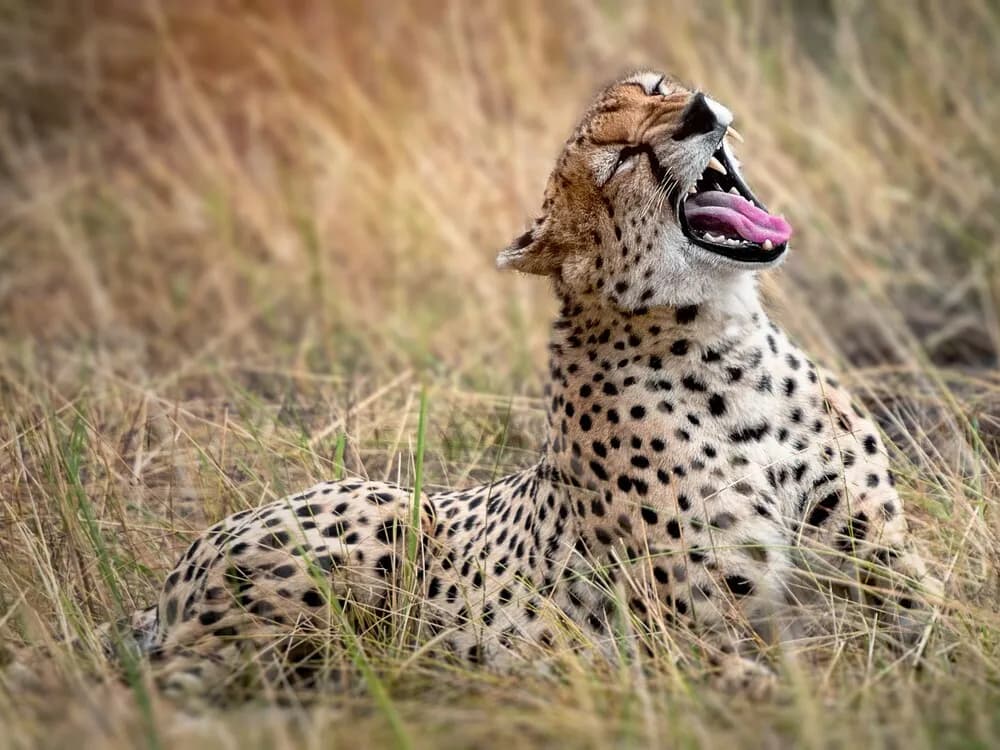
11-Day Safari & Zanzibar
Experience the ultimate Tanzania adventure combining world-class wildlife safaris with pristine tropical beaches. Explore Tarangire, Serengeti, and Ngorongoro Crater, then relax on Zanzibar's stunning beaches.
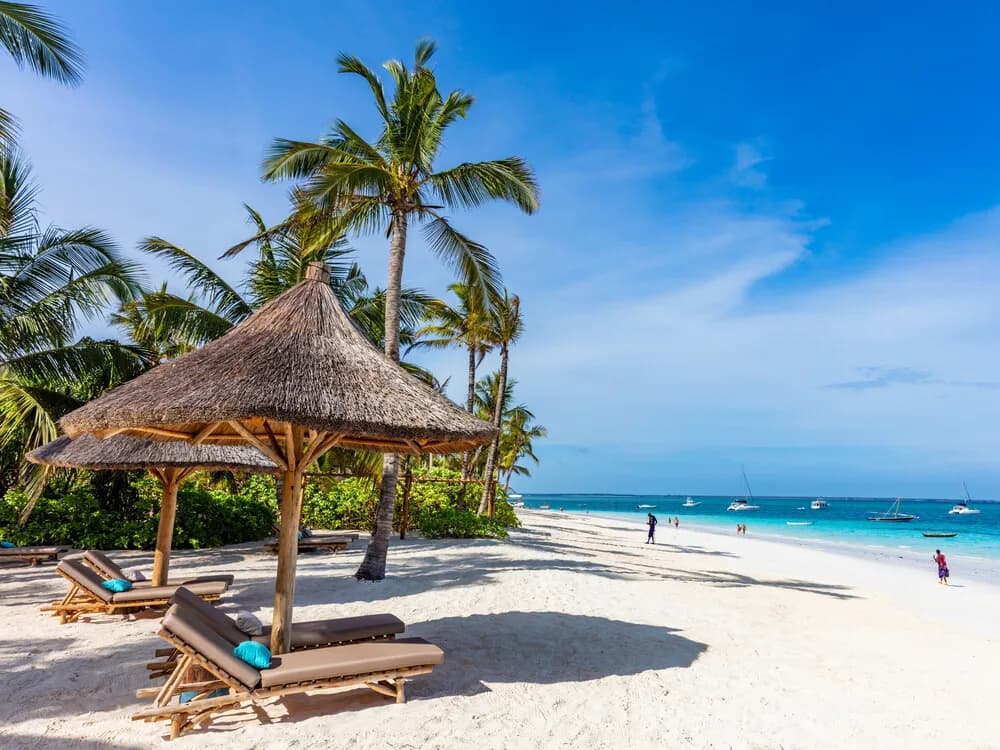
10-Day Migration & Zanzibar
A 10-day adventure combining the thrill of the Great Migration in the Serengeti with the relaxation of Zanzibar's pristine beaches. Explore Tarangire, Lake Manyara, Ngorongoro Crater, and the Serengeti before unwinding on the Spice Island.
Explore More Tanzania Safari Destinations
Combine Pemba Island with these incredible wildlife areas
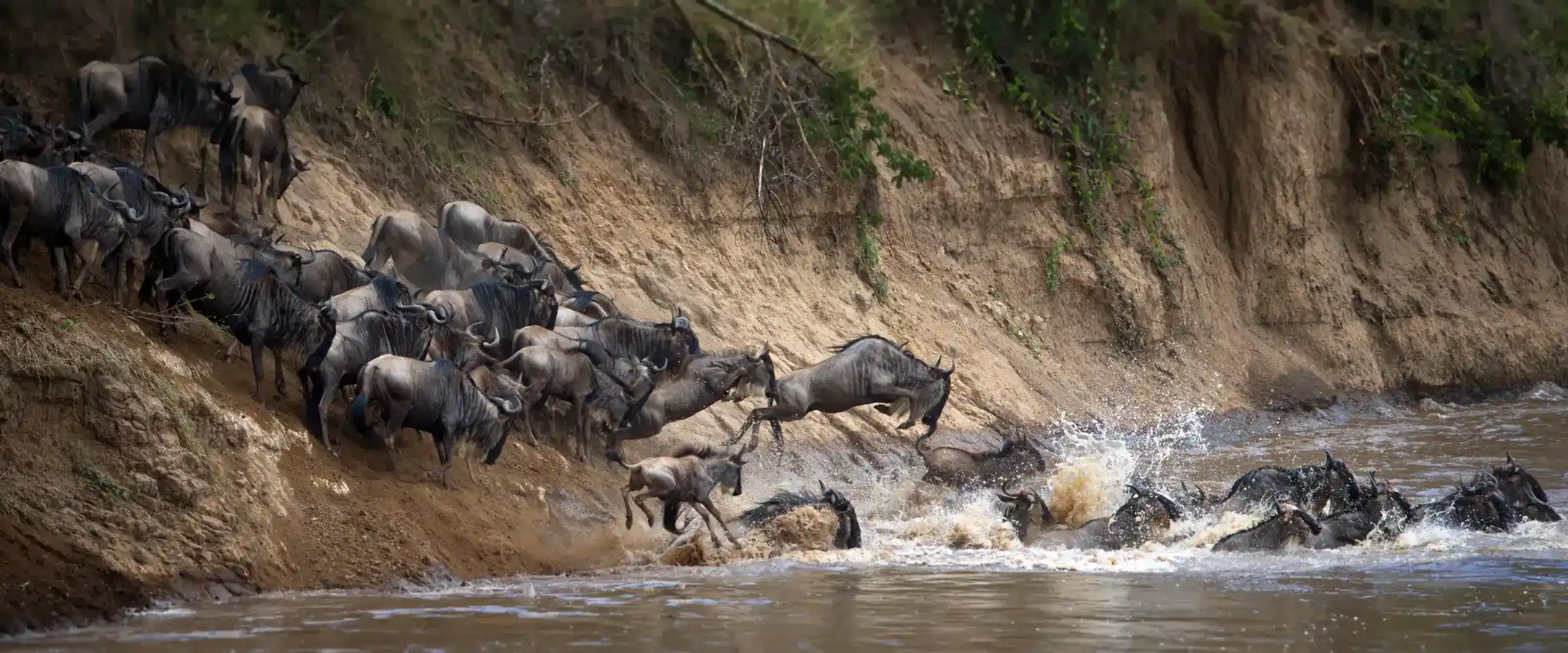
Serengeti National Park
Northern Tanzania
A Serengeti safari is Africa's most iconic wildlife experience — and for good reason. Spanning 14,750 square kilometres of pristine savanna, the Serengeti National Park hosts the Great Migration, where over two million wildebeest, zebras, and gazelles thunder across endless plains in one of nature's most breathtaking spectacles. The Serengeti — meaning 'endless plains' in the Maasai language — is Tanzania's oldest national park and a UNESCO World Heritage Site, established in 1952 to protect one of Earth's most extraordinary ecosystems. Beyond the migration, the Serengeti is home to Africa's densest lion population, with over 3,000 individuals roaming the plains, alongside leopards draped over acacia branches, cheetahs sprinting across open grasslands, and massive herds of elephants and buffalo. Whether you visit during the dramatic calving season in the southern plains (December–March), the Grumeti River crossings of the western corridor (June–July), or the legendary Mara River crossings in the north (August–October), a Serengeti safari delivers unforgettable wildlife encounters at every season of the year.
Zanzibar Archipelago
Indian Ocean
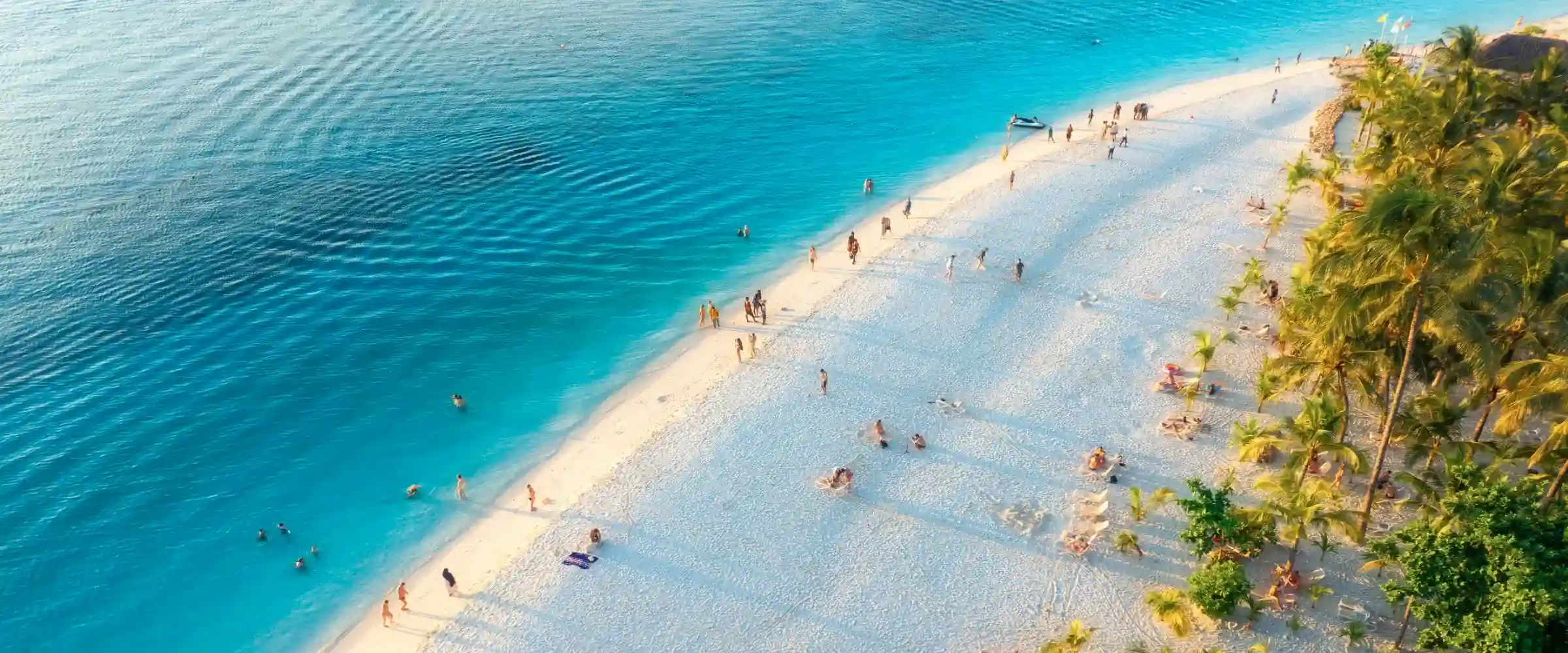
Unwind on pristine white sand beaches where turquoise waters meet powder-soft shores. Explore UNESCO-listed Stone Town's ancient streets, discover spice plantations, and immerse yourself in centuries of Swahili culture. The Spice Island offers the perfect complement to any Tanzania safari adventure.