Quick Takeaways (14 min read)
- ▸$4.2 billion tourism revenue in 2025 – highest in Tanzania's history
- ▸2.1 million international tourists visited (9% increase year-over-year)
- ▸Tanzania won World's Leading Safari Destination at 2025 World Travel Awards
- ▸Elephant population grew 29.3% – from 43,000 (2014) to over 60,000 (2023)
- ▸Strategic investments in roads, airports, railways boosting accessibility
Tanzania's tourism industry has achieved what many thought impossible – breaking every revenue record while simultaneously strengthening wildlife conservation. The nation earned a staggering 4.2 billion US dollars (10.46 trillion Tanzanian shillings) in the year ending October 2025, confirmed by the Bank of Tanzania. This represents the highest tourism revenue in the country's history and positions Tanzania as Africa's undisputed safari leader. For travelers planning their dream African adventure, the message is clear: Tanzania is hitting its stride, and there's never been a better time to visit.
📈Record-Breaking Numbers
The figures speak for themselves, but they tell a deeper story. Between January and November 2025, Tanzania welcomed 2,097,823 international tourists – approximately 173,000 more visitors than the same period in 2024. This represents a robust 9% increase in volume, demonstrating sustained growth rather than a temporary spike. The revenue growth is even more impressive: a 7.1% increase in just five months, up from $3.92 billion reported in May 2025.
Dr. Ashatu Kijaji, Minister for Natural Resources and Tourism, announced these milestone figures at a wildlife stakeholders' meeting in Dodoma this week. "The industry is solid and vibrant," she declared, crediting strategic global rebranding efforts for repositioning Tanzania as Africa's premier destination. The numbers validate years of investment in marketing, infrastructure, and conservation – proving that sustainable tourism and wildlife protection can go hand in hand.
Tanzania's tourism revenue jumped 7.1% in just five months – from $3.92 billion in May 2025 to $4.2 billion by October 2025.
Tourism Growth by the Numbers
🌍What's Driving the Success
Tanzania's tourism boom isn't accidental – it's the result of deliberate strategy and smart marketing. Two campaigns have proven particularly effective: the Royal Tour documentary and the Amazing Tanzania film series. The Royal Tour, featuring President Samia Suluhu Hassan personally guiding viewers through Tanzania's wonders, has been viewed millions of times globally and dramatically increased international awareness. The Amazing Tanzania campaign showcases the country's diversity beyond traditional safari – from Zanzibar's beaches to Mount Kilimanjaro's summit, from ancient ruins to vibrant culture.
These efforts paid off spectacularly. Tanzania earned two prestigious international awards in 2025: Africa's Leading Destination and the World's Leading Safari Destination at the World Travel Awards. The recognition secured Tanzania the rights to host the World Tourism Awards in December 2026, bringing global attention and further boosting the country's profile. Minister Kijaji hailed these honors as "a source of national pride and a testament to Tanzania's prominent position on the global stage."
Beyond marketing, the success reflects strengthened government-private sector cooperation. Tourism operators, lodge owners, safari companies, and government agencies are working together more effectively than ever before. This collaboration has improved service standards, streamlined regulations, and created a more welcoming environment for international visitors. The result is a tourism ecosystem that delivers world-class experiences while ensuring local communities benefit directly.
These achievements are a result of strengthened government-private sector cooperation, improved strategic marketing, and massive investments in infrastructure.
[KEY_INSIGHT:Tanzania's Royal Tour documentary and Amazing Tanzania campaigns successfully repositioned the country from 'good safari option' to 'Africa's premier destination.'].
🐘Conservation Success Stories
Perhaps the most remarkable aspect of Tanzania's tourism growth is that it's happening alongside dramatic wildlife conservation success. This isn't growth at nature's expense – it's growth that funds and supports conservation. The elephant population provides the most striking example: numbers have grown from 43,000 in 2014 to over 60,000 in 2023, an increase of 29.3%. This positions Tanzania third in Africa for elephant populations, behind only Botswana and Zimbabwe.
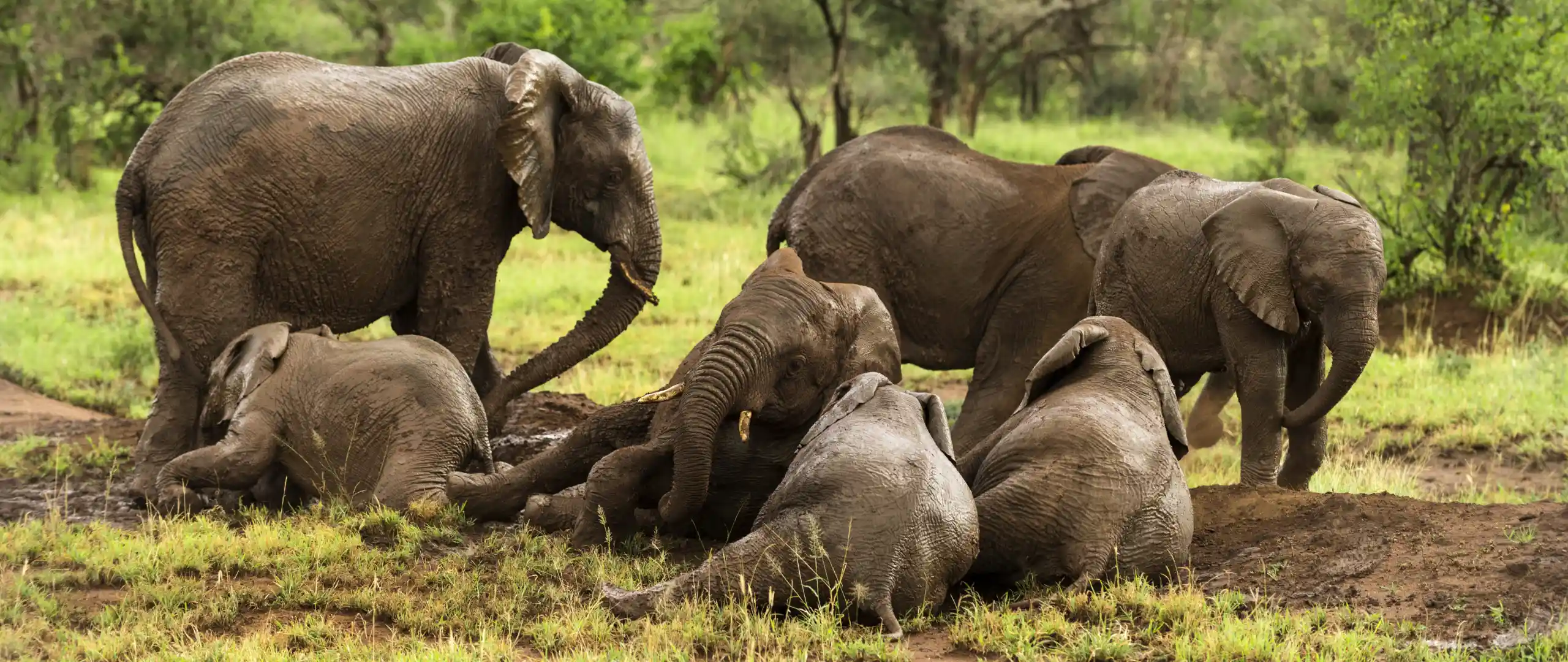
The turnaround is extraordinary given the poaching crisis that decimated elephant populations across East Africa in the 2000s and early 2010s. Tanzania lost approximately 60% of its elephants during that dark period. The recovery demonstrates the effectiveness of the National Anti-Poaching Strategy (2023-2033), which has strengthened institutional capacity and deepened community involvement in conservation. When local communities benefit from tourism revenue, they become wildlife's most effective protectors.
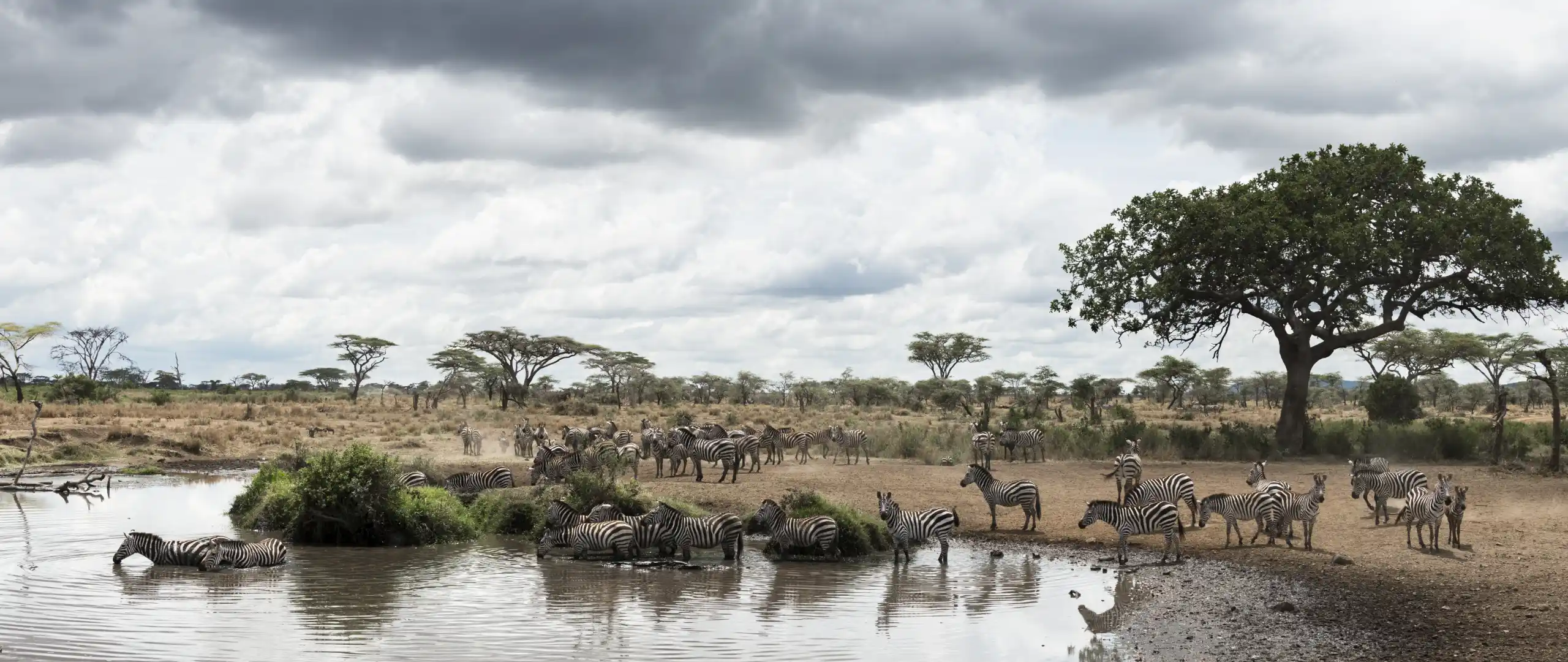
Tanzania also maintains the world's largest populations of lions – an estimated 17,000 individuals – and approximately 24,000 leopards. These numbers aren't just statistics; they represent thriving ecosystems where apex predators can hunt, breed, and maintain natural balance. For safari travelers, this means exceptional wildlife viewing opportunities. You're not visiting depleted parks with scattered remnants – you're experiencing ecosystems functioning as they have for millennia.
Minister Kijaji praised development partners for supporting anti-poaching efforts, staff capacity building, and conservation projects. "Their contributions have been crucial in safeguarding wildlife habitats," she noted. Tourism revenue directly funds Tanzania National Parks, the Wildlife Division, and the Ngorongoro Conservation Area Authority. Every safari you take, every park fee you pay, contributes to ranger salaries, anti-poaching patrols, and habitat protection.
Conservation Success by Species
Tanzania's elephant population has grown 29.3% since 2014 – tourism revenue directly funds the conservation programs protecting them.
🎯New Tourism Products
Tanzania isn't resting on its safari laurels. The government is aggressively developing new strategic tourism products to diversify the sector and attract different visitor profiles. These include:
**MICE Tourism (Meetings, Incentives, Conferences, and Exhibitions):** Tanzania is positioning itself as a business tourism destination, with modern conference facilities in Dar es Salaam, Arusha, and Zanzibar. Imagine attending a conference with safari extensions or beach relaxation built in.
**Marine and Beach Tourism:** Beyond Zanzibar's famous beaches, Tanzania is developing marine parks, diving sites, and coastal resorts along its 1,424-kilometer coastline. The Mafia Island Marine Park, Pemba Channel, and southern coast offer world-class diving and snorkeling.
**Historical and Heritage Tourism:** From Kilwa Kisiwani's ancient ruins (a UNESCO World Heritage Site) to Bagamoyo's role in the slave trade and independence movement, Tanzania has deep historical significance that's now being marketed to cultural travelers.
**Sports Tourism:** Tanzania hosted the Africa Nations Championship and is preparing for AFCON 2027. Mountain climbing (Kilimanjaro, Meru), marathon events, and adventure sports are attracting active travelers.
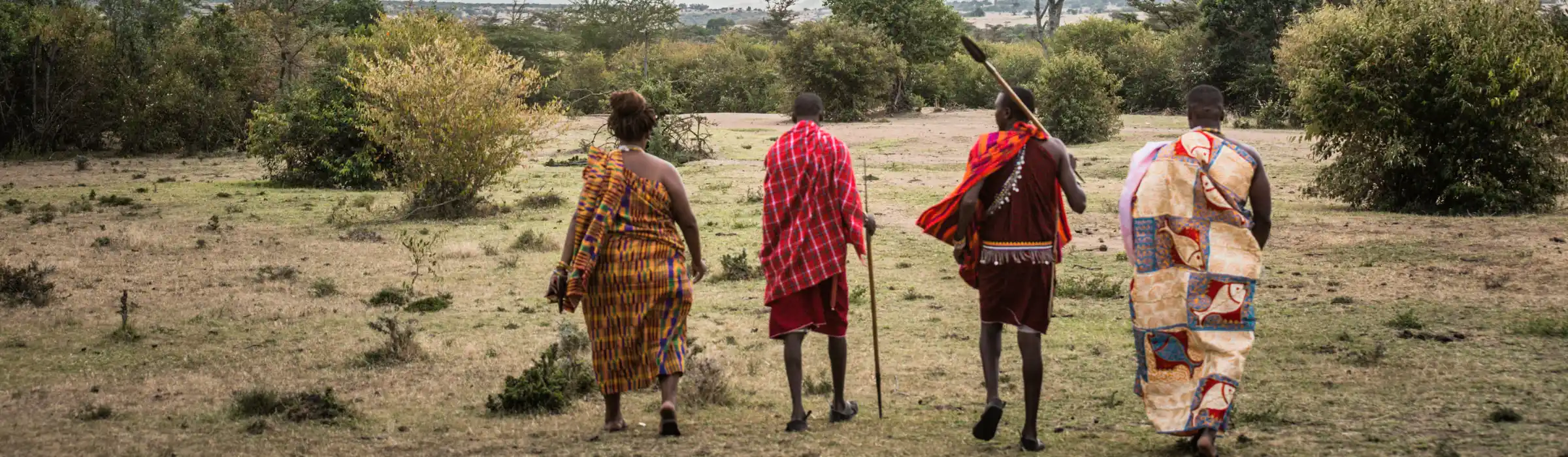
**Cultural Experiences:** Authentic interactions with Maasai, Hadzabe, and other indigenous communities provide insight into traditional lifestyles. These programs are designed to respect cultural dignity while providing economic benefits to communities.
**Ecotourism:** Sustainable lodges, walking safaris, and conservation-focused experiences appeal to environmentally conscious travelers who want their tourism to have positive impact.
These new products complement rather than replace traditional safaris. The goal is to extend visitor stays and offer diverse experiences. A two-week Tanzania itinerary might include a Serengeti safari, Kilimanjaro climb, cultural village visit, and Zanzibar beach relaxation – an adventure impossible to replicate anywhere else.
Beyond Traditional Safaris
Tanzania is diversifying beyond wildlife safaris to attract business travelers, divers, history buffs, and adventure sports enthusiasts.
🛤️ Infrastructure Investments
Behind the tourism success lies massive infrastructure investment. The sixth-phase government, under President Samia Suluhu Hassan, has prioritized improving accessibility and visitor experience. This includes:
**Roads:** Major highway improvements connecting Arusha to Serengeti, Dar es Salaam to southern parks, and circuits linking multiple destinations. Better roads mean shorter, more comfortable transfers between parks.
**Airports:** Expansion of Kilimanjaro International Airport, improvements to Dar es Salaam's Julius Nyerere International Airport, and development of regional airstrips serving safari areas. Direct international flights are increasing from Europe, Middle East, and other African countries.
**Railways:** The Standard Gauge Railway (SGR) is being extended to connect Dar es Salaam with upcountry regions, eventually reaching neighboring countries. This improves both tourist access and logistics for tourism operations.
**Ports:** Upgraded port facilities support the marine tourism sector and improve supply chains for lodges and camps in remote areas.
These investments benefit both international tourists and domestic visitors. Tanzanians are increasingly exploring their own country, with domestic tourism growing alongside international arrivals. Better infrastructure makes safaris more accessible to middle-class African families, not just wealthy foreign visitors.
The government is also enacting comprehensive reforms to reduce costs for investors and streamline procedures. "These reforms include revisions to fees and charges, as well as upgrades to operational systems," Minister Kijaji explained. The goal is to enhance Tanzania's global competitiveness while maintaining high standards for wildlife protection and visitor safety.
Tanzania is investing heavily in roads, airports, and railways – making safaris more accessible while maintaining the wilderness experience.
🏆World-Class Recognition
Tanzania's double recognition at the 2025 World Travel Awards validates years of effort. Winning both Africa's Leading Destination and World's Leading Safari Destination in the same year is unprecedented. These aren't participation trophies – they're based on votes from industry professionals and travelers worldwide. Tanzania competed against and defeated destinations with decades more tourism development and far larger marketing budgets.
The awards ceremony will return to Tanzania in December 2026, bringing global media attention and showcasing the country to tourism decision-makers worldwide. This creates a virtuous cycle: recognition drives more visitors, which generates more revenue, which funds better conservation and infrastructure, which improves visitor experience, which earns more recognition.
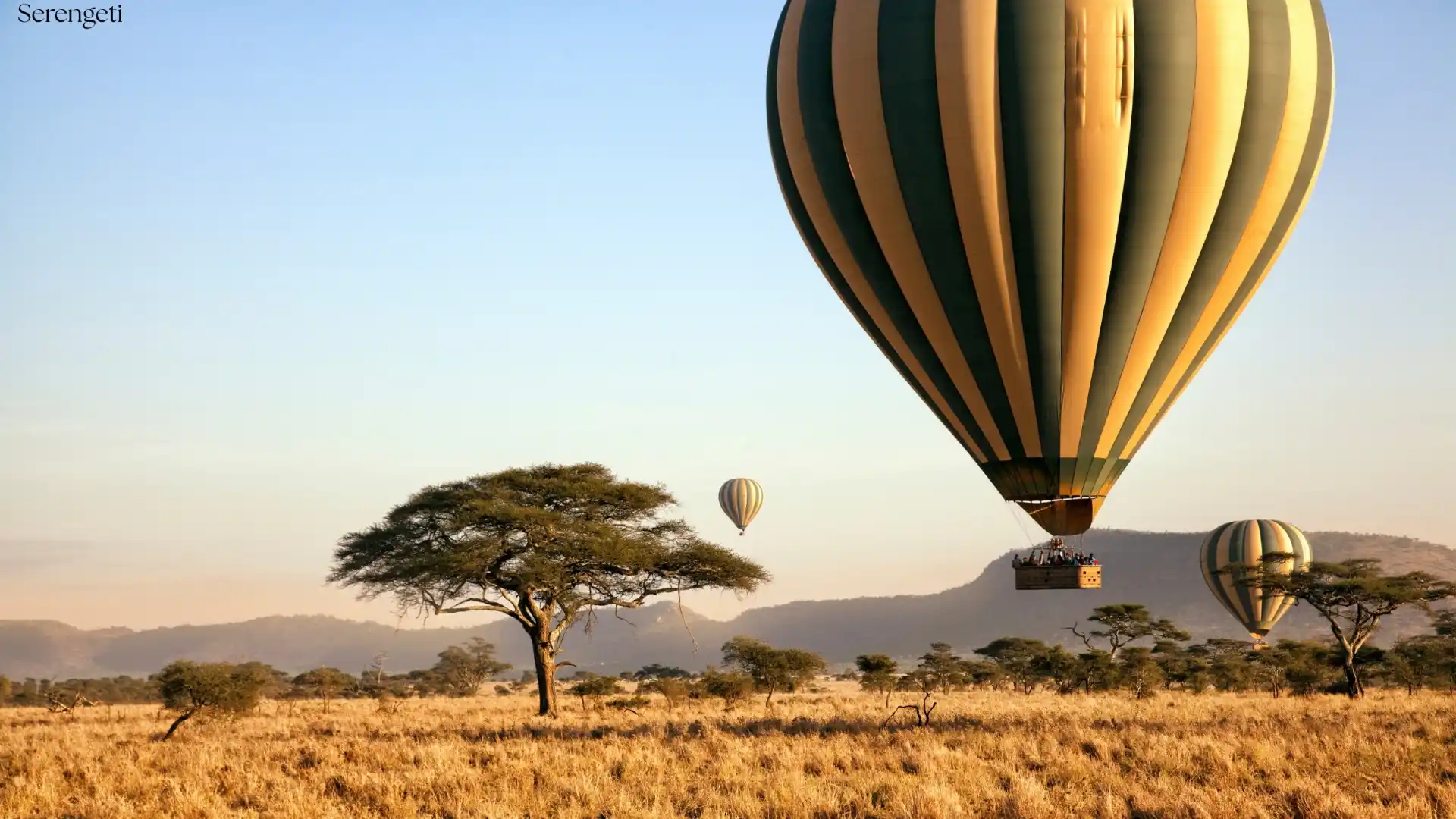
Tanzania's tourism operators are also winning international acclaim. Serengeti Balloon Safaris won World's Leading Balloon Ride Operator for the second consecutive year. Individual lodges and camps are earning spots on global 'best safari lodges' lists. Professional guides are winning international guiding competitions. Tanzania isn't just marketing itself well – it's delivering experiences that genuinely rival or exceed anywhere else in Africa.
We earned two prestigious international awards: Africa's Leading Destination and World's Leading Safari Destination – a testament to Tanzania's prominent position on the global stage.
Tanzania won both Africa's Leading Destination and World's Leading Safari Destination in 2025 – recognition from industry professionals worldwide.
✈️ What This Means for Safari Travelers
For travelers planning an African safari, Tanzania's success translates to tangible benefits:
**More Flight Options:** Increased tourism makes airlines add routes and frequencies. Expect more non-stop flights from Europe, North America, and Asia, with competitive pricing.
**Better Infrastructure:** Improved roads mean more comfortable transfers. Upgraded airports reduce travel hassles. Better telecommunications keep you connected (when you want to be).
**Higher Standards:** Competition and global recognition push operators to maintain excellent service. Lodges invest in upgrades, guides improve their skills, and overall professionalism increases.
**Conservation Success:** More visitors means more funding for parks, which means better wildlife protection, which means better wildlife viewing. It's a positive feedback loop.
**Value for Money:** Despite improvements, Tanzania often offers better value than competitors like Botswana or South Africa. You get world-class experiences without top-tier pricing.
**Diverse Experiences:** The new tourism products mean you can combine different activities – safari, beach, cultural, adventure – in one trip without leaving the country.
The timing is particularly favorable. Tanzania has hit a sweet spot: developed enough to offer excellent infrastructure and services, but not so developed that it feels commercialized or crowded. The Serengeti during low season still offers solitude impossible to find in Kenya's Maasai Mara. Southern parks like Ruaha and Selous (now Nyerere National Park) remain genuinely remote.
Why Book Tanzania Now
🦁Planning Your Tanzania Safari
Ready to experience the world's leading safari destination for yourself? Tanzania offers something for every traveler and budget:
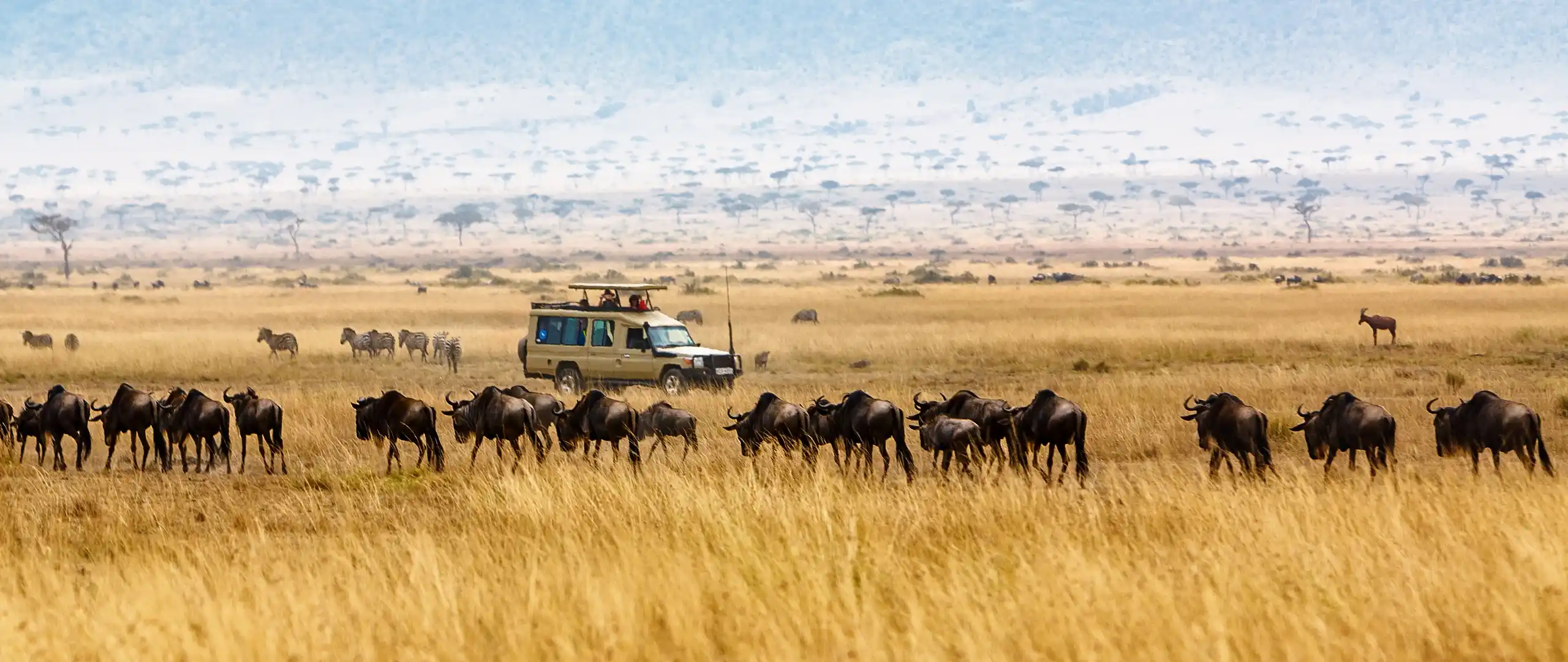
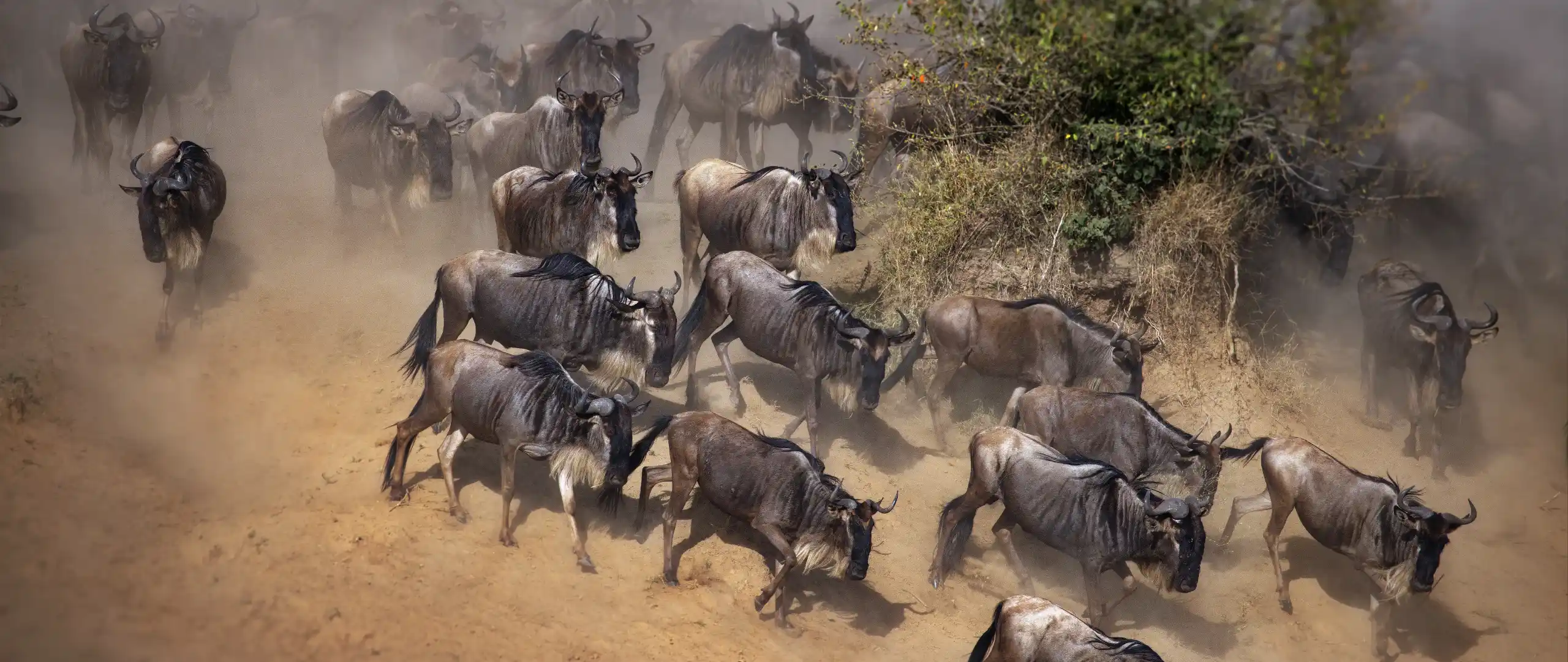
**The Classic Northern Circuit:** The Serengeti, Ngorongoro Crater, Tarangire, and Lake Manyara form the most famous safari circuit on Earth. Witness the Great Migration, see the Big Five, experience the world's highest concentration of predators. Our 7-Day Ultimate Tanzania Safari covers all major parks with expert guiding.
**Southern Tanzania:** For travelers seeking remoteness and authenticity, Ruaha National Park and Nyerere National Park (formerly Selous) offer vast wilderness with far fewer visitors. Walking safaris, boat safaris, and fly camping provide adventures impossible in the busier north.
**Western Tanzania:** Mahale Mountains and Gombe Stream offer chimpanzee trekking along Lake Tanganyika's shores – completely different ecosystems and experiences from the savanna parks.
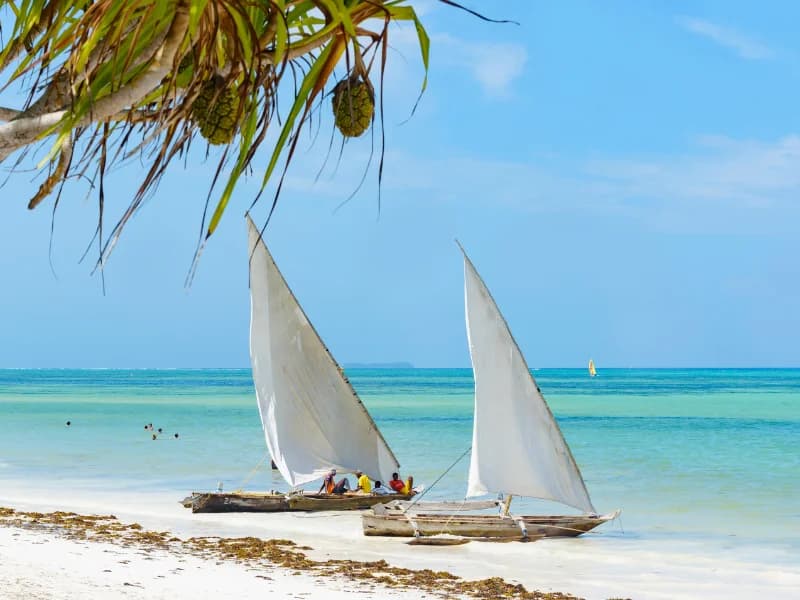
**Zanzibar Extensions:** After your safari, decompress on Zanzibar's white-sand beaches. Explore Stone Town's historic streets, dive pristine reefs, and savor Swahili cuisine. Most of our safaris include optional Zanzibar beach extensions.
**Kilimanjaro Climbs:** Combine wildlife with Africa's highest peak. Several of our itineraries integrate Kilimanjaro trekking with safari experiences.
Our 4-Day Tanzania Bush Safari provides a perfect introduction for first-timers or those with limited time. For comprehensive exploration, the 10-Day Great Migration Safari follows the wildebeest herds through their annual journey.
All our safaris include expert Tanzanian guides, quality accommodations, and full support. We work directly with local operators and communities, ensuring your tourism spending benefits the people who protect Tanzania's wildlife and wilderness.
💚A Historic Moment for Tanzania
Tanzania's $4.2 billion tourism milestone represents far more than economic success – it validates a vision of conservation-led development where wildlife and people can thrive together. The elephant population recovery, the international awards, the infrastructure investments, and the diversifying tourism products all point to a country that understands sustainable tourism isn't just an ideal, it's the path to long-term prosperity.
For travelers, this is the moment to visit. Tanzania has reached a level of development and service that rivals anywhere globally, yet retains the authenticity and wilderness that make African safaris transformative. The Serengeti isn't crowded, the southern parks remain remote, and wildlife populations are recovering rather than declining.
The numbers tell the story: 2.1 million visitors in 2025, but Tanzania's parks cover over 60,000 square kilometers. There's room for far more visitors before the experience becomes compromised. The government's commitment to sustainable tourism, the demonstrated conservation success, and the strengthening infrastructure all suggest Tanzania's best years lie ahead.
Whether you're planning your first African safari or your tenth, whether you prefer luxury lodges or authentic camping, whether you want classic game drives or adventurous walking safaris, Tanzania delivers. The world's leading safari destination isn't a marketing slogan – it's a recognition of what Tanzania has achieved and a promise of what you'll experience.
Tanzania's tourism success isn't growth at nature's expense – it's growth that funds and supports conservation, creating a sustainable future for wildlife and communities.
Start Planning Your Tanzania Adventure
Ready to experience the world's leading safari destination? Contact us today to start planning your Tanzania safari. Our expert team will help you design the perfect itinerary, whether you're chasing the Great Migration, seeking Big Five encounters, climbing Kilimanjaro, or combining safari with Zanzibar's beaches.
Browse our complete itineraries for inspiration, or reach out with your specific interests and dates. Tanzania's record-breaking tourism success means you'll be visiting at a time when infrastructure, services, and wildlife populations are at their peak. The question isn't whether to visit Tanzania – it's when you can start packing.
Original Source: This article is summarized from Daily News Tanzania.
Read the original article