Quick Takeaways (6 min read)
- ▸Lionesses 'fake' estrus cycles by mating with new males while nursing cubs
- ▸This deception prevents infanticide by convincing males to spare current cubs
- ▸GPS tracking reveals lionesses regularly 'pride-hop' to visit relatives
- ▸Female lions are social architects with sophisticated strategic intelligence
- ▸Findings have profound implications for lion conservation and corridor protection
When we think of lions, we often imagine a rigid social structure: dominant males ruling over loyal prides of females who rarely stray from their territory. It's a comforting narrative of order in the wild. Yet recent field research using GPS collars and intensive observation is revealing a far more complex and fascinating reality. Lionesses are employing sophisticated survival strategies that challenge our traditional understanding of the 'King of the Jungle' – and some of these tactics are nothing short of brilliant deception.
The Ultimate Mother's Deception: Faking Estrus
One of the most surprising behaviours observed in the wild is a female lion mating with a new male while she is still nursing her current cubs. To understand why requires confronting a harsh reality of lion society: when a new male coalition takes over a pride, they typically kill all existing cubs. It's a brutal strategy called infanticide, but from an evolutionary perspective, it makes cold sense – the new males eliminate competitors' offspring and bring females back into breeding condition sooner, ensuring their own genes survive.
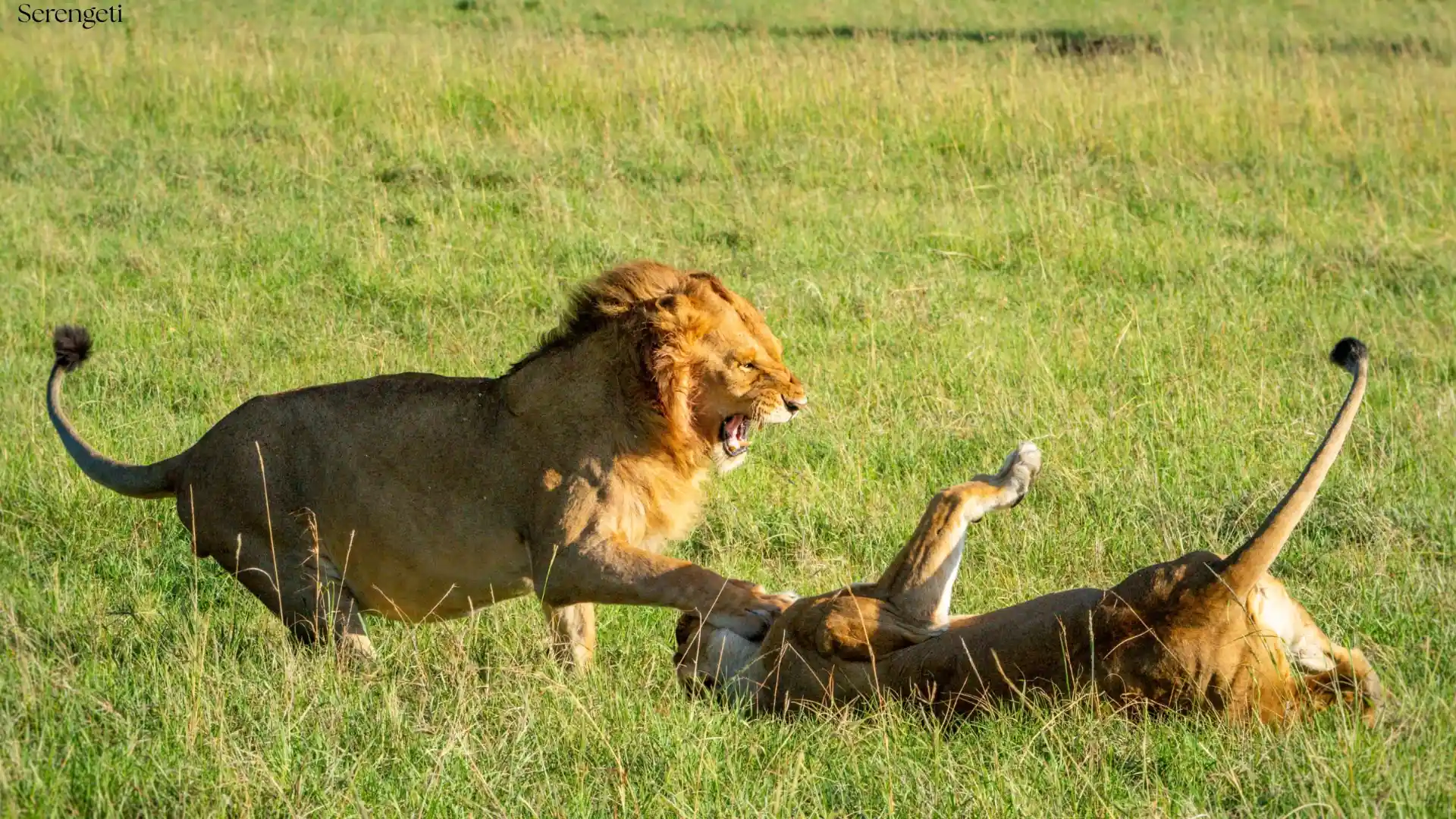
But lionesses have evolved a clever counter-strategy. Researchers have documented females 'faking' their estrus cycle to manipulate incoming males. A nursing mother will approach the new dominant male and engage in mating behaviour – even though she cannot conceive while lactating. The deception serves a critical purpose: by mating with the male, she convinces him that she is ready to bear his offspring. This creates an implicit negotiation – the lioness essentially tells the male to spare her current cubs because she can bear him new ones. It's a calculated gamble, trading future reproductive potential for the immediate survival of her existing offspring.
The strategy doesn't always work – infanticide remains common – but it improves the odds. Some males, convinced of future paternity, will tolerate cubs they didn't sire. Field researchers describe watching these interactions with fascination and tension, aware they're witnessing sophisticated behavioural chess playing out with life-or-death stakes.
Pride-Hopping: The Fluid Society
Traditional lion research suggested that female lions were deeply territorial, rarely leaving their natal pride. Researchers assumed pride boundaries were fixed and female membership stable across generations. GPS tracking technology has shattered this assumption. Lionesses move between prides far more frequently than previously believed, creating a dynamic social network that rivals human complexity.
In the Serengeti ecosystem, researchers fitted GPS collars on female lions before they began mating, allowing continuous monitoring throughout their pregnancies and beyond. The data revealed startling patterns: lionesses would leave their established pride and spend several days with a completely different pride kilometres away. These weren't brief excursions or territorial disputes – they were social visits.
The key appears to be kinship. When researchers analysed the genetic relationships between prides, they discovered that pride-hopping lionesses were visiting relatives – 'cousins' in human terms – in neighbouring groups. One tracked female, nicknamed 'Lightness' by researchers, moved regularly between the Kuremit and Nasari prides, maintaining relationships in both. This fluid movement suggests lion societies are less like isolated kingdoms and more like interconnected communities with recognised kinship networks spanning territories.
Why It Matters: Rethinking Lion Conservation
These discoveries have profound implications for lion conservation. If lionesses maintain relationships across pride boundaries and move between groups, then protecting isolated pride territories may be insufficient. Conservation must account for these social connections, ensuring wildlife corridors remain open for not just hunting and migration, but social networking. The genetic mixing facilitated by pride-hopping may also be crucial for population health, preventing inbreeding in fragmented habitats.
Moreover, understanding that lionesses employ sophisticated deception and negotiation strategies reveals cognitive complexity previously underestimated. These are not simple creatures following rigid instincts – they're intelligent social strategists adapting to circumstances. This knowledge should inform how we manage human-lion conflict, understand pride dynamics, and predict responses to environmental changes.
Behind the Research: Technology Meets Patience
These insights are the result of extraordinary dedication by field researchers and local guides who monitor lions daily. GPS collars provide location data, but human observation provides context – researchers must witness behaviours, identify individual animals, and interpret social interactions over years. Antennas pick up collar signals across the vast Serengeti landscape, while cameras capture moments of mating, conflict, and movement.
The work is demanding and sometimes heartbreaking – researchers become attached to individual lions they've known for years, celebrating births and mourning deaths. Yet it's this long-term commitment that reveals patterns invisible in short-term studies. As one researcher noted: 'Everything we thought was impossible is now becoming possible.' What was once dismissed as impossible – females leaving prides, mating deception, flexible social structures – is now documented fact.
Witnessing Lion Behaviour on Safari
For safari visitors, these discoveries add new depth to lion encounters. When you watch a female with cubs approach a male, you may be witnessing not mating, but manipulation – a mother protecting her offspring through deception. When prides interact at territorial boundaries, you might be seeing not aggression, but family reunions. The Serengeti and Maasai Mara ecosystems where much of this research occurs remain among the best places on Earth to observe these behaviours firsthand.
Understanding the complexity of lion society transforms wildlife viewing from passive observation to privileged insight. You're not just seeing 'lions' – you're watching individual animals with personalities, relationships, and strategies navigating the challenges of survival. That lioness resting under an acacia tree isn't simply resting; she's a mother, a sister, a negotiator, and potentially a deceiver whose behaviours represent millions of years of evolutionary problem-solving.
The Bigger Picture
The discoveries about lioness behaviour reflect a broader shift in wildlife science. For decades, researchers focused on dominant males, assuming females were passive participants in lion society. Modern research reveals the opposite: females are the social architects, making strategic decisions that shape pride structure and survival. Their intelligence, adaptability, and social complexity match or exceed that of males.
This research also demonstrates why long-term field studies matter. Quick surveys and short-term projects cannot reveal the subtle, sophisticated behaviours that emerge only through years of patient observation. As technology improves and research continues, we will undoubtedly discover even more remarkable strategies these magnificent predators employ to survive in Africa's challenging landscapes. What other secrets are lions keeping? The savanna still holds many answers.
Original Source: This article is summarized from Serengeti Lion Research.
Read the original article